WhatsApp vs Messenger: Maximizing ROI for Thamel Tourism Businesses
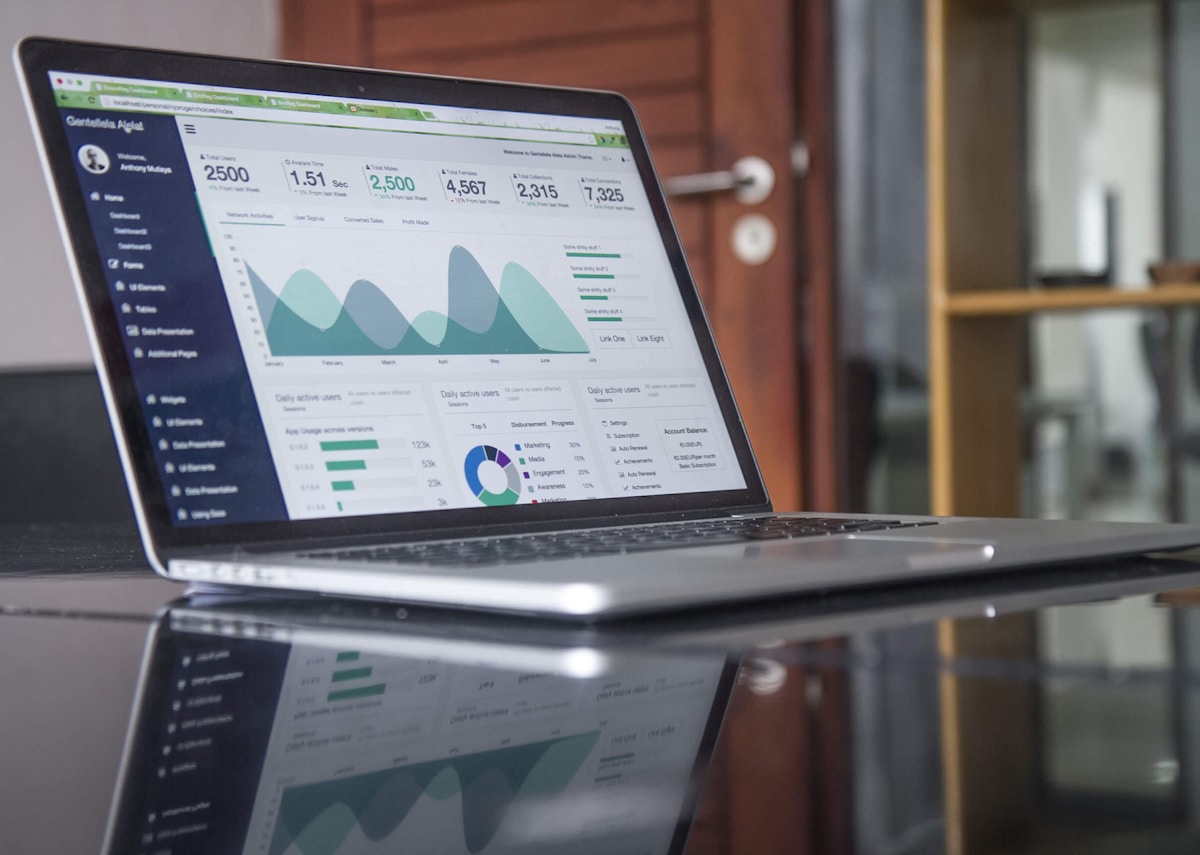
WhatsApp vs Messenger ROI for Thamel tourism involves comparing lead generation, conversion rates, and customer satisfaction. WhatsApp excels in direct, personal service, while Messenger offers broader reach via Facebook. Strategic use of both maximizes returns for Nepal's tourism businesses.
Understanding the Digital Landscape for Thamel Tourism
The vibrant heart of Nepal's tourism, Thamel, is experiencing a digital transformation. As businesses in this bustling district of Kathmandu strive to attract and retain international and domestic travelers, understanding the nuances of digital communication channels is paramount. Two dominant platforms, WhatsApp and Facebook Messenger, offer distinct advantages for customer engagement and marketing. This article delves into a comparative analysis, focusing on which platform delivers a superior WhatsApp vs Messenger ROI Thamel tourism businesses can leverage for growth.
For years, Thamel's businesses have relied on traditional methods, but the digital age demands a more proactive approach. Travelers, armed with smartphones, are constantly connected, seeking information, booking services, and sharing experiences in real-time. This shift necessitates a strategic evaluation of communication tools. While both WhatsApp and Messenger are immensely popular, their features, user base, and integration capabilities present different opportunities for measuring return on investment (ROI).
WhatsApp: The Direct Line to Travelers
WhatsApp, with its end-to-end encryption and focus on direct messaging, has become an indispensable tool for many businesses worldwide, and Nepal is no exception. For Thamel tourism operators, including hotels, trekking agencies, and souvenir shops, WhatsApp offers a direct, personal, and efficient way to communicate with potential and existing customers.
Features and Benefits for Thamel Businesses
- Direct Customer Engagement: WhatsApp allows for one-on-one conversations, fostering a sense of personal connection. This is crucial for building trust with tourists who are often far from home. Businesses can answer specific queries about tours, accommodation, or local attractions instantly.
- Rich Media Sharing: Share photos of hotel rooms, trek routes, or product catalogs directly. This visual communication is far more engaging than text alone.
- WhatsApp Business App: This free app provides essential business tools like automated greetings, away messages, quick replies, and labels to organize chats. This streamlines customer service, especially during peak tourist seasons.
- Broadcast Lists: While not for mass unsolicited marketing (which can violate terms of service), broadcast lists can be used to send important updates or special offers to pre-approved customer lists (e.g., past guests).
- Cost-Effectiveness: Sending messages via WhatsApp utilizes internet data, which is significantly cheaper than traditional SMS, especially for international travelers using local SIM cards or Wi-Fi. For instance, a local Ncell or Nepal Telecom data pack is far more economical than international SMS rates.
Calculating WhatsApp ROI for Thamel Tourism
Measuring the WhatsApp vs Messenger ROI Thamel tourism can be achieved by tracking several key metrics:
- Inquiry Conversion Rate: Monitor how many WhatsApp inquiries lead to bookings or sales. This is a direct measure of its effectiveness in driving revenue.
- Customer Satisfaction: Track feedback and reviews from customers who interacted via WhatsApp. Faster response times and personalized service often lead to higher satisfaction.
- Reduced Operational Costs: Compare the cost of customer service interactions via WhatsApp versus phone calls or traditional email. The savings on data vs. traditional communication can be significant.
- Repeat Business: Encourage returning customers to stay in touch via WhatsApp for future bookings or recommendations.
For example, a boutique hotel in Thamel could offer a discount for direct bookings made through WhatsApp, tracking the revenue generated against the minimal data costs incurred. The ease of sending a quick query and receiving a prompt, personalized response significantly enhances the booking experience for a tourist planning their trip to Nepal.
Facebook Messenger: Reaching a Broader Audience
Facebook Messenger, integrated within the massive Facebook ecosystem, offers a different set of advantages. With over 2.9 billion monthly active users globally, Facebook provides an unparalleled reach, making Messenger a powerful tool for businesses looking to expand their visibility and engage with a wider audience.
Features and Benefits for Thamel Businesses
- Extensive User Base: Many tourists, even before arriving in Nepal, use Facebook to research destinations and connect with businesses.
- Facebook Page Integration: Messenger is seamlessly integrated with Facebook Pages. A 'Send Message' button on a business's Facebook Page directly links to Messenger, making it easy for potential customers to initiate contact.
- Chatbots and Automation: Messenger supports sophisticated chatbots that can handle frequently asked questions, qualify leads, and even guide users through booking processes 24/7. This is invaluable for tourism businesses operating across different time zones.
- Targeted Advertising: Facebook's powerful advertising platform allows businesses to run targeted ad campaigns that direct users to Messenger conversations. This can be highly effective for promoting special packages or last-minute deals to specific demographics interested in Nepal.
- Rich Content and Integrations: Messenger allows sharing of various media types, and can integrate with other services, potentially streamlining booking or payment processes (though direct payment integrations within Nepal might still be developing compared to global markets).
Calculating Messenger ROI for Thamel Tourism
To assess the WhatsApp vs Messenger ROI Thamel tourism from a Messenger perspective:
- Lead Generation: Track the number of leads generated through Messenger conversations initiated via Facebook ads or the 'Send Message' button.
- Cost Per Lead (CPL): Calculate the cost of running Messenger ad campaigns divided by the number of leads generated.
- Website Traffic and Conversions: Measure how many Messenger conversations lead to website visits or direct bookings through linked landing pages.
- Brand Awareness and Engagement: Monitor metrics like message response rates, comment engagement on posts that lead to Messenger inquiries, and overall reach of Messenger-focused campaigns.
A trekking company in Pokhara, for instance, could run a Facebook ad campaign targeting adventure enthusiasts interested in Nepal, with the call-to-action directing them to Messenger. A chatbot could then gather their trekking preferences and provide initial itinerary suggestions, with a human agent following up for detailed planning. The ROI here is measured by the cost of the ad campaign versus the value of the bookings secured.
Direct Comparison: WhatsApp vs. Messenger for Thamel Tourism ROI
When evaluating WhatsApp vs Messenger ROI Thamel tourism, several factors come into play:
User Demographics and Behavior
- WhatsApp: Generally preferred for direct, personal communication. Users often expect quicker, more intimate interactions. It's popular among a broad age range and is widely used by locals and tourists alike for everyday communication.
- Messenger: Leverages the vast Facebook user base. It's often used for initial discovery, research, and interacting with brands discovered through the platform. Younger demographics might be more inclined to use Messenger for initial brand contact.
Communication Style
- WhatsApp: Favors a more personal, one-on-one conversational style. Ideal for customer service, post-booking support, and building relationships.
- Messenger: Can handle both personal interactions and more automated, scalable customer journeys via chatbots. Suitable for initial inquiries, lead nurturing, and broader customer engagement campaigns.
Integration and Automation
- WhatsApp: The WhatsApp Business API offers robust integration capabilities but requires more technical setup and investment. Automation is possible but often less sophisticated out-of-the-box compared to Messenger's chatbot frameworks.
- Messenger: Offers extensive built-in tools for chatbots and integrations with a vast array of third-party applications, making automation more accessible for businesses of all sizes.
Cost Structure
- WhatsApp: The app is free. Using the API incurs costs based on conversation volume, which can be managed. Data costs for users are minimal.
- Messenger: Free to use. The primary cost is associated with running targeted advertising campaigns to drive conversations.
Case Studies: Thamel Businesses in Action
Hotel Example (Kathmandu)
A medium-sized hotel in Thamel wants to increase direct bookings and reduce reliance on OTAs (Online Travel Agencies) which charge high commissions. They decide to focus on WhatsApp for personalized service.
- Strategy: Prominently display their WhatsApp number on their website, social media, and booking confirmation emails. Train staff to respond quickly to inquiries about room availability, amenities, and local attractions. Offer a small discount (e.g., 5% off) for direct bookings made via WhatsApp.
- Metrics Tracked: Number of WhatsApp inquiries, conversion rate of inquiries to bookings, average booking value, customer feedback on service speed and helpfulness.
- Potential ROI: If they receive 100 inquiries per month, and 20 convert to bookings averaging NPR 10,000 each, that's NPR 200,000 in revenue. If the cost of data and staff time is minimal (say, NPR 5,000), the ROI is substantial, especially when compared to OTA commissions which could be 15-25%.
Trekking Agency Example (Pokhara)
A popular trekking agency in Pokhara aims to generate more leads for specialized treks and manage customer expectations effectively.
- Strategy: Utilize Facebook Messenger with a chatbot. Run targeted Facebook ads showcasing popular treks (e.g., Annapurna Base Camp, Poon Hill) with a 'Send Message' CTA. The chatbot answers FAQs about difficulty, duration, and inclusions. It collects basic contact information and preferences, then passes qualified leads to a human agent for detailed itinerary planning and booking.
- Metrics Tracked: Cost per lead from Facebook ads, number of leads qualified by the chatbot, conversion rate of qualified leads to bookings, customer acquisition cost (CAC).
- Potential ROI: If an ad campaign costs NPR 20,000 and generates 50 qualified leads, with a 30% conversion rate to bookings averaging NPR 50,000 each, that's 15 bookings * NPR 50,000 = NPR 750,000 revenue. The ROI is calculated against the ad spend and the cost of managing the Messenger leads.
Souvenir Shop Example (Kathmandu)
A handicraft shop in Thamel wants to engage tourists both before and during their visit, offering custom orders and pre-arrival information.
- Strategy: Use both platforms. WhatsApp for direct communication with tourists who have already shown interest or are in Nepal. Messenger for broader reach, responding to inquiries from their Facebook Page, and potentially running small ad campaigns showcasing new arrivals. They could integrate a link to their product catalog accessible via WhatsApp.
- Metrics Tracked: Number of direct sales via WhatsApp, number of inquiries via Messenger leading to in-store visits or online purchases, customer engagement on Facebook posts.
- Potential ROI: Measuring ROI might be more complex, involving tracking mentions of 'saw on Facebook' or 'contacted via WhatsApp' at the point of sale. However, increased visibility and personalized service can lead to higher customer spending and positive word-of-mouth referrals.
Maximizing ROI: Best Practices for Thamel Tourism
To truly maximize WhatsApp vs Messenger ROI Thamel tourism businesses should adopt a hybrid approach and follow best practices:
- Define Your Goal: Are you aiming for direct bookings, lead generation, customer support, or brand building? Choose the platform that best aligns with your primary objective.
- Know Your Audience: Understand where your target travelers are most active and how they prefer to communicate.
- Seamless Integration: Ensure your chosen platform(s) are easily accessible from your website, social media profiles, and marketing materials.
- Staff Training: Equip your team with the skills to handle inquiries efficiently and professionally on both platforms. For WhatsApp, this means prompt, personalized responses. For Messenger, it might involve managing chatbot interactions and escalating complex queries.
- Content is Key: Use high-quality images, videos, and clear, concise text to showcase your offerings.
- Measure and Analyze: Regularly track your key metrics. Use analytics tools provided by Facebook and monitor conversation outcomes in WhatsApp. Adjust your strategy based on performance data.
- Leverage Local Payment Gateways: While not directly part of the communication platform, ensure that once a booking is made via WhatsApp or Messenger, the payment process is smooth. Integrating with Nepali payment systems like eSewa or Khalti can significantly improve the customer experience and conversion rates.
- Stay Compliant: Be aware of the terms of service for both platforms, especially regarding unsolicited marketing messages. For WhatsApp, focus on inbound inquiries and opt-in communication.
The Future of Digital Communication in Thamel Tourism
As digital adoption grows in Nepal, platforms like WhatsApp and Facebook Messenger will continue to evolve. The key for Thamel tourism businesses lies in staying agile, understanding the strengths of each platform, and strategically deploying them to enhance customer experience and drive measurable business results. By focusing on delivering value and building relationships, businesses can achieve a significant and sustainable WhatsApp vs Messenger ROI Thamel tourism sector.
The increasing reliance on smartphones by travelers means that businesses failing to optimize their digital communication risk falling behind. Investing time and resources into mastering these platforms isn't just an option; it's a necessity for thriving in the competitive landscape of Nepal's tourism industry.
Frequently Asked Questions
01Which platform is more popular among tourists visiting Thamel, WhatsApp or Messenger?
Both platforms are widely used by international tourists. WhatsApp is often preferred for direct, immediate communication once they have a point of contact, while Messenger is frequently used for initial research and discovery via Facebook.
02Can I use WhatsApp for mass marketing to potential tourists in Nepal?
No, WhatsApp's terms of service prohibit unsolicited mass marketing. It's designed for direct conversations. You can use broadcast lists for existing customers who have opted-in, but aggressive mass messaging is not allowed and can lead to account suspension.
03How can a small guesthouse in Thamel calculate ROI for WhatsApp vs Messenger?
For WhatsApp, track how many direct booking inquiries turn into actual reservations. For Messenger, track leads generated from Facebook ads that convert. Compare the revenue from these bookings against the minimal costs (data, staff time) for WhatsApp, and ad spend for Messenger.
04Are there extra costs associated with using WhatsApp Business API for larger tour operators?
Yes, the WhatsApp Business API typically involves costs based on conversation initiation (whether by the business or the customer) after a 24-hour window. Pricing is tiered and can vary, so it's essential to check the latest Meta Business pricing.
05What kind of content works best for Thamel tourism businesses on Messenger ads?
High-quality visuals like stunning photos of trekking routes, cultural sites, or comfortable hotel rooms are effective. Short, engaging videos showcasing experiences, and clear calls-to-action directing users to message are also highly recommended.
06How can I integrate local payment methods like eSewa or Khalti with Messenger/WhatsApp for bookings?
Direct integration might require custom development or using third-party tools. Often, businesses share payment links via chat after the booking details are finalized, or guide customers to a website where these payment options are available.
07Is it better to have a dedicated team member manage WhatsApp and Messenger inquiries for a hotel?
For hotels, especially during peak season, having dedicated staff or a customer service team trained on both platforms is highly beneficial. Prompt and accurate responses significantly impact guest satisfaction and booking decisions.
08What are the NTA regulations regarding business communication via messaging apps in Nepal?
While NTA primarily regulates telecom operators, businesses must adhere to platform-specific terms of service (like Meta's) and general data protection principles. Avoid spamming and ensure user consent for communication.
09Can chatbots on Messenger handle complex trek booking inquiries for a Pokhara agency?
Basic FAQs about treks (duration, difficulty, inclusions) can be handled by chatbots. However, for personalized itinerary planning and custom requests, it's best to have a human agent take over the conversation after the chatbot qualifies the lead.
10Which platform offers better analytics for tracking ROI in Thamel tourism?
Facebook Messenger offers robust analytics through Meta Business Suite, allowing detailed tracking of ad performance, lead generation, and conversation metrics. WhatsApp Business API provides some analytics, but often requires integration with CRM systems for comprehensive ROI tracking.