Unlock Product Launch Success with Email Segmentation: A Nepali Business Playbook
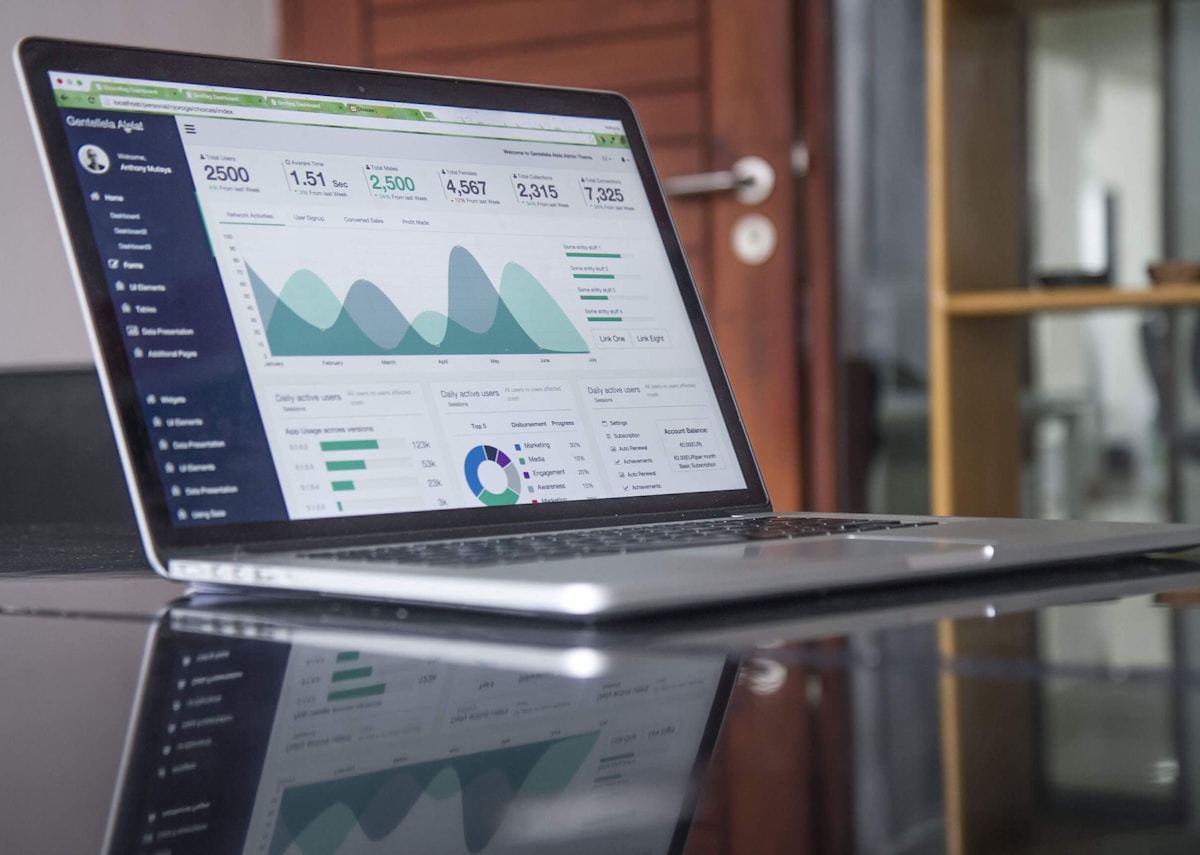
Email segmentation for product launches involves dividing your subscriber list into smaller groups based on demographics, behavior, or interests. This allows you to send highly relevant messages, increasing engagement and driving sales for new products in Nepal.
Why Email Segmentation is Crucial for Product Launches in Nepal
In the dynamic landscape of Nepal marketing, a successful product launch hinges on precision. Simply blasting a generic email to your entire subscriber list is a strategy of the past. Today, businesses in Nepal, from bustling Kathmandu to scenic Pokhara, need a more sophisticated approach. This is where email segmentation comes into play. By dividing your email list into smaller, targeted groups based on specific criteria, you can deliver highly relevant messages that resonate with each segment. This personalized approach significantly increases engagement rates, drives conversions, and ultimately fuels a substantial sales boost for your new product.
Consider a hypothetical scenario: a new Nepali e-commerce platform launching a line of organic skincare products. Sending the same email about this launch to a customer who previously bought heavy machinery or another who only engages with your tech gadget deals would be inefficient and likely ignored. Instead, segmenting your list allows you to target customers interested in beauty, wellness, or organic products. This targeted communication ensures your message reaches the right eyes, increasing the likelihood of interest and purchase. For Nepali businesses, understanding and implementing effective email segmentation is no longer a luxury; it's a necessity for thriving in a competitive market.
Understanding Your Audience: The Foundation of Email Segmentation
Before you can segment, you must understand who you are talking to. This involves gathering and analyzing data about your subscribers. For Nepali businesses, this data can come from various sources:
Demographic Segmentation
This involves dividing your audience based on basic characteristics:
- Age: Are you targeting Gen Z for a trendy new app, or older demographics for a financial service?
- Location: Tailor messages for specific regions in Nepal. A winter clothing launch might focus on Kathmandu and higher-altitude areas, while a summer product could target Terai regions.
- Gender: Relevant for fashion, beauty, or specific lifestyle products.
- Income Level: Crucial for pricing and product positioning.
Behavioral Segmentation
This is where email segmentation truly shines for a product launch. It focuses on how users interact with your brand:
- Purchase History: Segment based on past purchases. Customers who bought similar products are prime candidates. For instance, a customer who previously bought a high-end smartphone might be interested in a premium accessory launch.
- Website Activity: Track pages visited, products viewed, and abandoned carts. Someone who repeatedly viewed a specific product category is a strong lead.
- Email Engagement: Who opens your emails? Who clicks links? Segment based on engagement levels. Highly engaged users are more likely to respond to a launch announcement.
- Customer Lifetime Value (CLV): Prioritize high-value customers with exclusive early access or special offers.
Psychographic Segmentation
This delves into your audience's lifestyle, values, and interests:
- Interests: Do they follow your content on travel, technology, or food?
- Values: Are they eco-conscious? Do they value convenience?
- Lifestyle: Are they students, professionals, homemakers?
Crafting Targeted Launch Campaigns with Email Segmentation
Once you have your segments, you can craft highly effective product launch campaigns. Here's how email segmentation can drive a sales boost:
Segment 1: Past Purchasers of Similar Products
Targeting: Customers who have bought items in the same or related categories.
Message: “You loved our [Previous Product Name]. Get ready for its perfect companion! Introducing [New Product Name] – designed to enhance your experience. Early bird discount for our loyal customers!”
Why it works: It leverages existing trust and proven interest. For a Nepali electronics store launching a new sound system, targeting customers who bought high-end TVs or previous audio equipment makes perfect sense.
Segment 2: Highly Engaged Subscribers
Targeting: Those who consistently open and click your emails.
Message: “Be the first to experience [New Product Name]! As one of our most engaged subscribers, we’re giving you exclusive VIP access. Click here to learn more and secure yours before the official launch.”
Why it works: It rewards loyalty and creates a sense of exclusivity, driving early adoption.
Segment 3: Abandoned Cart Users (for related products)
Targeting: Users who added similar items to their cart but didn't complete the purchase.
Message: “Still thinking about [Related Product]? We’ve just launched something even better that complements it perfectly: [New Product Name]. See how it elevates your [Related Product] experience. Special launch offer inside!”
Why it works: It addresses a known point of interest and offers a solution or upgrade.
Segment 4: New Subscribers / Less Engaged Users
Targeting: Recent sign-ups or those who haven’t interacted much.
Message: “Welcome to the [Your Brand] family! Discover our latest innovation, [New Product Name]. It’s designed to [solve problem/provide benefit]. Learn how it can change your [relevant area of life]. Special introductory price available now!”
Why it works: It provides a clear introduction to the new product and a compelling reason to engage.
Leveraging Nepal-Specific Platforms and Data for Email Segmentation
Effective email segmentation in Nepal requires understanding the local digital ecosystem. Your email marketing platform should integrate with or provide insights relevant to Nepali consumers.
Payment Gateway Integration
Data from payment gateways like eSewa and Khalti can be invaluable. If a customer consistently uses Khalti for smaller, lifestyle purchases, they might be receptive to a launch of affordable fashion items. Conversely, a user opting for bank transfers for larger electronics suggests a different segment.
Mobile Network Data (with consent)
While direct access to mobile network data (like Nepal Telecom or Ncell) is restricted, understanding general trends can inform segmentation. For example, data usage patterns might correlate with interest in digital products or services. SMS marketing services, often used in conjunction with email, can also provide behavioral insights.
Local Event and Holiday Relevance
Segment your list based on geographical location and cultural relevance. A Dashain clothing launch email should target segments in Nepal during the festive season, potentially with different messaging for urban versus rural audiences. An email about travel gear might be more relevant to subscribers in Kathmandu or Pokhara leading up to trekking seasons.
Pricing Sensitivity in NPR
Nepali consumers are often price-sensitive. Segmenting based on past purchase price points is crucial. Offer premium pricing and exclusive bundles to customers who have historically purchased high-value items. For budget-conscious segments, focus on value-for-money propositions and introductory discounts. For example, a new smartphone launch might offer a base model at NPR 25,000 for a general segment, but a premium version with added benefits at NPR 50,000 targeted at high-CLV customers.
Tools and Techniques for Email Segmentation in Nepal
To implement effective email segmentation, you need the right tools. NepalFillings.com offers a robust platform designed for the Nepali market.
Utilizing Your Email Marketing Platform
Most modern Email Service Providers (ESPs) offer built-in segmentation tools. At NepalFillings, you can create segments based on:
- Contact Fields: Custom fields like 'Interest Category', 'Location', 'Customer Type' (e.g., B2B, B2C).
- Tags: Assign tags to contacts based on their interactions or profile information.
- Purchase Data: Integrate with your e-commerce platform to segment based on purchase history.
- Engagement Metrics: Automatically segment users based on open rates, click-through rates, and last activity date.
A/B Testing Your Segments
Once you have your segments, A/B test your launch emails. Send slightly different versions to sub-segments to see which headlines, calls-to-action (CTAs), or offers perform best. This iterative process, powered by data from your Nepal marketing efforts, continuously refines your strategy.
Automation for Product Launches
Automate your launch sequences. For instance:
- Pre-launch Teaser: Send to interested segments a week before.
- Launch Announcement: Send to all relevant segments on launch day, with tailored offers.
- Follow-up Email: Send a reminder to non-openers or non-clickers a few days later.
- Post-Purchase Email: Thank customers and suggest related products.
This automation ensures timely communication and maximizes touchpoints without manual effort, crucial for businesses in Kathmandu managing busy operations.
Case Studies: Email Segmentation Success in Nepal
Let's look at how different Nepali businesses could leverage email segmentation for a product launch:
Case Study 1: A Fashion Boutique in Kathmandu
Product: New collection of traditional Nepali attire.
Segmentation Strategy:
- Segment A (Loyal Customers): Those who have purchased traditional wear before. Offer early access and a 10% discount.
- Segment B (Interested Subscribers): Those who clicked on previous emails about traditional clothing or visited related pages. Offer a sneak peek and a free accessory with purchase.
- Segment C (General List): Announce the launch with high-quality imagery and a clear CTA.
Expected Outcome: Higher conversion rates from engaged segments, positive buzz for the launch, and a significant sales boost.
Case Study 2: A Tech Gadget Retailer in Pokhara
Product: Launch of a new, portable projector.
Segmentation Strategy:
- Segment A (Previous Projector/AV Buyers): Offer an exclusive bundle with a screen at a special price (e.g., NPR 40,000 for the projector + screen).
- Segment B (Students/Young Professionals): Target with messaging focused on entertainment, presentations, and portability. Offer a student discount (e.g., 5% off).
- Segment C (Business Owners): Highlight its utility for client presentations and team meetings. Offer corporate bulk discounts.
Expected Outcome: Reaching diverse user needs effectively, maximizing sales across different customer profiles.
Case Study 3: A Food Delivery Service in Biratnagar
Product: Launch of a new 'Healthy Meals' category.
Segmentation Strategy:
- Segment A (Health-conscious subscribers): Those who have ordered salads, vegan options, or visited the health blog. Offer a free healthy dessert with the first order.
- Segment B (Fitness Enthusiasts): Partner with local gyms or fitness influencers. Offer a discount code distributed through these channels.
- Segment C (Office Workers): Promote as a convenient and healthy lunch option. Offer a lunch combo deal.
Expected Outcome: Driving adoption of the new category by aligning with existing dietary preferences and lifestyle choices.
The Future of Email Segmentation in Nepal
As digital adoption grows in Nepal, the sophistication of email segmentation will only increase. Expect more advanced personalization powered by AI, integration with more local platforms, and a greater emphasis on hyper-targeted campaigns. Businesses that embrace email segmentation today are positioning themselves for sustained growth and a significant sales boost in the future of Nepal marketing. Don't let your product launch get lost in the noise; segment your audience and speak directly to their needs.
Ready to revolutionize your product launch strategies? Explore the advanced features of NepalFillings.com to implement powerful email segmentation tailored for the Nepali market. Visit our blog for more insights!
Frequently Asked Questions
01What is email segmentation in the context of Nepal marketing?
Email segmentation in Nepal marketing means dividing your email list into smaller, distinct groups based on shared characteristics like location (e.g., Kathmandu vs. Pokhara), past purchase behavior, or engagement level. This allows for more personalized and relevant communication, increasing the effectiveness of campaigns like product launches.
02How can email segmentation help boost sales for a product launch in Nepal?
By segmenting your list, you can send highly targeted messages about your new product to the most receptive audiences. For example, promoting a tech gadget to tech enthusiasts or a traditional wear item to those who previously bought similar clothing ensures your message resonates, leading to higher conversion rates and a significant sales boost.
03What kind of data is most useful for email segmentation in Nepal?
Useful data includes customer demographics (age, location within Nepal), purchase history (what they bought, how much they spent in NPR), website activity (pages viewed, cart abandonment), and email engagement metrics (opens, clicks). Integrating data from local payment gateways like eSewa or Khalti can also provide valuable insights.
04Can I use email segmentation for small businesses in Nepal?
Absolutely! Even small businesses in Nepal can benefit immensely. Start with basic segmentation like location or past purchase type. As your list grows, you can implement more sophisticated segmentation strategies using tools available on platforms like NepalFillings.com to drive better results.
05How do I segment customers who use mobile money like Khalti or eSewa?
While direct integration might be limited, you can infer preferences. If a customer frequently uses Khalti for smaller transactions, they might be price-sensitive. If they use eSewa for larger purchases, they might be open to premium products. You can tag customers based on inferred preferences or ask directly in surveys.
06What are the key regulations for email marketing in Nepal that affect segmentation?
Nepal has regulations, often overseen by bodies like the Nepal Telecommunications Authority (NTA), that focus on data privacy and preventing spam. Ensure you have explicit consent (opt-in) for marketing emails. Segmentation itself is not regulated, but how you collect and use data must comply with privacy laws.
07How can I segment based on location within Nepal for a product launch?
Segment your list by city (Kathmandu, Pokhara, Biratnagar) or region. This is crucial for localized offers, delivery timelines, or products relevant to specific climates (e.g., winter wear for hilly regions). You can collect this data during signup or through purchase information.
08What's the difference between behavioral and demographic segmentation for a product launch?
Demographic segmentation uses static attributes like age and location. Behavioral segmentation focuses on actions: purchase history, website visits, and email engagement. For a product launch, behavioral segmentation is often more powerful as it directly indicates interest and intent, leading to higher conversion rates.
09How often should I update my email segments for Nepal marketing?
It's best to review and update your segments regularly, perhaps quarterly or semi-annually. Customer behavior and preferences change. For a product launch, ensure your segments are up-to-date just before the campaign to maximize relevance and effectiveness.
10Can email segmentation help with launching services, not just products, in Nepal?
Yes, absolutely. Segmentation is equally effective for service launches. You can segment based on past service usage, industry (for B2B services), or expressed interest in specific solutions. Tailoring your launch message to the specific needs and pain points of each segment will drive better adoption.