The Rise of Messenger Bots in Nepal's Digital Landscape
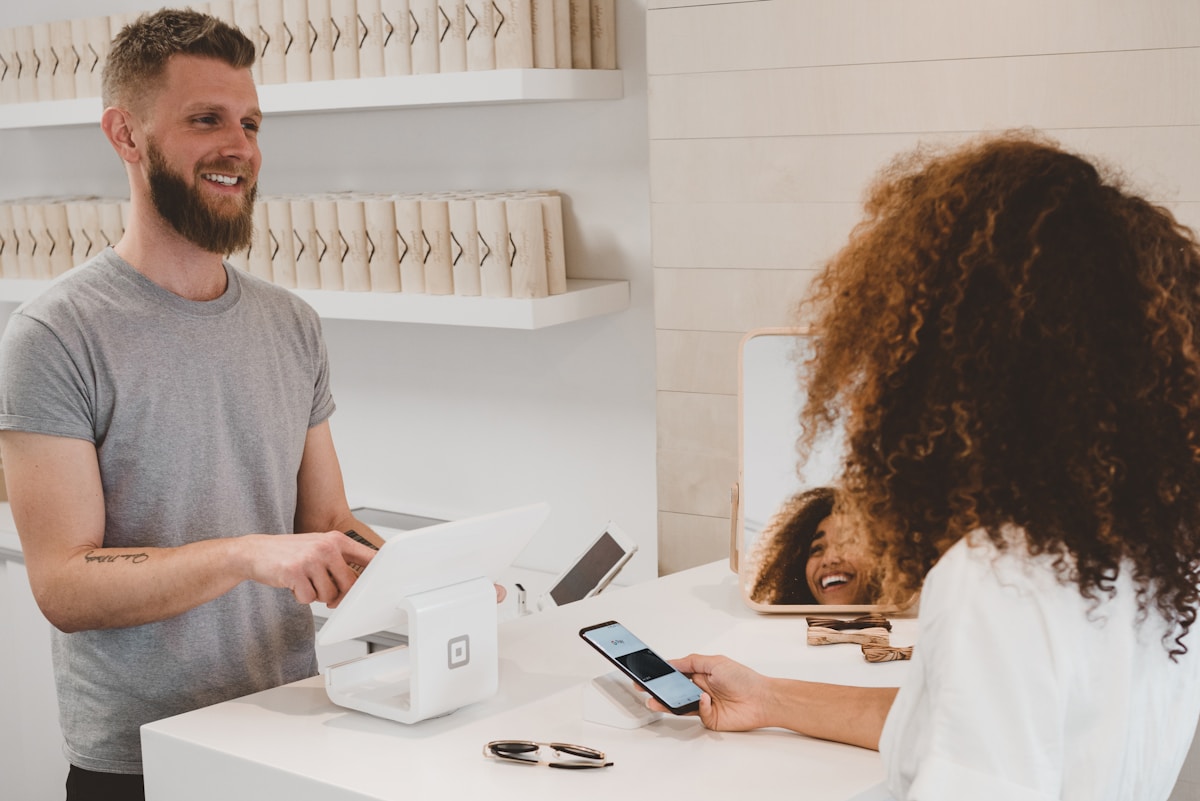
Messenger bots are automated conversational programs, primarily on platforms like Facebook Messenger, that handle customer inquiries, provide information, and automate tasks. For Nepali SMEs, they offer 24/7 customer service, cost savings, and lead generation.
The Rise of Messenger Bots in Nepal's Digital Landscape
In today's rapidly evolving digital marketplace, Nepali Small and Medium-sized Enterprises (SMEs) are constantly seeking innovative ways to enhance their customer engagement and operational efficiency. One of the most transformative technologies emerging is the use of messenger bots. These AI-powered conversational agents, primarily integrated with platforms like Facebook Messenger, are no longer a futuristic concept but a present-day necessity for businesses aiming to stay competitive. For Nepali SMEs, embracing messenger bots for customer service offers a powerful avenue for automation, leading to improved customer satisfaction and significant cost savings. Imagine a small boutique in Thamel, Kathmandu, being able to instantly answer customer queries about product availability and store hours, even outside business hours, without human intervention. This is the power of messenger bots.
Why Messenger Bots are Crucial for Nepali SMEs
Nepal's digital adoption is accelerating. According to recent reports, internet penetration in Nepal has surpassed 65%, with a significant portion of this access being mobile-based. Facebook, in particular, boasts millions of active users in Nepal. This widespread usage makes Facebook Messenger an ideal channel for businesses to connect with their target audience. For Nepali SMEs, which often operate with limited resources and manpower, the ability to automate repetitive tasks through messenger bots is invaluable. This automation frees up valuable human resources to focus on more complex customer issues, strategic growth, and personalized interactions. Moreover, the expectation for instant responses is now a global norm, and customers in Nepal are no different. Providing 24/7 customer service via messenger bots can significantly boost customer loyalty and trust.
Addressing Common Customer Service Pain Points
Many Nepali SMEs struggle with:
- High Volume of Repetitive Inquiries: Customers frequently ask about opening hours, delivery times, pricing, and product details.
- Limited Staff Availability: Small teams often cannot manage inquiries efficiently, especially during peak hours or after closing.
- Inconsistent Response Quality: Human agents may provide varying levels of service, leading to dissatisfaction.
- Missed Opportunities: Inquiries outside business hours often go unanswered, resulting in lost potential sales.
Messenger bots directly address these pain points by providing instant, accurate, and consistent responses around the clock. This automation ensures that every customer query is handled promptly, enhancing the overall customer service experience.
Key Benefits of Implementing Messenger Bots
1. Enhanced Customer Engagement and Satisfaction
Messenger bots offer a seamless and interactive way for customers to engage with businesses. They can handle initial queries, guide users through product catalogs, and even assist with basic troubleshooting. For a clothing store in Pokhara, a bot could help customers find sizes, check color availability, and even suggest complementary items. This instant gratification significantly improves customer satisfaction. Furthermore, bots can collect valuable customer data, allowing businesses to personalize future interactions and marketing efforts.
2. Significant Cost and Time Savings
Hiring and training a dedicated customer service team can be a substantial expense for Nepali SMEs. Messenger bots provide a cost-effective alternative. Once set up, a bot can handle hundreds or even thousands of conversations simultaneously, a feat impossible for human agents. This automation drastically reduces the need for extensive customer support staff, lowering operational costs. The time saved on managing routine inquiries can be reinvested into core business activities, driving growth and innovation.
3. 24/7 Availability and Instant Responses
In Nepal's dynamic business environment, customer needs don't adhere to a 9-to-5 schedule. Messenger bots ensure that your business is always available. Whether it's a late-night inquiry about a restaurant's menu in Biratnagar or a weekend question about a travel agency's tour packages, the bot is there to assist. This constant availability fosters a sense of reliability and trust, making customers more likely to choose your business over competitors who offer limited support hours. The immediacy of responses is crucial; studies show that customers expect replies within minutes, not hours.
4. Streamlined Lead Generation and Sales
Beyond customer service, messenger bots can be powerful sales tools. They can qualify leads by asking relevant questions, gather contact information, and even guide potential customers through the initial stages of the sales funnel. For e-commerce businesses, a bot can assist with order placement, track shipments, and even process simple returns. Integrating bots with payment gateways like eSewa or Khalti can further streamline the purchasing process, making transactions faster and more convenient for Nepali consumers.
5. Data Collection and Insights
Every interaction with a messenger bot generates valuable data. These conversations can reveal common customer pain points, frequently asked questions, popular products, and customer preferences. Analyzing this data provides Nepali SMEs with actionable insights to improve their products, services, and marketing strategies. Understanding what your customers are asking for helps you tailor your offerings better, leading to increased sales and customer retention.
Types of Messenger Bots for Nepali Businesses
Rule-Based Bots
These are the simplest form of messenger bots. They operate based on a predefined set of rules and keywords. If a user types a specific command or question, the bot responds with a pre-programmed answer. They are excellent for FAQs, providing business hours, and directing users to specific information. For example, a travel agency bot could respond to "Visa Information" with a link to their visa services page.
AI-Powered (NLP) Bots
Leveraging Natural Language Processing (NLP), these bots can understand and interpret human language more effectively. They can handle more complex queries, understand context, and learn from interactions over time. An AI-powered bot for a mobile service provider could help users troubleshoot network issues, check data balances, or even guide them through plan upgrades, understanding variations in how users phrase their requests.
Hybrid Bots
Combining the strengths of both rule-based and AI-powered bots, hybrid models offer a balanced approach. They can handle simple, repetitive queries with rules while escalating more complex or nuanced conversations to AI or even human agents. This ensures efficiency for common tasks and personalized support when needed, providing a robust customer service solution.
Implementing Messenger Bots in Nepal: A Step-by-Step Guide
1. Define Your Goals
Before diving in, clearly outline what you want to achieve with a messenger bot. Are you looking to reduce response times, increase lead generation, improve customer satisfaction, or automate sales? Specific goals will guide your bot's design and functionality.
2. Choose the Right Platform
While Facebook Messenger is the most popular, consider other platforms if your target audience is active elsewhere. However, for most Nepali SMEs, Facebook Messenger integration is the most practical starting point due to its vast user base.
3. Select a Bot Development Tool
Several platforms offer user-friendly interfaces for building messenger bots without extensive coding knowledge. Options range from simple drag-and-drop builders to more advanced platforms requiring some technical expertise. Consider local providers or international platforms that cater to the Nepali market.
4. Design the Conversation Flow
Map out the user journey. What questions will users ask? How should the bot respond? Create a logical and intuitive flow that guides users effectively. Include clear calls to action and options for escalation to human agents.
5. Develop and Train Your Bot
Build your bot using the chosen tool. For AI-powered bots, training involves feeding the bot with relevant data (FAQs, product information, common queries) to improve its understanding and response accuracy. This is crucial for effective automation.
6. Integrate with Existing Systems
Connect your bot with your CRM, e-commerce platform, or other business tools for a seamless workflow. Integration with payment gateways like eSewa or Khalti can enable direct transactions. Linking with SMS services like Sparrow SMS can provide a fallback communication channel.
7. Test Thoroughly
Before launching, conduct rigorous testing. Simulate various user interactions, test different queries, and identify any bugs or areas for improvement. Ensure the bot provides accurate information and a positive user experience.
8. Launch and Monitor
Deploy your bot and actively monitor its performance. Track key metrics like conversation volume, resolution rate, customer satisfaction scores, and lead generation. Use this data to continuously refine and improve your bot's capabilities.
Real-World Examples for Nepali SMEs
E-commerce Store (Kathmandu)
An online clothing store can use a messenger bot to:
- Answer questions about sizing charts and material composition.
- Provide real-time order status updates.
- Assist with product recommendations based on user preferences.
- Process simple returns or exchanges.
- Guide users through checkout with integrated Khalti/eSewa payment options.
This automation ensures a smooth shopping experience, reducing cart abandonment and increasing sales.
Restaurant (Pokhara)
A popular lakeside restaurant can deploy a bot to:
- Take table reservations, checking availability in real-time.
- Answer queries about menu items, including vegetarian and vegan options.
- Provide directions to the restaurant.
- Handle online food orders for delivery.
- Offer special discounts or promotions to bot users.
This enhances convenience for diners and streamlines order management.
Service Provider (Biratnagar)
A digital marketing agency or a software company can utilize a bot to:
- Qualify leads by asking about business needs and budget.
- Schedule consultation calls with sales representatives.
- Answer frequently asked questions about services and pricing.
- Direct users to relevant case studies or portfolio examples.
- Provide 24/7 support for basic technical queries.
This helps filter leads and ensures potential clients receive prompt initial engagement.
Challenges and Considerations for Nepali Businesses
Initial Setup and Development Costs
While generally cost-effective in the long run, the initial investment in developing a sophisticated messenger bot can be a concern for some Nepali SMEs. However, the availability of user-friendly, affordable platforms is making this barrier smaller. Many service providers in Nepal offer bot development services at competitive rates, often starting from NPR 15,000 for basic setups.
Technical Expertise
While many tools are no-code, some level of technical understanding or access to technical support might be required, especially for complex integrations. Partnering with local digital marketing agencies that specialize in bot development can bridge this gap.
Maintaining Bot Accuracy and Relevance
Information changes. Product catalogs, pricing, and service offerings need constant updates. Ensuring your bot's knowledge base is consistently updated is critical for maintaining customer trust and providing accurate customer service. Regular monitoring and content refreshes are essential for effective automation.
User Adoption and Trust
Some customers may still prefer human interaction. It's important to design bots that are transparent about being automated and offer easy escalation to human agents. Building trust involves providing genuine value and accurate information consistently.
The Future of Messenger Bots in Nepal
The trajectory for messenger bots in Nepal is overwhelmingly positive. As more businesses adopt this technology, customer expectations will continue to rise. We can anticipate more advanced bots capable of handling complex transactions, personalized recommendations, and proactive support. Integration with voice assistants and other emerging technologies will further enhance their capabilities. For Nepali SMEs, the question is not *if* they should adopt messenger bots, but *when*. Early adoption provides a significant competitive advantage, allowing businesses to build stronger customer relationships, optimize operations, and drive sustainable growth in Nepal's burgeoning digital economy.
NepalFillings.com is at the forefront of enabling Nepali businesses to leverage these powerful tools. We offer comprehensive solutions for messenger bots, alongside Email, SMS, WhatsApp, and Telegram marketing, providing a holistic digital marketing strategy to empower Nepali SMEs through effective automation and superior customer service.
Frequently Asked Questions
01What are Messenger bots and how can they help Nepali SMEs?
Messenger bots are automated programs, mainly on Facebook Messenger, that simulate human conversation to answer queries, provide information, and perform tasks. For Nepali SMEs, they offer efficient 24/7 customer service, reducing operational costs and improving customer satisfaction by handling repetitive inquiries instantly.
02Are Messenger bots expensive to implement for small businesses in Nepal?
The cost varies, but many user-friendly platforms exist that are affordable for Nepali SMEs. Basic rule-based bots can be set up with minimal investment, while AI-powered bots may require a higher initial cost. Many Nepali agencies offer competitive pricing, often starting from NPR 15,000.
03Can Messenger bots handle customer service in Nepali language?
Yes, many modern bot development platforms support multiple languages, including Nepali. While AI bots can be trained to understand Nepali nuances, rule-based bots require explicit programming for Nepali keywords and phrases. Ensuring language support is crucial for effective customer engagement in Nepal.
04What kind of customer service tasks can Messenger bots automate for Nepali businesses?
Bots can automate FAQs, provide business hours and location details, track orders, process basic inquiries about products/services, take reservations or appointments, and guide users through simple sales processes. They significantly reduce the workload for human agents.
05How do Messenger bots improve customer satisfaction in Nepal?
By providing instant responses 24/7, bots eliminate waiting times, which is a major factor in customer satisfaction. They offer consistent service quality and can guide customers efficiently, leading to a smoother and more positive interaction with the business.
06Can Messenger bots integrate with local Nepali payment systems like eSewa or Khalti?
Absolutely. Many bot development platforms allow integration with popular Nepali payment gateways like eSewa and Khalti. This enables businesses to facilitate direct transactions through the chat interface, offering a convenient purchasing experience for customers.
07What is the difference between a rule-based bot and an AI-powered bot?
Rule-based bots follow predefined scripts and keywords. AI-powered bots use Natural Language Processing (NLP) to understand context and intent, learning over time. AI bots are more flexible and can handle complex conversations, while rule-based bots are simpler and cost-effective for basic tasks.
08How can a small boutique in Kathmandu benefit from a Messenger bot?
A boutique can use a bot to answer common questions about product availability, sizing, store hours, and promotions. It can also help collect customer preferences, notify users about new arrivals, and even facilitate simple booking for personal shopping appointments, enhancing customer engagement.
09What happens if the Messenger bot cannot answer a customer's question?
A well-designed bot strategy includes an escalation path. If the bot cannot resolve an inquiry, it should be programmed to seamlessly hand over the conversation to a human agent, providing the agent with the chat history for context. This ensures no customer query goes unaddressed.
10Where can Nepali SMEs find reliable Messenger bot development services?
Nepali SMEs can look for local digital marketing agencies specializing in chatbot development. Platforms like NepalFillings.com also provide comprehensive bot solutions, alongside other digital marketing services, catering specifically to the needs of the Nepali market.