Mastering Customer Support in Nepal: Integrating Messenger Bots with Live Agents
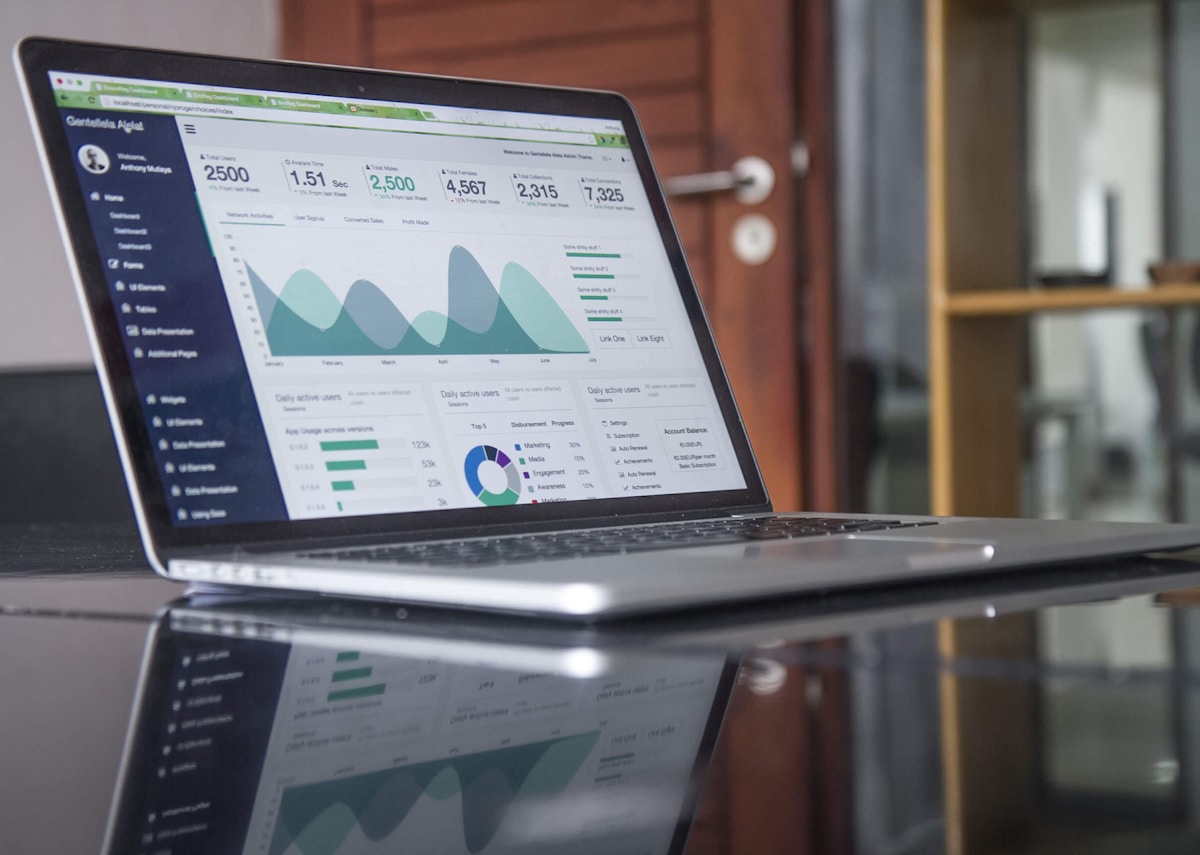
Integrating Messenger bots Nepal with live agents creates a seamless customer support system. Bots handle initial queries and data collection 24/7, while live agents step in for complex issues, ensuring efficiency, cost-effectiveness, and enhanced customer satisfaction.
The Evolving Landscape of Customer Support in Nepal
In today's fast-paced digital world, customer expectations are higher than ever. For businesses operating in Nepal, providing prompt, efficient, and personalized customer support is no longer a luxury but a necessity. The rise of digital communication channels has paved the way for innovative solutions, and **Messenger bots Nepal** are at the forefront of this revolution. However, the true power lies not in replacing human interaction entirely, but in strategically integrating these automated systems with live agents to create a truly seamless customer support experience.
Nepal's digital adoption is growing rapidly. With over 60% of the population having internet access and smartphone penetration soaring, platforms like Facebook Messenger have become crucial touchpoints for consumers. Businesses in Kathmandu, Pokhara, and Biratnagar are increasingly leveraging these channels to connect with their audience. Yet, many struggle to balance the efficiency of automation with the empathy and problem-solving skills of human agents. This is where the synergy between **Messenger bots Nepal** and live support shines.
Why Integrate Messenger Bots with Live Agents? The Omnichannel Advantage
An omnichannel strategy aims to provide a unified and consistent customer experience across all channels. In Nepal, this means catering to customers who might interact via a website, a phone call, an SMS, or increasingly, through social media messaging apps like Facebook Messenger. Integrating Messenger bots with live agents is a cornerstone of this strategy, offering several compelling benefits:
1. Instant Responses, 24/7 Availability
Messenger bots can handle a high volume of common queries instantly, any time of day or night. This is invaluable for Nepalese businesses serving diverse customer bases with varying schedules. Imagine a customer in a remote area of Nepal needing support at 2 AM; a bot can provide immediate answers to FAQs about product availability, store hours in Kathmandu, or basic troubleshooting steps, significantly reducing customer frustration.
2. Efficient Lead Qualification and Data Collection
Bots can act as the first point of contact, gathering essential information from customers before escalating to a live agent. This includes names, contact details, order numbers, and the nature of their query. This pre-qualification saves valuable time for your support team, allowing them to focus on complex issues rather than repetitive data entry. For instance, an e-commerce business in Nepal can use a bot to collect order details before a live agent steps in to resolve a delivery issue.
3. Cost-Effectiveness and Scalability
Automating responses to frequently asked questions through **Messenger bots Nepal** can significantly reduce the operational costs associated with hiring and training a large support team. As your business grows, bots can scale effortlessly to handle increased query volumes without a proportional increase in human resources. This is particularly relevant for startups and SMEs in Nepal looking to optimize their budget.
4. Enhanced Customer Experience and Personalization
While bots excel at speed and efficiency, live agents bring empathy, understanding, and nuanced problem-solving. The integration ensures that customers receive quick answers for simple questions and immediate access to a human for complex or sensitive issues. This hybrid approach leads to higher customer satisfaction and loyalty. A customer experiencing a payment issue with eSewa or Khalti might initially interact with a bot, which then seamlessly transfers them to a live agent who can offer personalized assistance.
5. Reduced Agent Workload and Improved Morale
By handling routine tasks, bots free up live agents to focus on more challenging and rewarding aspects of customer service. This can lead to reduced burnout, increased job satisfaction, and ultimately, better service quality. Agents can dedicate more time to building rapport and resolving intricate problems, enhancing their overall effectiveness.
Implementing Messenger Bots Nepal: A Step-by-Step Guide
Setting up an effective integrated support system requires careful planning and execution. Here’s how Nepalese businesses can get started:
Step 1: Define Your Goals and Use Cases
What do you want your Messenger bot to achieve? Common goals include:
- Answering Frequently Asked Questions (FAQs)
- Providing order status updates
- Collecting leads and customer information
- Guiding users through basic troubleshooting
- Scheduling appointments or consultations
- Directing customers to the right department or agent
Identify the most common queries your support team receives. For a travel agency in Pokhara, this might be about tour packages, booking procedures, or visa information. For a retail store in Kathmandu, it could be about product availability, store locations, or return policies.
Step 2: Choose the Right Platform and Tools
Several platforms offer tools for building and managing Messenger bots. For businesses in Nepal, consider platforms that integrate well with Facebook and offer features like:
- Ease of Use: No-code or low-code builders are ideal for businesses without dedicated development teams.
- Integration Capabilities: Ensure the platform can connect with your CRM, helpdesk software, and other business tools.
- Live Chat Handover: The ability to seamlessly transfer conversations from bot to live agent is crucial.
- Analytics and Reporting: Track bot performance, customer interactions, and agent efficiency.
- Scalability and Pricing: Choose a solution that fits your budget and can grow with your business.
Platforms like ManyChat, Chatfuel, or even custom solutions built using Facebook's Messenger Platform API can be effective. For businesses already using SMS marketing services like Sparrow SMS or Nepal Telecom/Ncell's business solutions, explore if they offer integrated chatbot functionalities or partnerships.
Step 3: Design Your Bot's Conversation Flow
Map out the user journey. Start with a welcoming message and clear options. Use simple language and avoid jargon. Anticipate potential user responses and design branching logic accordingly. For a telecom company like Ncell or Nepal Telecom, the bot might guide users through checking their balance, understanding data plans, or reporting network issues.
Key elements of a good bot conversation:
- Clear Introduction: Let users know they are interacting with a bot.
- Menu Options: Provide quick buttons for common tasks.
- Natural Language Processing (NLP): Allow users to type their queries freely.
- Escalation Path: Offer a clear option to connect with a live agent.
- Feedback Mechanism: Allow users to rate their experience.
Step 4: Develop Bot Content and Training Data
Populate your bot with accurate and helpful information. This includes answers to FAQs, links to relevant resources on your website, and standard operating procedures for common issues. If using NLP, train the bot with various ways users might phrase their questions.
Step 5: Integrate with Live Chat Software
This is the critical step for seamless handover. Your chosen bot platform should integrate with your live chat software (e.g., Zendesk, Intercom, or even a simple in-house solution). When a bot cannot resolve an issue or the customer requests a human, the conversation, along with the collected information, should be transferred to an available live agent.
Step 6: Train Your Live Agents
Ensure your support team understands how the bot works, when to expect escalations, and how to access the conversation history provided by the bot. They need to be prepared to pick up where the bot left off, offering a smooth transition and personalized assistance.
Step 7: Test, Monitor, and Iterate
Before launching, thoroughly test the bot’s functionality, conversation flows, and handover process. Once live, continuously monitor its performance using analytics. Track metrics like resolution rate, escalation rate, customer satisfaction scores, and response times. Use this data to identify areas for improvement and refine the bot’s responses and logic.
Real-World Scenarios in Nepal: Bridging the Gap
Scenario 1: E-commerce Retailer in Kathmandu
Challenge: High volume of order status inquiries and product questions during peak shopping seasons.
Solution: Implement a Messenger bot that can instantly provide order tracking information by integrating with the business's order management system. For product-specific questions or complex issues like damaged goods, the bot can collect details and seamlessly transfer the chat to a live agent who has the customer's order history readily available. This reduces wait times and improves the overall shopping experience for customers in Kathmandu.
Scenario 2: Financial Service Provider (e.g., Microfinance or Payment Gateway) in Pokhara
Challenge: Handling common account inquiries, transaction issues, and guiding users through services like eSewa or Khalti.
Solution: A Messenger bot can answer FAQs about account opening, service fees, and transaction limits. It can guide users through basic steps for using digital wallets. For more sensitive issues like blocked accounts or disputed transactions, the bot escalates to a live agent. The agent receives the conversation context, enabling them to resolve the issue efficiently without the customer having to repeat information. This maintains trust and security, crucial for financial services.
Scenario 3: Telecommunications Company (e.g., Ncell/Nepal Telecom) in Biratnagar
Challenge: Managing a massive influx of queries regarding network coverage, mobile plans, and billing.
Solution: Deploy a Messenger bot to handle routine queries like checking data balance, understanding plan benefits, or finding the nearest service center. For technical issues or complex plan changes, the bot can collect the customer's account details and preferred time for a callback, or directly transfer them to a specialized live agent. This ensures customers in Biratnagar receive timely support for essential services.
Key Metrics to Track for Success
To ensure your integrated Messenger bot and live agent strategy is effective, track these key performance indicators (KPIs):
- First Response Time (FRT): How quickly do customers receive an initial response (from bot or agent)?
- Average Handle Time (AHT): The average duration of a customer interaction. Integration should aim to reduce AHT for issues handled by the bot and optimize it for agents.
- Resolution Rate: The percentage of issues resolved by the bot without human intervention, and the overall resolution rate including live agents.
- Customer Satisfaction (CSAT): Measure customer happiness through post-interaction surveys.
- Escalation Rate: The percentage of conversations that need to be transferred from the bot to a live agent. A high rate might indicate the bot needs improvement.
- Agent Utilization: How effectively are your live agents' time being used?
The Future of Customer Support in Nepal
The trend towards automation and AI in customer service is undeniable. For businesses in Nepal, embracing **Messenger bots Nepal** and integrating them with skilled live agents is not just about staying competitive; it's about building stronger customer relationships. This hybrid approach ensures efficiency, scalability, and personalization, catering to the unique needs and expectations of the Nepalese market. By leveraging platforms like nepalfillings.com, businesses can find the right tools and strategies to implement these advanced customer support solutions effectively, driving growth and customer loyalty.
As technology continues to advance, expect even more sophisticated integrations, potentially including AI-powered agents that can handle more complex tasks. However, the human touch will likely remain indispensable for building deep customer connections. The key lies in finding the perfect balance, ensuring that every customer interaction, whether automated or human-led, is positive and productive.
Frequently Asked Questions
01What is the primary benefit of using Messenger bots in Nepal for customer support?
The primary benefit of using Messenger bots in Nepal is providing instant, 24/7 responses to common customer queries. This significantly improves customer satisfaction by reducing wait times and offering immediate assistance, which is crucial in a market with rapidly growing digital engagement.
02How do Messenger bots help reduce operational costs for Nepalese businesses?
Messenger bots reduce costs by automating responses to a high volume of repetitive questions. This lessens the need for a large human support team to handle basic inquiries, thereby lowering salary, training, and infrastructure expenses for Nepalese businesses.
03Is it difficult to integrate Messenger bots with live agents in Nepal?
Integration difficulty varies by platform. Many modern chatbot builders offer user-friendly interfaces and pre-built integrations with live chat software. For Nepalese businesses, choosing a platform with good support and clear documentation is key to a smooth integration process.
04Can Messenger bots handle customer support in Nepali and other local languages?
Yes, many advanced Messenger bot platforms support multiple languages, including Nepali. Businesses can train their bots with local language FAQs and conversational flows to cater effectively to the diverse linguistic landscape of Nepal.
05What kind of businesses in Nepal benefit most from Messenger bots?
All types of businesses in Nepal can benefit, but particularly those with high customer interaction volumes like e-commerce, finance (e.g., eSewa, Khalti), telecommunications (Ncell, Nepal Telecom), travel, and retail. They can automate FAQs and streamline initial customer contact.
06How does the handover process from bot to live agent work?
When a bot cannot resolve an issue or the customer requests a human, the conversation, along with any data collected by the bot (like name, query details), is seamlessly transferred to an available live agent via integrated live chat software.
07What are the typical costs associated with implementing Messenger bots in Nepal?
Costs vary widely. Basic bot-building platforms might start from around NPR 2,000-5,000 per month, while enterprise-level solutions with advanced features and integrations can cost significantly more. Many offer free trials or basic plans.
08How can Messenger bots improve lead generation for Nepalese companies?
Bots can engage website visitors or Facebook page users, ask qualifying questions, collect contact information (name, email, phone number), and even schedule follow-up calls or demos. This automates the initial stages of lead nurturing, passing qualified leads to sales teams.
09Are there any regulatory considerations for using Messenger bots in Nepal?
Businesses must comply with data privacy regulations and Facebook's platform policies. Transparency about using a bot versus a human agent is essential. Ensure compliance with any guidelines set forth by the Nepal Telecommunications Authority (NTA) regarding digital communication.
10How do I measure the success of my Messenger bot and live agent integration in Nepal?
Track key metrics like bot resolution rate, escalation rate, customer satisfaction (CSAT) scores post-interaction, first response time, and average handle time. Analyzing these KPIs will reveal the effectiveness of your strategy and areas for optimization.