Elevating Customer Experience in Nepal with Messenger Bots
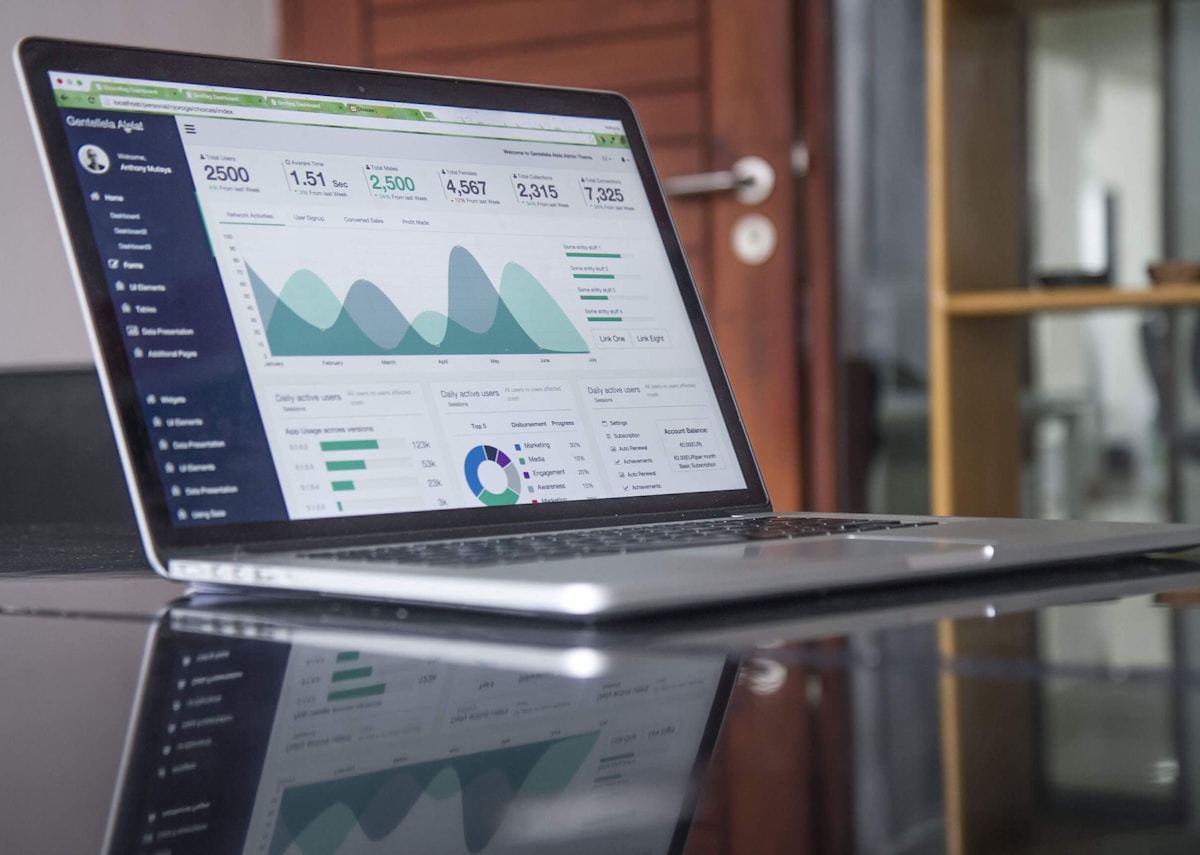
Messenger bots experience refers to how users interact with automated chat programs on platforms like Facebook Messenger. For Nepali businesses, they enhance customer satisfaction by providing instant support, personalizing interactions, and streamlining processes 24/7.
The Rise of Messenger Bots in Nepal's Digital Landscape
In today's rapidly evolving digital marketplace, businesses in Nepal are constantly seeking innovative ways to connect with their customers and enhance the overall customer experience. The advent of messaging apps, particularly Facebook Messenger, has opened up a powerful new channel for direct communication. This is where Messenger bots experience comes into play, offering an automated yet personalized way to engage users, provide support, and drive business growth. For Nepali businesses, understanding and implementing Messenger bots is no longer a luxury but a strategic necessity to stay competitive and foster deeper customer relationships. From small businesses in Kathmandu to larger enterprises in Pokhara and Biratnagar, the potential for improved customer satisfaction Nepal is immense.
What are Messenger Bots and How Do They Work?
At their core, Messenger bots experience are software applications designed to simulate human conversation through text or voice commands. Integrated with Facebook Messenger, these bots can automate a wide range of tasks, from answering frequently asked questions and providing product information to processing orders and scheduling appointments. They operate based on pre-programmed rules or, more advanced ones, utilize Artificial Intelligence (AI) and Natural Language Processing (NLP) to understand and respond to user queries in a more sophisticated manner. For Nepali businesses, this means providing instant support 24/7, regardless of time zones or staff availability, significantly improving the user experience.
Key Functionalities of Messenger Bots
- Automated Customer Support: Handling common queries, guiding users through processes, and resolving basic issues without human intervention.
- Lead Generation and Qualification: Engaging potential customers, collecting contact information, and segmenting leads based on their interests.
- Order Processing and Tracking: Allowing customers to browse products, place orders, and receive real-time updates on their delivery status directly within Messenger.
- Appointment Scheduling: Enabling users to book, reschedule, or cancel appointments seamlessly.
- Information Dissemination: Sharing product details, promotional offers, event information, and company updates.
- Personalized Recommendations: Offering tailored product suggestions based on user preferences and past interactions.
Benefits of Implementing Messenger Bots for Nepali Businesses
The adoption of Messenger bots experience offers a multitude of advantages for businesses operating in Nepal. These benefits directly translate into improved operational efficiency and enhanced customer loyalty.
1. Enhanced Customer Satisfaction and Loyalty
In Nepal, where instant gratification and personalized service are increasingly valued, Messenger bots excel. They provide immediate responses to customer inquiries, a crucial factor in boosting customer satisfaction Nepal. Imagine a customer in Kathmandu wanting to know the operating hours of a restaurant at 10 PM; a bot can provide this instantly, preventing frustration and potentially securing a future visit. This consistent and prompt availability significantly elevates the user experience, leading to increased customer loyalty.
2. 24/7 Availability and Instant Support
Nepali businesses, especially those catering to a diverse customer base or operating across different time zones, can leverage bots for round-the-clock support. This means a customer browsing an e-commerce site from Pokhara late at night can still get answers to their questions without waiting for business hours. This constant accessibility is a game-changer for automated support and customer retention.
3. Cost-Effectiveness and Scalability
Hiring and training a large customer support team can be expensive, particularly for SMEs in Nepal. Messenger bots offer a cost-effective solution, handling a high volume of interactions simultaneously without proportional increases in operational costs. As a business scales, the bot's capacity can be easily expanded, making it a highly scalable solution. For instance, a travel agency in Biratnagar can use a bot to handle thousands of inquiries about trekking packages during peak season without needing to hire temporary staff.
4. Improved Lead Generation and Sales Conversion
Messenger bots can proactively engage website visitors or social media followers, collecting valuable lead information and even guiding them through the initial stages of the sales funnel. They can ask qualifying questions, understand customer needs, and direct them to the most relevant products or services. This proactive approach can significantly boost conversion rates and revenue for Nepali businesses.
5. Data Collection and Customer Insights
Every interaction with a Messenger bot generates valuable data. Businesses can analyze conversation logs to understand common customer pain points, frequently asked questions, product preferences, and overall sentiment. This data is invaluable for refining marketing strategies, improving product offerings, and further enhancing the customer experience in Nepal.
Real-World Applications of Messenger Bots in Nepal
Nepali businesses across various sectors are already beginning to harness the power of Messenger bots to transform their customer interactions.
E-commerce and Retail
Online stores can use bots to assist customers with product discovery, provide size guides, answer questions about materials, and even facilitate the checkout process. Imagine a customer in Kathmandu looking for a specific type of traditional Nepali handicraft; a bot can help them navigate categories, filter options, and even suggest complementary items. Integration with payment gateways like eSewa or Khalti can further streamline the purchasing journey.
Hospitality and Tourism
Hotels and travel agencies can deploy bots to handle booking inquiries, provide information about hotel amenities, suggest local attractions, and even manage reservation changes. A tourist in Pokhara could use a bot to inquire about available rooms, get details on trekking routes, or book a guided tour, all within minutes.
Banking and Finance
Financial institutions can use bots for basic customer service, such as checking account balances, providing information on loan products, or guiding users through transaction processes. While sensitive information requires secure channels, bots can handle initial inquiries and direct users to the appropriate human agent when needed. This can reduce call volumes for banks and improve accessibility for customers across Nepal.
Telecommunications
Telecom companies like Nepal Telecom and Ncell can use bots to answer common queries about data plans, call rates, and network coverage. They can also assist with basic troubleshooting or guide users on how to recharge their accounts or subscribe to new services, improving the overall user experience for their subscribers.
Food and Beverage
Restaurants can implement bots for taking orders, managing reservations, and providing menu information. Customers can easily browse the menu, customize their orders, and even get estimated delivery times, all through a conversational interface. This is particularly useful for managing delivery orders in busy urban centers like Kathmandu and Biratnagar.
Implementing Messenger Bots: A Step-by-Step Guide for Nepal
Getting started with Messenger bots experience might seem daunting, but a structured approach can make the process manageable for Nepali businesses.
Step 1: Define Your Objectives
What do you want your bot to achieve? Is it to reduce customer support queries, generate more leads, or automate sales? Clearly defined goals will guide the bot's development and ensure it aligns with your business strategy.
Step 2: Choose the Right Platform/Tool
Several platforms offer tools for building Messenger bots, ranging from simple drag-and-drop interfaces to more advanced developer frameworks. Options include ManyChat, Chatfuel, MobileMonkey, and custom development. Consider your budget (many offer free tiers with paid upgrades, with prices starting from around NPR 2,000/month for basic features) and technical expertise when making your choice.
Step 3: Design the Conversation Flow
Map out the user journey. How will the bot greet users? What questions will it ask? How will it handle different responses? Focus on creating a natural and intuitive conversation that guides the user effectively. Ensure the language is appropriate for the Nepali audience.
Step 4: Develop and Train Your Bot
Build the bot using your chosen platform. Input your predefined answers, create decision trees, and integrate any necessary third-party services (e.g., CRMs, databases). If using an AI-powered bot, train it with relevant data to improve its understanding and response accuracy.
Step 5: Test Thoroughly
Before launching, rigorously test the bot with internal teams and a small group of beta users. Identify any bugs, confusing responses, or areas where the conversation flow can be improved. Ensure it handles common Nepali queries and cultural nuances correctly.
Step 6: Launch and Promote
Integrate the bot with your Facebook Page. Promote its availability to your audience through social media posts, website banners, and email newsletters. Encourage users to interact with the bot to experience its benefits.
Step 7: Monitor and Optimize
Continuously monitor the bot's performance. Analyze conversation data, gather user feedback, and make iterative improvements to enhance its effectiveness and the overall customer experience. Regular updates are key to maintaining relevance and maximizing the bot's ROI.
Challenges and Considerations for Messenger Bots in Nepal
While the benefits are significant, Nepali businesses should also be aware of potential challenges when implementing Messenger bots experience.
1. Internet Penetration and Data Costs
While internet access is growing in Nepal, data costs can still be a barrier for some users. Businesses should ensure their bot interactions are efficient and do not consume excessive data.
2. Language and Cultural Nuances
Bots need to be programmed to understand and respond appropriately to Nepali language nuances, dialects, and cultural contexts. A generic bot might fail to resonate with the local audience.
3. Integration with Local Systems
Seamless integration with popular local payment gateways like eSewa and Khalti, or local delivery services, is crucial for many Nepali businesses. Ensuring compatibility can sometimes be a technical hurdle.
4. Regulatory Compliance
Businesses must adhere to data privacy regulations, including those set by the Nepal Telecommunications Authority (NTA), when collecting and storing user data through bots.
5. Maintaining the Human Touch
Over-reliance on bots can sometimes lead to a depersonalized experience. It's essential to provide clear pathways for users to connect with human agents when needed, ensuring a balanced approach to automated support and human interaction.
The Future of Messenger Bots in Nepal
The trajectory for Messenger bots experience in Nepal is undeniably upward. As smartphone penetration continues to rise and digital literacy improves, more consumers will expect instant, convenient communication channels. AI advancements will make bots more intelligent, capable of handling complex queries and providing even more personalized interactions. Businesses that embrace this technology early will gain a significant competitive advantage, building stronger customer relationships and driving sustainable growth. The focus will increasingly shift towards creating a truly seamless and engaging user experience, where bots act as intelligent assistants, enhancing every step of the customer journey.
For Nepali businesses looking to enhance customer satisfaction Nepal, investing in and strategically implementing Messenger bots is a critical step towards future-proofing their operations and connecting with their audience in a meaningful and efficient way. The potential for improved user experience and operational efficiency makes them an indispensable tool in the modern Nepali business toolkit.
Frequently Asked Questions
01What is the average cost of implementing a Messenger bot for a small business in Nepal?
The cost varies significantly based on complexity. Basic bots with limited features can be built using platforms like ManyChat or Chatfuel starting from around NPR 2,000-5,000 per month for premium features. More advanced, custom-built bots requiring AI integration can cost upwards of NPR 50,000 to several lakhs, depending on the development scope and agency.
02Can Messenger bots handle customer queries in Nepali language and dialects?
Yes, many modern chatbot platforms support multiple languages, including Nepali. However, the effectiveness depends on the training data and NLP capabilities. For specific dialects or nuances, custom development or advanced AI training might be necessary to ensure accurate understanding and responses.
03How do Messenger bots integrate with local payment systems like eSewa and Khalti?
Integration is typically done via APIs (Application Programming Interfaces). Businesses need to work with their bot development partner to connect the bot to the APIs provided by eSewa or Khalti. This allows the bot to initiate payment requests and process transactions directly within the chat interface.
04What are the regulatory requirements for using Messenger bots in Nepal?
Businesses must comply with data privacy laws and regulations set by authorities like the Nepal Telecommunications Authority (NTA). This includes obtaining user consent for data collection, clearly stating data usage policies, and ensuring secure storage of any personal information gathered through the bot.
05How can businesses in Nepal measure the success of their Messenger bot?
Success can be measured through various metrics: reduction in customer support tickets, increase in lead generation, higher conversion rates, improved customer satisfaction scores (via post-chat surveys), engagement rates (e.g., messages sent/received), and task completion rates within the bot.
06Are Messenger bots suitable for all types of businesses in Nepal?
Messenger bots are highly versatile and can benefit most businesses, from e-commerce and retail to hospitality, finance, and education. The key is to tailor the bot's functionality to the specific needs and customer interaction patterns of the business. Even small local shops in Kathmandu can use them for basic FAQs and promotions.
07What is the difference between a rule-based bot and an AI-powered bot in the context of Nepal?
Rule-based bots follow predefined scripts and decision trees, ideal for simple FAQs. AI-powered bots use Natural Language Processing (NLP) to understand context and intent, offering more dynamic and human-like conversations. For complex interactions in Nepal, AI bots offer a superior user experience but are more expensive to develop and maintain.
08How can Messenger bots help businesses in Pokhara attract more tourists?
Bots can provide instant information about tours, activities, hotel bookings, and local attractions. They can answer common tourist queries in multiple languages, offer personalized recommendations based on preferences, and even facilitate booking processes, enhancing the overall planning and travel experience for visitors.
09What are the main challenges businesses in Biratnagar might face when implementing Messenger bots?
Challenges could include varying levels of digital literacy among the customer base, potential issues with consistent internet connectivity in some areas, ensuring the bot understands local dialects or specific business terminology, and the initial cost of setup and maintenance.
10How can I ensure my Messenger bot provides a positive user experience in Nepal?
Focus on clear, concise language (both Nepali and English if applicable), anticipate common user needs, provide easy navigation, ensure quick response times, offer a clear path to human support when needed, and regularly analyze feedback and conversation data to make improvements.