Case Study: How a Nepali Startup Scaled with WhatsApp Business API
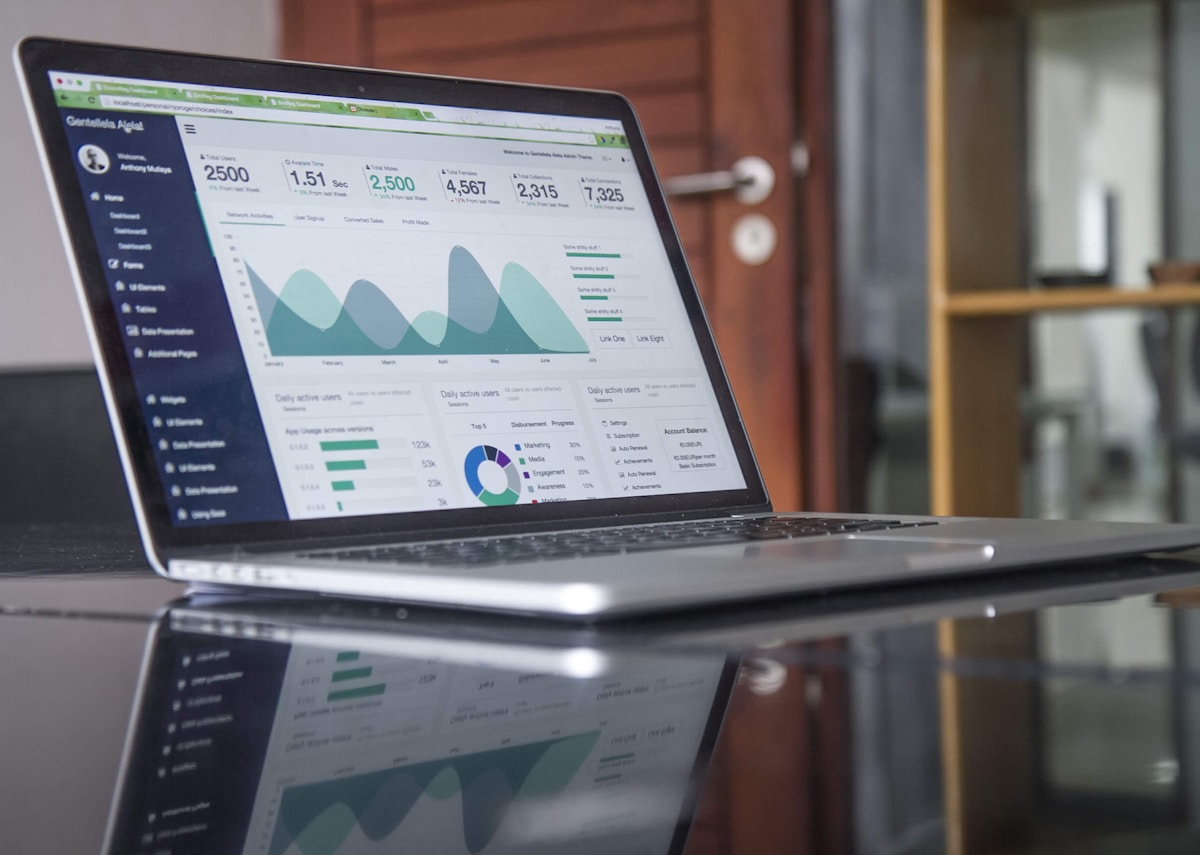
The WhatsApp Business API allows businesses in Nepal to communicate with customers at scale via WhatsApp, enabling automated messaging, personalized support, and efficient service delivery for enhanced customer engagement and business growth.
The Challenge: Bridging the Communication Gap for a Growing Nepali Startup
In the dynamic landscape of Nepal's burgeoning startup ecosystem, effective customer communication is not just a feature; it's the lifeline of growth. For "Sajilo Sewa," a fictional yet representative Nepali startup offering on-demand home services (plumbing, electrical, cleaning), scaling presented a significant hurdle. Their initial customer acquisition and retention relied heavily on traditional phone calls and basic SMS. However, as their service area expanded from Kathmandu to Pokhara and eventually Biratnagar, managing customer inquiries, booking confirmations, service updates, and post-service feedback became increasingly cumbersome and inefficient. The sheer volume of daily calls led to dropped connections, delayed responses, and a fragmented customer experience. This not only impacted customer satisfaction but also hindered their ability to scale operations effectively. The existing communication channels were proving to be a bottleneck, preventing Sajilo Sewa from realizing its full growth potential in the competitive Nepali market.
The team recognized that a more modern, scalable, and engaging communication solution was desperately needed. They needed a platform that could handle a high volume of interactions, provide automated responses, facilitate seamless booking processes, and deliver personalized customer service. Their objective was clear: leverage technology to streamline operations, enhance customer engagement, and ultimately drive sustainable startup scaling in Nepal.
Exploring Solutions: Why WhatsApp Business API Became the Obvious Choice
Sajilo Sewa's management team, including their marketing lead, explored various digital communication tools. They considered enhancing their website's live chat, investing more in traditional call center infrastructure, and even exploring other messaging apps popular in Nepal. However, each option presented its own set of limitations:
- Basic SMS: While widely used, SMS lacks the richness of interaction, is often perceived as impersonal, and can be expensive for high-volume communication. It’s difficult to share booking details, service checklists, or images effectively.
- Phone Calls: Prone to human error, limited by agent availability, and often leads to long waiting times, especially during peak hours. This was the primary pain point they sought to overcome.
- Website Live Chat: Requires users to be on their website, which isn't always the case. Integration can be complex, and managing multiple chat windows can be challenging for support staff.
The team then turned their attention to the WhatsApp Business API. Several factors made it a compelling choice for their case study in Nepal:
- Ubiquity: WhatsApp is the most popular messaging app in Nepal, boasting over 15 million active users. This meant their target audience – homeowners and businesses across major cities – was already on the platform.
- Rich Features: The API allows for interactive messages, including quick replies, list messages, and even media sharing (photos of completed work, invoices). This level of engagement was missing from their current strategy.
- Automation Capabilities: The API integrates with business logic, enabling automated responses for FAQs, booking confirmations, and appointment reminders. This could significantly reduce the workload on their customer support team.
- Scalability: Designed for medium to large businesses, the API can handle a massive volume of conversations, ensuring that Sajilo Sewa could grow without communication becoming a bottleneck.
- Official Partnership: Working with a Business Solution Provider (BSP) like nepalfillings.com offered a streamlined implementation process, ongoing support, and access to advanced features tailored for the Nepali market.
The decision was solidified after reviewing the cost-effectiveness compared to scaling a call center and the potential for enhanced customer loyalty through personalized, instant communication. The WhatsApp Business API presented a clear path towards achieving their digital growth in Nepal objectives.
Implementation Strategy: Tailoring WhatsApp for Sajilo Sewa's Needs
Sajilo Sewa partnered with nepalfillings.com, a leading Business Solution Provider (BSP) in Nepal, to implement the WhatsApp Business API. The implementation process was meticulously planned to align with their operational workflow and customer journey:
Phase 1: Setup and Basic Automation
The initial phase focused on setting up the official WhatsApp Business Account and integrating the API with their existing customer relationship management (CRM) system. Key steps included:
- Verification: Obtaining official verification for their WhatsApp Business profile, building trust and credibility.
- Automated Welcome Messages: Crafting welcoming messages that guide new customers on how to book services, list available services, and provide contact information.
- FAQ Chatbot: Developing a chatbot to handle frequently asked questions regarding service pricing, operating hours, and service areas (Kathmandu, Pokhara, Biratnagar). This freed up human agents for complex queries.
- Service Booking Flow: Designing an interactive flow where customers could select services, preferred dates/times, and provide necessary details directly through WhatsApp chat.
Phase 2: Advanced Integration and Personalization
Once the basic framework was in place, Sajilo Sewa moved towards more advanced features to personalize the customer experience:
- Booking Confirmations & Reminders: Implementing automated messages to confirm bookings instantly and send timely reminders a day before and a few hours prior to the service appointment. This significantly reduced no-shows.
- Service Updates: Enabling real-time updates about technician arrival, progress of the service, and completion status.
- Post-Service Feedback: Automating feedback requests via WhatsApp, including simple rating mechanisms and open-ended questions, making it easier for customers to share their experience.
- Payment Integration (Future Scope): Exploring integration with popular Nepali payment gateways like eSewa and Khalti for seamless payment collection directly through WhatsApp, although this was planned for a later stage.
- Promotional Campaigns: Utilizing the API for targeted promotional messages about seasonal offers or new service launches to existing customers, adhering to opt-in regulations.
Phase 3: Analytics and Optimization
Continuous monitoring and analysis were crucial. Sajilo Sewa used the analytics provided by nepalfillings.com to track:
- Message delivery and read rates.
- Chatbot interaction success rates.
- Customer feedback trends.
- Conversion rates from WhatsApp interactions to booked services.
This data-driven approach allowed them to continuously refine their messaging, chatbot responses, and overall communication strategy for optimal results in their startup scaling in Nepal journey.
Results: Tangible Growth and Enhanced Customer Loyalty
The adoption of the WhatsApp Business API yielded remarkable results for Sajilo Sewa within the first six months:
Improved Efficiency and Reduced Costs
- Reduced Call Volume: Customer service calls decreased by over 40%, as a significant portion of inquiries and booking requests were now handled via WhatsApp.
- Faster Response Times: Average response time dropped from over 15 minutes to under 2 minutes for automated queries and under 10 minutes for human-handled ones.
- Lower Operational Costs: By automating repetitive tasks and reducing the need for a larger call center team, Sajilo Sewa saw a projected operational cost saving of approximately 25% on their customer communication. This is a crucial factor for any startup operating with lean budgets in Nepal.
Enhanced Customer Engagement and Satisfaction
- Increased Booking Conversions: The seamless booking process via WhatsApp led to a 30% increase in service bookings originating from the platform.
- Higher Customer Satisfaction Scores: Post-service feedback scores improved by an average of 15%, attributed to timely updates, easy communication, and prompt issue resolution.
- Reduced No-Shows: Automated reminders cut down on missed appointments by nearly 20%, saving valuable technician time and revenue.
Scalability Achieved
The WhatsApp Business API provided the infrastructure needed to handle the increasing customer base across multiple cities like Kathmandu, Pokhara, and Biratnagar without a proportional increase in support staff. This was a critical enabler for their startup scaling in Nepal.
Data-Driven Insights
The analytics provided valuable insights into customer preferences and pain points, enabling Sajilo Sewa to optimize service offerings and marketing efforts. For instance, they identified a surge in demand for specific services during festival seasons in Kathmandu, allowing them to proactively allocate resources.
Lessons Learned and Future Outlook
Sajilo Sewa's journey highlights several key takeaways for Nepali businesses looking to leverage the WhatsApp Business API for growth:
- Start with Automation: Implementing chatbots for FAQs and basic inquiries can immediately alleviate pressure on support teams.
- Personalize the Experience: Utilize customer data to send relevant updates, reminders, and offers. Generic messages are less effective.
- Integrate Wisely: Connect the API with existing CRM or booking systems to ensure a seamless workflow and data synchronization.
- Focus on User Experience: Design conversational flows that are intuitive and easy for Nepali users to navigate. Avoid overly complex menus.
- Adhere to Regulations: Always ensure customer opt-in for promotional messages and comply with data privacy guidelines set by the Nepal Telecommunications Authority (NTA).
Looking ahead, Sajilo Sewa plans to further leverage the WhatsApp Business API by integrating it with payment gateways like eSewa and Khalti for end-to-end service management. They are also exploring using WhatsApp for proactive maintenance reminders and loyalty programs. This case study in Nepal demonstrates the transformative power of strategic digital communication tools in achieving sustainable startup scaling in Nepal and fostering deeper customer relationships.
The success of Sajilo Sewa underscores the potential of the WhatsApp Business API to revolutionize how businesses in Nepal connect with their customers. By embracing this powerful tool, startups and established businesses alike can unlock new levels of efficiency, engagement, and growth in the increasingly digital Nepali marketplace.
Frequently Asked Questions
01What is the WhatsApp Business API and how does it differ from the regular WhatsApp Business App?
The WhatsApp Business API is a powerful tool for medium to large businesses in Nepal, enabling them to communicate with customers at scale. Unlike the free WhatsApp Business App, the API allows for advanced automation (chatbots), integration with CRM systems, sending bulk notifications (with opt-in), and managing a high volume of conversations from multiple agents simultaneously, crucial for businesses in Kathmandu or Pokhara.
02How much does the WhatsApp Business API cost for businesses in Nepal?
The cost for the WhatsApp Business API in Nepal typically involves two components: a platform fee charged by the Business Solution Provider (BSP) like nepalfillings.com, and per-conversation fees charged by Meta (WhatsApp's parent company). BSP fees vary, while Meta's conversation rates depend on whether the conversation is initiated by the business or the customer. Expect costs to be in NPR, with rates changing based on usage and conversation type.
03Is the WhatsApp Business API compliant with Nepal's data privacy regulations?
Yes, when implemented correctly through a reputable BSP, the WhatsApp Business API can be compliant. Businesses must ensure they obtain explicit customer consent (opt-in) before sending promotional messages, as mandated by general data protection principles and potentially influenced by NTA guidelines. Transparency about data usage is key.
04Can I send promotional messages or marketing campaigns using the WhatsApp Business API in Nepal?
Yes, you can send promotional messages, but only to customers who have explicitly opted-in to receive them. This is a strict requirement. Unsolicited marketing messages can lead to your business being blocked. Utilizing the API for targeted, opt-in campaigns is a powerful tool for digital growth in Nepal.
05What types of businesses in Nepal can benefit most from the WhatsApp Business API?
Any business in Nepal aiming for better customer communication and scalability can benefit. This includes e-commerce stores, service providers (like Sajilo Sewa), educational institutions, banks, travel agencies, and healthcare providers across cities like Kathmandu, Biratnagar, and beyond. It's ideal for businesses handling significant customer interactions.
06How can I integrate the WhatsApp Business API with my existing systems in Nepal?
Integration is typically handled by the Business Solution Provider (BSP). They will help connect the API to your CRM, ERP, booking systems, or other relevant software. This ensures seamless data flow, allowing for automated workflows and personalized customer experiences, which is vital for efficient operations.
07What are the key advantages of using WhatsApp Business API over traditional SMS marketing in Nepal?
WhatsApp API offers richer interactions (rich media, interactive buttons), higher engagement rates (read rates often exceed 90%), enables chatbots for instant responses, supports two-way conversations, and is generally perceived as more personal and less intrusive than SMS. For businesses in Nepal, this translates to better customer relationships and higher conversion rates.
08How does the WhatsApp Business API help with customer support in Nepal?
It revolutionizes customer support by enabling 24/7 automated responses via chatbots for common queries, faster resolution times for human agents through shared inboxes, and the ability to handle a larger volume of support requests efficiently. This improves customer satisfaction significantly for businesses operating in Nepal.
09Can I use Nepali payment gateways like eSewa or Khalti with the WhatsApp Business API?
While direct integration for payments might require custom development or specific BSP features, you can certainly provide links to your eSewa or Khalti payment pages within WhatsApp messages. Some advanced BSP solutions may offer deeper integrations, streamlining the payment process for customers in Nepal.
10What is the role of a Business Solution Provider (BSP) in implementing the WhatsApp Business API in Nepal?
A BSP like nepalfillings.com acts as an intermediary between your business and Meta (WhatsApp). They handle the technical setup, API integration, provide tools for managing conversations and automation (like chatbots), offer support, and ensure compliance with WhatsApp's policies. They are essential for a smooth and effective implementation in Nepal.