Building Trust: Ethical Data Handling in Nepali Messaging Campaigns
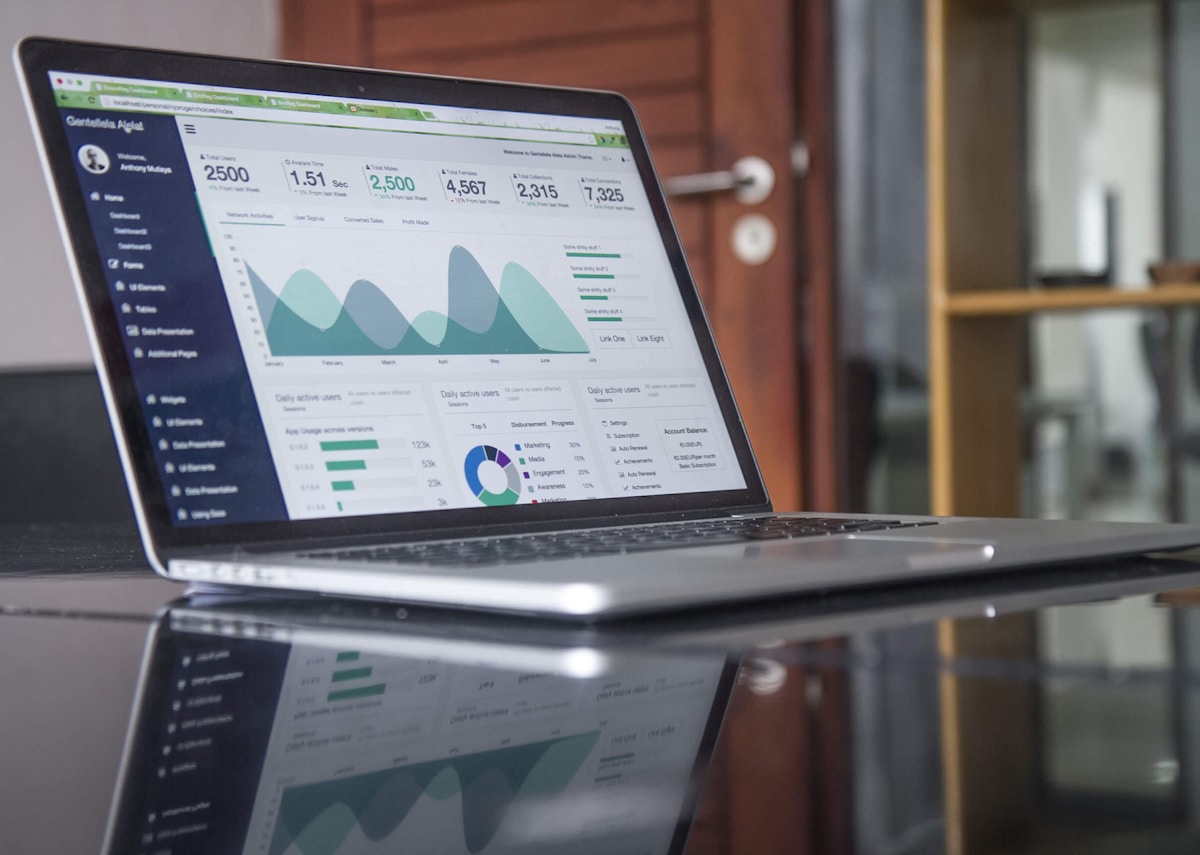
Ethical data handling involves collecting, storing, and using customer data responsibly and transparently. For Nepali messaging campaigns, it means obtaining consent, protecting data, and respecting privacy to build trust and ensure compliance.
The Imperative of Ethical Data Handling in Nepal's Digital Landscape
In today's rapidly evolving digital marketplace, businesses in Nepal are increasingly leveraging messaging campaigns to connect with their audience. From promotional offers via SMS and WhatsApp to customer support through Messenger and Telegram, these platforms offer unparalleled reach. However, the effectiveness and sustainability of these campaigns hinge on a crucial factor: ethical data handling. As Nepali consumers become more digitally savvy and aware of their rights, prioritizing data privacy isn't just good practice; it's a business imperative for trust building. Neglecting this can lead to reputational damage, loss of customers, and potential legal repercussions, especially with evolving regulations.
For businesses operating in cities like Kathmandu, Pokhara, and Biratnagar, understanding and implementing ethical data practices is paramount. This involves transparently collecting, storing, and utilizing customer data, ensuring consent, and safeguarding information against breaches. In Nepal, where trust is often built on personal relationships, extending this ethos to digital interactions is key to fostering long-term customer loyalty.
Understanding Data Privacy Regulations in Nepal
While Nepal is still developing its comprehensive data protection framework, the existing legal landscape provides a foundation for ethical data handling. The Electronic Transactions and Digital Transactions Act, 2008, and the proposed Data Protection Act, 2079 (2022), signal a clear intent towards safeguarding personal information. Businesses must stay informed about these regulations to ensure their messaging campaigns in Nepal are compliant.
Key principles often include:
- Consent: Obtaining explicit consent from individuals before collecting and using their data for marketing purposes. This means clearly informing users about what data is being collected and how it will be used.
- Purpose Limitation: Data should only be collected for specified, explicit, and legitimate purposes and not further processed in a manner that is incompatible with those purposes.
- Data Minimization: Collecting only the data that is absolutely necessary for the intended purpose.
- Accuracy: Ensuring that the data collected is accurate and kept up-to-date.
- Storage Limitation: Keeping data in an identifiable form for no longer than necessary for the purposes for which the personal data are processed.
- Integrity and Confidentiality: Processing data in a manner that ensures appropriate security, including protection against unauthorized or unlawful processing and against accidental loss, destruction, or damage.
For instance, when running an SMS campaign through a provider like Sparrow SMS or Ncell's business solutions, ensuring that the contact list is ethically sourced and consent is obtained is crucial. Similarly, for WhatsApp campaigns, respecting user opt-outs and privacy settings is non-negotiable.
Building Trust Through Transparent Data Collection
Transparency is the cornerstone of ethical data handling. When customers understand how their information is being used, they are more likely to trust a brand. This transparency should be integrated into every touchpoint of your messaging campaigns in Nepal.
Clear Opt-In and Opt-Out Mechanisms
Ensure that customers actively opt-in to receive communications. This could be through a checkbox on a website form, a keyword to SMS, or a clear statement during a purchase. Equally important are clear and easy-to-use opt-out mechanisms. For SMS campaigns, this typically means including an "SMS STOP to XXXX" option. For WhatsApp or Messenger, it involves respecting user-initiated unsubscribes or providing a clear way to do so.
Informing Users About Data Usage
When collecting data, clearly state the purpose. For example, if you are collecting a customer's phone number for a loyalty program, state that. If it's for promotional SMS, make that clear. Avoid vague statements like "We collect data to improve your experience." Be specific. This builds confidence and reduces the likelihood of customers feeling misled.
Privacy Policies
A well-written, easily accessible privacy policy is essential. It should outline:
- What data is collected
- How it is collected
- Why it is collected
- How it is stored and protected
- With whom it might be shared (if anyone)
- How users can access, modify, or delete their data
For a retail business in Kathmandu using email marketing, linking to a clear privacy policy on their website and in their email footers is a must.
Secure Data Storage and Management
The responsibility of ethical data handling extends to how data is stored and managed. A data breach can severely damage a business's reputation and lead to significant financial losses. Nepalese businesses must invest in secure systems and protocols.
Choosing Secure Platforms
When selecting platforms for your messaging campaigns, such as nepalfillings.com for SMS, WhatsApp, Telegram, or Messenger, inquire about their security measures. Ensure they comply with industry best practices for data encryption and storage. For platforms like eSewa or Khalti, which handle payment data, their security protocols are paramount, and this level of security should be expected from all service providers.
Access Control
Limit access to sensitive customer data to only those employees who require it for their job functions. Implement strong password policies and consider multi-factor authentication for accessing customer databases.
Regular Audits and Updates
Conduct regular security audits to identify and address potential vulnerabilities. Keep all software and systems updated to patch security loopholes. This is crucial for businesses of all sizes, from a small boutique in Pokhara to a large enterprise in Biratnagar.
Leveraging Data Responsibly in Messaging Campaigns
The data collected should be used to enhance the customer experience, not exploit it. Responsible data utilization is key to trust building and maintaining the effectiveness of your messaging campaigns in Nepal.
Personalization vs. Intrusion
Data allows for personalization, making messages more relevant and engaging. For example, a clothing store in Kathmandu can use past purchase data to send targeted promotions for items similar to what a customer has bought before. However, over-personalization or using data in ways that feel intrusive can backfire. Sending too many messages or messages that are overly specific to private information can alienate customers.
Segmentation for Relevance
Segment your audience based on demographics, purchase history, or engagement levels. This allows you to send more relevant messages. A travel agency might segment customers interested in adventure travel from those interested in cultural tours. This targeted approach respects the customer's interests and increases the likelihood of engagement, making your messaging campaigns more effective and demonstrating ethical data handling.
Ethical Use of Third-Party Data
If you acquire data from third-party sources, ensure that this data has been collected ethically and with the necessary consents. Using data obtained without proper consent is a direct violation of ethical data handling principles and can lead to severe consequences.
Case Studies: Ethical Data Handling in Action
Let's look at how Nepalese businesses can apply these principles:
Scenario 1: E-commerce Retailer in Kathmandu
A popular online clothing store wants to run a festive SMS campaign. Instead of buying a generic list, they decide to use their existing customer database. They ensure all customers on their list have previously opted-in to receive promotional messages via SMS or email. Their privacy policy clearly states that data is used for personalized offers and marketing. They use segmentation to send different offers to male and female customers based on past purchases. They also include a clear "Reply STOP to unsubscribe" option in every SMS. This demonstrates strong ethical data handling and supports their messaging campaigns in Nepal.
Scenario 2: Restaurant Chain in Pokhara
A restaurant chain wants to promote a new menu item via WhatsApp. They create a QR code at their tables and on their receipts inviting customers to join their "VIP Foodie Club" for exclusive offers. Scanning the QR code leads to a simple opt-in form where customers agree to receive WhatsApp messages about new dishes and promotions. Their messages are infrequent, focusing on high-quality visuals of the food and clear calls to action. They regularly remind users how to opt-out. This approach prioritizes consent and relevance, reinforcing trust building.
Scenario 3: Service Provider in Biratnagar
A local service provider (e.g., a home repair service) uses a simple online form for booking appointments. The form asks for name, contact number, and service required. A checkbox is included: "I agree to receive SMS updates about my booking and occasional service reminders. I can opt-out anytime." They use this data solely for appointment confirmations and reminders, and only send occasional promotional messages to those who have explicitly agreed. They ensure their data is stored securely and access is restricted. This meticulous approach to ethical data handling ensures customer confidence.
The Role of Digital Marketing Platforms in Ethical Data Handling
Platforms like nepalfillings.com play a vital role in facilitating ethical data handling for businesses running messaging campaigns in Nepal. Reputable platforms provide tools and guidance to ensure compliance and best practices.
Consent Management Tools
Many platforms offer features to manage customer consent, allowing businesses to track who has opted-in and who has opted-out. This is crucial for maintaining compliance with data privacy regulations.
Data Security Features
Advanced platforms employ robust security measures to protect the data entrusted to them. This includes encryption, secure servers, and regular security updates.
Reporting and Analytics
Platforms provide analytics that can help businesses understand campaign performance without compromising individual data privacy. This allows for optimization based on aggregated, anonymized data.
By partnering with providers who prioritize ethical data handling, businesses can significantly enhance the security and trustworthiness of their digital marketing efforts.
Future Trends and Continuous Improvement
The landscape of data privacy and ethical data handling is constantly evolving. As technology advances and regulations become more stringent, businesses in Nepal must commit to continuous improvement.
AI and Data Ethics
The rise of Artificial Intelligence in marketing presents new challenges and opportunities. AI can enhance personalization but also raises concerns about algorithmic bias and opaque decision-making. Businesses must ensure AI tools are used ethically and transparently.
Customer Education
Educating customers about their data rights empowers them and fosters a more trusting relationship. Businesses that proactively engage in this education will stand out.
Adapting to New Regulations
Stay updated on any new data protection laws or guidelines issued by the Nepali government or regulatory bodies like the National Telecommunications Authority (NTA). Proactive adaptation is key to avoiding penalties and maintaining trust.
Ultimately, prioritizing ethical data handling is not just about compliance; it's about building a sustainable and reputable brand in Nepal's growing digital economy. It is the foundation for successful and long-lasting messaging campaigns and robust trust building with your audience.
Frequently Asked Questions
01What is the current legal framework for data privacy in Nepal?
Nepal has the Electronic Transactions and Digital Transactions Act, 2008, and is developing a comprehensive Data Protection Act (proposed 2079/2022). These aim to regulate data collection, processing, and protection, emphasizing user consent and security for digital communications.
02How can businesses in Nepal obtain consent for SMS marketing?
Businesses should use clear opt-in methods, such as a checkbox on a website form or a keyword to SMS (e.g., 'SUBSCRIBE to XXXX'). Explicit consent is key, and users must be informed about the type of messages they will receive. Ensure easy opt-out options are always provided.
03What are the risks of not practicing ethical data handling in Nepal?
Risks include severe reputational damage, loss of customer trust and loyalty, potential fines under future data protection laws, and decreased campaign effectiveness. Customers are increasingly aware of their data rights and will avoid businesses perceived as unethical.
04How can small businesses in Nepal afford robust data security?
Many digital marketing platforms like nepalfillings.com offer tiered pricing and built-in security features. Focus on strong password policies, access control for employees, and using reputable, secure service providers. Cloud-based solutions often provide cost-effective security.
05What is the role of platforms like eSewa and Khalti in data privacy?
These payment platforms handle sensitive financial data and adhere to strict security and privacy protocols. Their commitment to data protection sets a standard. Businesses integrating with them must ensure their own data handling practices are equally robust and compliant.
06How often should I update my privacy policy in Nepal?
Your privacy policy should be reviewed and updated whenever there are significant changes to your data processing activities, business operations, or relevant regulations. It's good practice to review it at least annually to ensure it remains accurate and compliant.
07Can I use purchased contact lists for messaging campaigns in Nepal?
It is highly discouraged and likely non-compliant with ethical data handling principles. Purchased lists often lack explicit consent, leading to spam complaints, low engagement, and potential legal issues. Focus on building your own list through organic opt-ins.
08What are the key differences between SMS and WhatsApp marketing regarding data handling?
SMS is less regulated but requires clear opt-in/opt-out. WhatsApp marketing requires adherence to WhatsApp's Business Policy, including user consent and opt-out mechanisms, and often involves API usage with its own data handling guidelines. Both demand explicit user consent.
09How can I ensure my Telegram messaging campaigns are ethical in Nepal?
Be transparent about data collection. Only add users to groups or channels if they explicitly opt-in. Clearly state the purpose of the group/channel and provide instructions on how to leave. Avoid sharing user data without consent.
10What constitutes 'sensitive data' in the context of Nepali messaging campaigns?
Sensitive data includes information like financial details, health records, religious beliefs, ethnic origin, or political opinions. Extreme caution and explicit consent are required when handling such data for any messaging campaign in Nepal.