WhatsApp Bulk Messaging in Nepal: Tools and Strategy
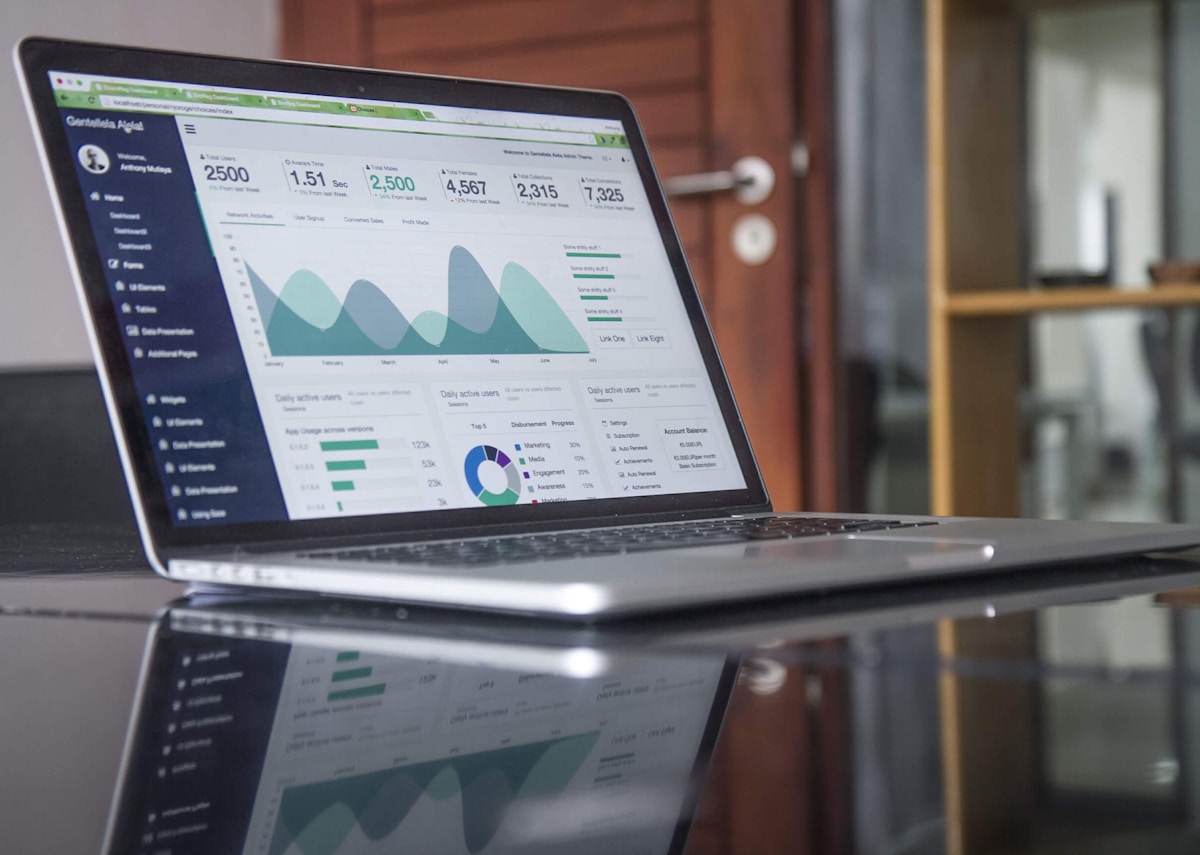
WhatsApp bulk messaging in Nepal can be done through the free WhatsApp Business App broadcast lists (up to 256 contacts) or through API-based platforms like WATI, 360dialog, and Gupshup that enable unlimited-scale messaging with personalization and analytics starting from approximately USD 10 per month.
WhatsApp Bulk Messaging in Nepal: Tools, Strategy, and Best Practices
Bulk messaging through WhatsApp has become one of the most effective marketing tactics for businesses operating in Nepal. The ability to reach thousands of customers simultaneously with personalized messages that achieve open rates exceeding 95% makes WhatsApp bulk messaging a game-changing tool for Nepali businesses of all sizes. From festival promotions during Dashain and Tihar to daily deal notifications for e-commerce platforms, bulk messaging enables businesses to communicate with their audience at scale while maintaining the personal touch that Nepali consumers expect.
This guide provides a thorough overview of WhatsApp bulk messaging in Nepal — covering the tools available, strategic frameworks for success, compliance considerations, and practical implementation steps that you can apply to your business immediately.
What Is WhatsApp Bulk Messaging
WhatsApp bulk messaging refers to the practice of sending a single message to a large number of recipients simultaneously. Unlike individual messaging, which requires manually composing and sending each message one at a time, bulk messaging tools automate the distribution process and enable businesses to reach hundreds or thousands of customers with minimal effort.
There are two primary methods for bulk messaging through WhatsApp. The first is using the built-in broadcast list feature in the WhatsApp Business App, which allows you to send a message to up to 256 contacts at once. The second is using the WhatsApp Business API through a Business Solution Provider, which removes the 256-contact limit and enables messaging at virtually unlimited scale with advanced features like personalization, scheduling, and analytics.
Broadcast Lists vs API-Based Bulk Messaging
Understanding the differences between these two approaches is essential for choosing the right method for your business needs. Broadcast lists through the WhatsApp Business App are free and simple to use, but they come with significant limitations. Recipients must have your phone number saved in their contacts to receive broadcast messages, you are limited to 256 contacts per list, there is no built-in analytics or tracking, and messages cannot be personalized beyond what you type manually.
API-based bulk messaging through a BSP eliminates these limitations. Messages are delivered regardless of whether recipients have saved your number, there is no practical limit on the number of recipients, messages can be dynamically personalized with recipient-specific information like names, order details, or location-based offers, and comprehensive analytics track delivery, read rates, and responses. For serious marketing operations in Nepal, API-based bulk messaging is the recommended approach.
Best Tools for WhatsApp Bulk Messaging in Nepal
Several tools and platforms are available to Nepali businesses for conducting WhatsApp bulk messaging campaigns. The right choice depends on your business size, technical capabilities, budget, and specific requirements.
WhatsApp Business App with Broadcast Lists
For micro and small businesses with fewer than 1,000 customers, the free WhatsApp Business App provides a practical starting point. Create multiple broadcast lists segmented by customer category, location, or purchase history. While limited in scale, this approach costs nothing beyond your time and mobile data charges, making it ideal for businesses like local restaurants in Pokhara, boutique shops in Thamel, or tutoring centers in Lalitpur that are just beginning their WhatsApp marketing journey.
WATI (WhatsApp Team Inbox)
WATI is a popular WhatsApp API-based platform that provides an intuitive web dashboard for managing bulk messaging campaigns. It offers a no-code broadcast feature that allows you to upload contact lists, create message templates, and schedule campaigns without any programming knowledge. WATI's pricing starts at approximately USD 49 per month, which includes a team inbox for collaborative customer service, automated message flows, and detailed campaign analytics. For Nepali businesses seeking a balance between capability and ease of use, WATI is an excellent choice.
360dialog with Custom Integration
For technically capable businesses or those working with development agencies, 360dialog's API combined with custom-built bulk messaging tools offers maximum flexibility and cost efficiency. You can build a custom messaging system using 360dialog's API, a contact management database, and a scheduling engine. This approach requires development investment upfront but provides the lowest per-message costs and complete control over the messaging workflow. Nepali technology companies and larger e-commerce platforms often prefer this approach.
Gupshup Campaign Manager
Gupshup provides a dedicated campaign management tool that simplifies bulk messaging for businesses without deep technical resources. The platform offers template-based messaging, audience segmentation, scheduled sending, and real-time delivery tracking. Its South Asian focus means the platform is well-optimized for businesses in Nepal and the broader region. Pricing is based on conversation volume with a monthly platform fee starting at approximately USD 10.
AiSensy
AiSensy is another WhatsApp marketing platform gaining popularity in South Asia, including among Nepali businesses. It offers a user-friendly dashboard for creating and managing bulk messaging campaigns, chatbot automation, and customer segmentation. Pricing starts at approximately USD 20 per month for up to 1,000 contacts, scaling up based on volume. The platform is particularly well-suited for small to medium Nepali businesses looking for an affordable, easy-to-use solution.
Developing a Bulk Messaging Strategy for Nepal
Having the right tools is only half the equation. A well-defined strategy ensures that your bulk messaging campaigns achieve their intended goals while respecting customer preferences and regulatory requirements.
Audience Segmentation
Effective bulk messaging begins with thoughtful audience segmentation. Rather than sending the same message to your entire contact list, divide your audience into segments based on meaningful criteria. Geographic segmentation is particularly important in Nepal, where customer preferences and needs vary significantly between the Kathmandu Valley, the Terai plains, and the hill regions. Other segmentation dimensions include purchase history, engagement level, product preferences, and customer lifecycle stage.
A clothing retailer in Nepal might create segments for customers in Kathmandu who prefer Western fashion, customers in the Terai who prefer traditional wear, customers who have purchased within the last 30 days, customers who have not engaged in over 90 days, and high-value customers who consistently make large purchases. Each segment receives tailored messages that resonate with their specific interests and needs.
Message Content and Personalization
The content of your bulk messages determines whether recipients engage or ignore your communications. Every message should provide clear value to the recipient — whether through an exclusive discount, useful information, an event invitation, or a timely reminder. Use personalization tokens to address recipients by name and reference their specific purchase history or preferences when possible.
For the Nepali market, consider the following content best practices. Write messages in the language your audience prefers — many businesses in Nepal find that mixing Nepali and English (what locals call Nepanglish) achieves the best engagement. Keep messages concise and scannable, with the most important information in the first two lines. Include a clear call to action that tells the recipient exactly what you want them to do next. Use rich media including images, videos, and product catalogs to make messages more engaging and informative.
Timing and Frequency
The timing and frequency of your bulk messages significantly impact their effectiveness. Based on analysis of messaging patterns in Nepal, the following guidelines tend to produce the best results. Weekday mornings between 9 AM and 11 AM NPT see the highest open and response rates for business communications. Evening messages between 6 PM and 8 PM work well for retail promotions and deal announcements. Avoid sending messages before 8 AM or after 9 PM, as this can irritate recipients and lead to blocks.
Regarding frequency, limit promotional bulk messages to two to three per week for active customers and one per week for less engaged contacts. During major Nepali festivals and shopping seasons, you can increase frequency slightly, but always monitor opt-out rates and customer feedback to ensure you are not over-communicating.
Compliance and Anti-Spam Measures
WhatsApp takes spam prevention seriously, and businesses that violate its policies risk having their accounts banned. Understanding and adhering to compliance requirements is essential for sustainable bulk messaging operations in Nepal.
WhatsApp Business Policy Compliance
WhatsApp requires businesses to obtain explicit opt-in consent from customers before sending promotional messages. This means customers must actively agree to receive your messages — you cannot simply add them to your messaging lists because you have their phone numbers. Implement clear opt-in mechanisms on your website, in your physical stores, and during the purchase process. Maintain records of consent for compliance purposes.
Additionally, WhatsApp monitors messaging quality through a quality rating system. Businesses with low quality ratings — indicated by high block rates or spam reports — may face restrictions on their messaging volume or complete account suspension. Monitor your quality rating regularly through your BSP dashboard and take corrective action if it declines.
Nepal's Regulatory Framework
While Nepal does not yet have comprehensive anti-spam legislation specific to WhatsApp messaging, the Electronic Transactions Act 2063 and the Individual Privacy Act 2075 establish general principles around data protection and electronic communication that apply to bulk messaging activities. Businesses should collect and store customer data responsibly, provide easy opt-out mechanisms in every promotional message, honor opt-out requests promptly and completely, and avoid deceptive or misleading message content.
Measuring Campaign Performance
Tracking and analyzing the performance of your bulk messaging campaigns enables continuous improvement and better return on investment. Key metrics to monitor include delivery rate measuring the percentage of messages successfully delivered, read rate indicating the percentage of delivered messages that recipients opened, response rate measuring how many recipients replied or took action, opt-out rate tracking how many recipients unsubscribed after receiving your message, and conversion rate measuring how many recipients completed your desired action such as making a purchase or visiting your store.
Most WhatsApp API platforms provide dashboards that track these metrics automatically. For businesses using the WhatsApp Business App with broadcast lists, manual tracking through spreadsheets or simple CRM tools is necessary. Establish baseline metrics during your first few campaigns, then set improvement targets and experiment with different message formats, timing, and content to optimize performance over time.
Cost Analysis for Nepali Businesses
Understanding the full cost of WhatsApp bulk messaging helps you budget appropriately and evaluate return on investment. For a medium-sized Nepali business sending 10,000 promotional messages per month, here is a representative cost breakdown. Platform fees range from free for WhatsApp Business App to USD 49 per month for WATI or similar platforms. Meta conversation charges at standard Nepal rates amount to approximately USD 42 per month for marketing conversations. Content creation costs for professional graphics and copy typically run NPR 10,000 to NPR 25,000 per month if outsourced. The total monthly investment ranges from NPR 8,000 for basic DIY operations to NPR 25,000 for professionally managed campaigns.
Compare this to the cost of reaching 10,000 people through Facebook advertising at approximately NPR 15,000 to NPR 30,000 with much lower engagement rates, or through SMS marketing at approximately NPR 10,000 to NPR 15,000 with lower open rates and no rich media support. WhatsApp bulk messaging offers superior engagement at competitive costs, making it one of the most efficient marketing channels available to Nepali businesses.
Conclusion
WhatsApp bulk messaging in Nepal offers businesses a powerful and cost-effective way to reach their target audiences with personalized, engaging communications. By selecting the right tools for your business size and technical capabilities, developing a strategic approach to segmentation and content, and maintaining strict compliance with WhatsApp policies and Nepali regulations, you can build a sustainable bulk messaging operation that drives real business results. Start with a small pilot campaign, measure your results carefully, and scale your efforts as you refine your approach and build confidence in this increasingly essential marketing channel.
Frequently Asked Questions
01How many messages can I send with WhatsApp broadcast lists?
WhatsApp Business App broadcast lists allow you to send a message to up to 256 contacts simultaneously. However, recipients must have your phone number saved in their contacts to receive broadcast messages. You can create multiple broadcast lists to reach more contacts, but this approach is limited in scale and lacks analytics. For larger volumes, the WhatsApp Business API removes these limitations entirely.
02What is the best time to send bulk WhatsApp messages in Nepal?
Based on messaging pattern analysis in Nepal, weekday mornings between 9 AM and 11 AM NPT achieve the highest open and response rates for business communications. Evening messages between 6 PM and 8 PM work well for retail promotions and deal announcements. Avoid sending messages before 8 AM or after 9 PM to prevent irritating recipients and reduce the risk of being blocked.
03Can my WhatsApp account get banned for bulk messaging?
Yes, WhatsApp monitors messaging quality and can restrict or ban accounts that violate its policies. High block rates, spam reports, and sending messages without proper opt-in consent can trigger quality rating declines. If your quality rating drops too low, WhatsApp may limit your messaging volume or suspend your account entirely. Always obtain explicit consent, provide opt-out mechanisms, and monitor your quality rating through your BSP dashboard.
04How much does WhatsApp bulk messaging cost in Nepal?
For a medium-sized Nepali business sending 10,000 promotional messages per month, total costs range from NPR 8,000 for basic DIY operations using the free WhatsApp Business App to approximately NPR 25,000 for professionally managed campaigns using API platforms. This includes platform fees (free to USD 49 per month), Meta conversation charges (approximately USD 42 for 10,000 marketing messages), and content creation costs if outsourced.