Unlock E-commerce Growth: Mastering Email Automation Workflows for Nepali Businesses
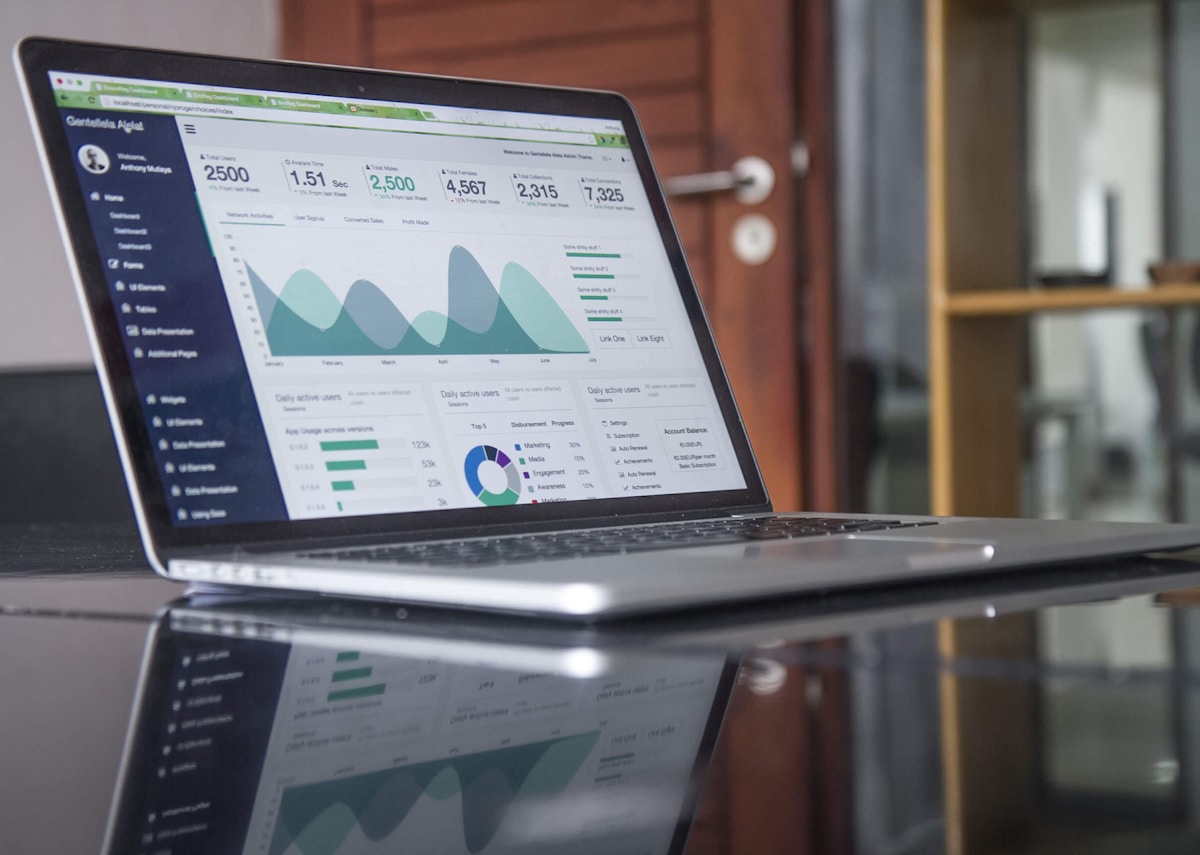
Email automation Nepal involves using software to send targeted, automated emails to customers based on their actions or predefined schedules. This strategy helps Nepali e-commerce businesses nurture leads, recover sales, and build customer loyalty efficiently.
Unlock E-commerce Growth: Mastering Email Automation Workflows for Nepali Businesses
In the rapidly evolving digital landscape of Nepal, businesses are constantly seeking innovative ways to connect with their audience and drive sales. For e-commerce ventures, particularly those operating in vibrant cities like Kathmandu, Pokhara, and Biratnagar, effectively engaging customers is paramount. This is where email automation Nepal emerges as a game-changer. By strategically implementing automated email workflows, Nepali e-commerce businesses can nurture leads, enhance customer loyalty, and ultimately achieve significant growth. This comprehensive guide will delve into the intricacies of setting up powerful email automation workflows tailored for the unique Nepali market.
Why Email Automation is Crucial for E-commerce in Nepal
The digital penetration in Nepal has seen a remarkable surge. According to a report by the Nepal Telecommunications Authority (NTA), internet users in Nepal reached over 25 million by mid-2023, with mobile internet subscriptions dominating the market. This vast digital audience presents a golden opportunity for e-commerce businesses. However, simply having an online presence isn't enough. Engaging this audience requires consistent, personalized communication. Manual email outreach is time-consuming and often inefficient, especially as a business scales. Email automation Nepal provides a scalable solution, allowing businesses to send targeted messages at the right time, without manual intervention.
Consider a scenario: a customer in Lalitpur browses your online store for trekking gear but doesn't make a purchase. Without automation, this potential sale might be lost. With a well-designed automation workflow, an abandoned cart email can be triggered automatically, reminding them of the items they left behind, perhaps with a small discount or free delivery offer. This timely nudge can significantly increase conversion rates. Furthermore, automating follow-ups, welcome emails, and post-purchase thank-yous frees up valuable resources, allowing your team to focus on strategic growth initiatives and customer service.
Benefits of Email Automation for Nepali E-commerce
- Increased Efficiency: Automate repetitive tasks like sending welcome emails, order confirmations, and promotional campaigns.
- Enhanced Personalization: Deliver highly targeted messages based on customer behavior, purchase history, and demographics.
- Improved Customer Engagement: Keep your audience informed and engaged throughout their customer journey.
- Higher Conversion Rates: Nurture leads effectively and recover lost sales through automated follow-ups.
- Better Customer Retention: Build loyalty with personalized offers and post-purchase support.
- Data-Driven Insights: Track campaign performance and gain valuable insights to optimize future strategies.
Understanding Email Automation Workflows
An email automation workflow, also known as an email drip campaign or autoresponder series, is a sequence of automated emails triggered by specific user actions or time intervals. These workflows are designed to guide potential customers through the sales funnel, from initial awareness to becoming loyal patrons. For e-commerce marketing Nepal, understanding the customer journey is key to designing effective workflows.
A typical customer journey might look like this:
- Awareness: A potential customer discovers your brand, perhaps through social media ads or search engines.
- Consideration: They browse your website, add items to their cart, or sign up for your newsletter.
- Decision: They make a purchase.
- Loyalty: They become a repeat customer and advocate for your brand.
Each stage of this journey can be supported by specific automated email sequences.
Key Components of an Email Automation Workflow
- Triggers: The event that initiates the workflow (e.g., signing up for a newsletter, abandoning a cart, making a purchase).
- Actions: The specific emails or tasks performed once a trigger is activated.
- Conditions: Rules that determine who receives which email (e.g., if a customer has purchased before, send a different offer).
- Delays: Time intervals between sending emails to avoid overwhelming the recipient.
Essential Email Automation Workflows for Nepali E-commerce
Let's explore some critical email automation workflows that can significantly boost your e-commerce marketing Nepal efforts.
1. Welcome Series
This is the first impression your brand makes on a new subscriber. A well-crafted welcome series can significantly improve engagement rates. Typically, it consists of 2-3 emails sent over a few days.
Email 1: Welcome & Introduction
Trigger: New subscriber signs up for your newsletter.
Content: A warm welcome, introduce your brand's story and mission, highlight your unique selling propositions (USPs), and offer a small incentive (e.g., 10% off their first order, free shipping). Mention popular payment methods in Nepal like eSewa and Khalti to build trust. For instance, a Kathmandu-based handicraft store could offer a discount on their first purchase of traditional Nepali artifacts.
Email 2: Showcase Popular Products/Categories
Trigger: Sent 24-48 hours after Email 1.
Content: Guide them to your best-selling products or key categories. Use high-quality images and clear calls to action (CTAs). If you sell electronics, showcase the latest smartphones or laptops popular in the Nepali market.
Email 3: Build Trust & Community
Trigger: Sent 24-48 hours after Email 2.
Content: Share customer testimonials, social proof, or information about your commitment to quality and customer service. Link to your social media profiles and encourage them to join your community. Highlight secure payment options and reliable delivery services within Nepal.
2. Abandoned Cart Recovery
This is one of the most profitable workflows for any e-commerce business. Globally, abandoned cart rates can be high, and Nepal is no exception. Recovering even a fraction of these can lead to substantial revenue increases.
Email 1: Gentle Reminder
Trigger: Customer adds items to cart but doesn't complete the purchase within a set time (e.g., 1-4 hours).
Content: A friendly reminder about the items left in their cart. Include images of the products and a direct link back to their cart. Subject line example: "Did you forget something?" or "Your cart is waiting!".
Email 2: Offer an Incentive
Trigger: Sent 24 hours after Email 1 if no purchase is made.
Content: Offer a small discount (e.g., 5-10% off) or free shipping to encourage completion. Clearly state the offer and its expiry. A Biratnagar-based online grocery store could offer a discount on essential items left in the cart.
Email 3: Last Chance/Urgency
Trigger: Sent 48-72 hours after Email 2 if no purchase is made.
Content: Create a sense of urgency. Mention limited stock or that the offer is about to expire. This email can also include related product suggestions.
3. Post-Purchase Follow-up
The customer journey doesn't end at checkout. Post-purchase emails are crucial for building loyalty and encouraging repeat business.
Email 1: Order Confirmation & Thank You
Trigger: Immediately after a successful purchase.
Content: Thank the customer for their order. Provide a summary of their purchase, order number, estimated delivery date, and tracking information (if available). Reassure them about secure payment and delivery processes. Mention accepted payment methods like eSewa or Khalti.
Email 2: Shipping Confirmation
Trigger: When the order is shipped.
Content: Inform the customer that their order is on its way. Provide tracking details and an estimated delivery time. This manages expectations and reduces customer service inquiries.
Email 3: Request for Review/Feedback
Trigger: A few days after delivery (e.g., 3-7 days).
Content: Ask the customer to review their purchased product(s). Positive reviews build social proof and help future customers make informed decisions. You could offer a small discount on their next purchase for leaving a review.
Email 4: Re-engagement/Cross-selling
Trigger: A few weeks after delivery (e.g., 2-4 weeks).
Content: Suggest complementary products based on their previous purchase or offer a loyalty discount for their next order. For instance, if someone bought a laptop, suggest accessories like a mouse or laptop bag.
4. Win-Back Campaign
Re-engaging dormant customers is often more cost-effective than acquiring new ones.
Email 1: We Miss You!
Trigger: Customer hasn't made a purchase or engaged with emails for a defined period (e.g., 90 days).
Content: A friendly email to remind them of your brand. Highlight new arrivals, special offers, or personalized recommendations based on their past behavior. Subject line: "We miss you, [Customer Name]! Here's what's new."
Email 2: Exclusive Offer
Trigger: Sent 7-14 days after Email 1 if no engagement.
Content: Offer a compelling discount or a special bundle to entice them back. This could be a significant percentage off or a free gift with purchase. Example: "A special treat just for you: 20% off your next order!"
Email 3: Last Chance / Survey
Trigger: Sent 14-21 days after Email 2 if no engagement.
Content: A final attempt to win them back, perhaps by offering a survey to understand why they haven't engaged. This feedback is invaluable. You could also offer a final, irresistible deal.
Choosing the Right Email Automation Platform for Nepal
Selecting the right platform is crucial for successful email automation Nepal. Several factors need consideration, including features, pricing, ease of use, and integration capabilities. For Nepali businesses, it's also important to consider platforms that offer competitive pricing in NPR and support local payment gateways.
Some popular global platforms offer robust automation features:
- Mailchimp: User-friendly interface, good automation capabilities, and a free plan for beginners. Paid plans offer more advanced features.
- Sendinblue (now Brevo): Offers a comprehensive suite of marketing tools including email, SMS, and chat. Generous free tier.
- ActiveCampaign: Powerful automation and CRM features, suitable for businesses looking for advanced segmentation and personalization.
- GetResponse: Known for its marketing automation, landing pages, and webinar features.
When choosing, consider:
- Pricing: Compare plans and ensure they fit your budget. Look for monthly costs in NPR. For example, a basic Mailchimp plan might cost around NPR 3,000-5,000 per month, while more advanced features on platforms like ActiveCampaign could range from NPR 8,000 upwards.
- Features: Does it support the specific workflows you need? Look for A/B testing, segmentation, and detailed analytics.
- Integrations: Can it integrate with your e-commerce platform (e.g., Shopify, WooCommerce) and other tools you use?
- Ease of Use: Is the interface intuitive for your team?
- Customer Support: Is reliable support available when you need it?
Implementing Email Automation: Best Practices for Nepal
To maximize the effectiveness of your email automation Nepal strategy, adhere to these best practices:
1. Build a Quality Email List
Never buy email lists. Focus on organic growth through website pop-ups, lead magnets (e.g., free guides, checklists related to Nepali culture or products), and social media sign-ups. Ensure compliance with any emerging data privacy regulations in Nepal.
2. Segment Your Audience
Don't send the same email to everyone. Segment your list based on demographics (location within Nepal), purchase history, engagement level, interests, and lifecycle stage. This allows for highly personalized messaging.
3. Personalize Your Content
Use merge tags to address subscribers by name. Tailor content based on their preferences and past behavior. For example, if a customer frequently buys organic products, send them emails highlighting your organic range.
4. Craft Compelling Subject Lines and Content
Your subject line is the gatekeeper. Make it catchy, relevant, and create a sense of urgency or curiosity. Ensure your email content is valuable, concise, and visually appealing. Use high-quality images relevant to the Nepali market. Keep paragraphs short and use clear CTAs.
5. Optimize for Mobile
A significant portion of internet users in Nepal access the web via mobile devices. Ensure your emails are responsive and look great on all screen sizes. Test your emails on various devices before sending.
6. Test, Analyze, and Optimize
Regularly A/B test different elements of your emails – subject lines, CTAs, content, send times. Monitor your key metrics: open rates, click-through rates (CTR), conversion rates, and unsubscribe rates. Use these insights to refine your workflows. For instance, if a particular abandoned cart email has a low recovery rate, try a different incentive or subject line.
7. Integrate with Other Marketing Channels
Combine email automation with SMS marketing (e.g., using Sparrow SMS or Ncell/Nepal Telecom services for transactional alerts) and social media campaigns for a cohesive customer experience. For example, after a purchase, send a thank-you email and a follow-up SMS with delivery updates.
Customer Journey Mapping for Targeted Workflows
Customer journey mapping is the process of visualizing the entire experience a customer has with your brand, from initial contact to post-purchase. For email automation Nepal, this map helps identify key touchpoints where automated emails can be most effective.
Consider a traveler planning a trip to Nepal. Their journey might involve:
- Discovery: Searching for "trekking in Nepal" or "Kathmandu tours" online.
- Research: Reading blogs, comparing tour operators, looking at accommodation options.
- Booking: Choosing a tour package and booking it, possibly using local payment methods.
- Pre-trip: Receiving packing lists, visa information, and itinerary details.
- During Trip: Getting updates, support, and maybe exclusive offers for future trips.
- Post-trip: Receiving a thank-you note, requesting a review, and getting offers for loyalty programs.
Each of these stages can be enhanced with targeted email automation. For example, after booking, an automated email could provide essential packing tips for trekking in the Annapurna region, increasing perceived value and customer satisfaction.
The Future of Email Automation in Nepal's E-commerce
As technology advances, so will email automation Nepal. We can expect more sophisticated personalization powered by AI, deeper integration with CRM systems, and enhanced analytics. Businesses that embrace these technologies and focus on delivering genuine value to their customers will undoubtedly lead the way in Nepal's burgeoning e-commerce sector. By mastering workflow automation and customer journey mapping, Nepali businesses can build stronger customer relationships, drive sustainable growth, and solidify their position in the digital marketplace.
Source Citations:
- Nepal Telecommunications Authority (NTA) - Internet Usage Statistics: https://nta.gov.np/statistics/ (Example URL, actual report may vary)
- Statista - Digital Market Outlook Nepal: https://www.statista.com/outlook/dmo/digital-markets/nepal (Example URL)
Frequently Asked Questions
01What is the cost of email automation services in Nepal?
Costs vary significantly based on the platform and features. Basic plans from providers like Mailchimp or Brevo can start from around NPR 3,000-5,000 per month for a limited number of contacts and sends. Advanced features on platforms like ActiveCampaign can cost NPR 8,000+ monthly. Many offer free tiers for small lists.
02Which email automation platforms are best for Nepali businesses?
Popular choices include Mailchimp, Brevo (Sendinblue), ActiveCampaign, and GetResponse. Consider platforms that offer competitive NPR pricing, good customer support, and integrations with e-commerce platforms popular in Nepal. Check if they support local payment gateways for any direct billing.
03How can I build an email list for my e-commerce store in Nepal?
Build your list organically by offering incentives like discounts on first purchases via website pop-ups, lead magnets (e.g., downloadable guides on Nepali travel or cuisine), and social media sign-up campaigns. Avoid buying email lists as it harms deliverability and engagement.
04What are the key metrics to track for email automation in Nepal?
Key metrics include Open Rate (percentage of recipients who open your email), Click-Through Rate (CTR - percentage who click a link), Conversion Rate (percentage who complete a desired action, e.g., purchase), Unsubscribe Rate, and Revenue Per Email (RPE). These help measure ROI.
05How important is mobile optimization for email marketing in Nepal?
Extremely important. A vast majority of internet users in Nepal access online content via mobile devices. Your emails must be responsive and render perfectly on smartphones to ensure high engagement and prevent users from abandoning them due to poor formatting.
06Can email automation integrate with local payment gateways like eSewa or Khalti?
Direct integration of email automation platforms with eSewa or Khalti for payment processing within the emails themselves is uncommon. However, your e-commerce website should integrate these gateways, and your automated emails can link directly to the checkout page where customers can select their preferred local payment method.
07What legal regulations should Nepali businesses be aware of for email marketing?
While Nepal's specific regulations for email marketing and data privacy are still evolving, it's best practice to adhere to international standards like GDPR. This includes obtaining clear consent before sending marketing emails, providing an easy opt-out mechanism, and being transparent about data usage.
08How can I personalize emails for customers in different cities like Kathmandu vs. Pokhara?
Segment your email list by customer location. You can then tailor content, promotions, or delivery information relevant to their specific city. For example, highlight local events or offer city-specific delivery deals. This requires collecting location data during sign-up or purchase.
09What is a 'trigger' in email automation?
A trigger is a specific action or event that initiates an automated email workflow. Examples include a customer signing up for a newsletter, abandoning their shopping cart, making a purchase, or a specific date like their birthday. This allows for timely and relevant communication.
10How can email automation help with customer retention in Nepal?
Email automation fosters retention through personalized follow-ups, loyalty programs, birthday offers, exclusive discounts for repeat customers, and gathering feedback post-purchase. Consistent, valuable communication keeps your brand top-of-mind and strengthens customer relationships.