Unlocking Success: Why Email Personalization is Crucial for Nepali Businesses
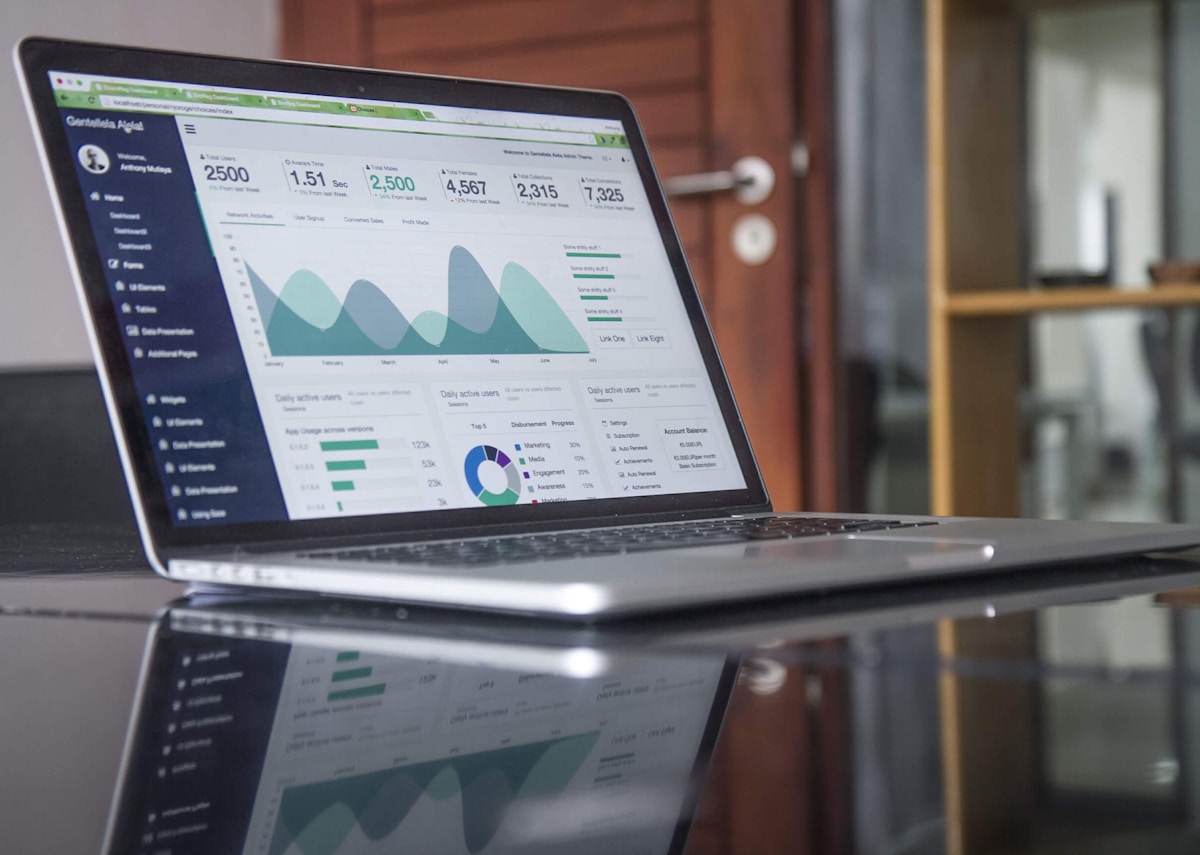
Email personalization tailors marketing emails to individual Nepal consumers based on their data (behavior, demographics, preferences). This increases relevance, engagement, and conversion rates for campaigns.
Correction, 16 September 2026: An earlier version of this article described Nepal Fillings as offering or integrating the official WhatsApp Business API. It does not. Nepal Fillings sends WhatsApp messages from a number you link by QR code, through an unofficial connection, not Meta's WhatsApp Business API. How each channel works
Unlocking Success: Why Email Personalization is Crucial for Nepali Businesses
In the dynamic landscape of digital marketing in Nepal, simply sending out generic emails is no longer enough to capture the attention of consumers. The key to standing out and driving meaningful engagement lies in email personalization. This approach involves tailoring your email content, offers, and even timing to resonate with individual recipients based on their unique preferences, behaviors, and demographics. For businesses operating in Nepal, from bustling Kathmandu to scenic Pokhara and industrial Biratnagar, understanding and implementing email personalization is not just a trend; it's a strategic imperative.
The Nepali market is characterized by a growing digital savviness. Consumers are increasingly exposed to global marketing practices and expect a more relevant and valuable experience from the brands they interact with. A study by Statista indicated that internet penetration in Nepal reached approximately 60% in 2023, with a significant portion of this access being mobile-driven. This means a large, connected audience is accessible via email, but only if the communication feels personal and pertinent. Generic blasts are easily ignored, lost in crowded inboxes. Conversely, emails that acknowledge a customer's past purchases, browsing history, or stated interests are far more likely to be opened, read, and acted upon. This is the core power of email personalization.
Understanding Your Nepal Consumers: The Foundation of Personalization
Before you can personalize, you need to understand. For Nepali businesses, this means delving into the nuances of the local consumer. What are their purchasing habits? What are their preferred communication channels? What are their aspirations and challenges? Collecting and analyzing data is the bedrock of effective email personalization. This data can be gathered through various touchpoints:
Data Collection Strategies for Nepali Businesses
- Website Analytics: Track user behavior on your website. Which products do they view? How long do they stay on certain pages? What are their search queries?
- Purchase History: Analyze past transactions. What items have they bought? How often do they purchase? What is their average order value?
- Surveys and Feedback Forms: Directly ask your customers about their preferences, interests, and pain points. This can be done via post-purchase emails or on your website.
- CRM Data: Integrate customer relationship management systems to consolidate information from various interactions, including customer service inquiries.
- Social Media Insights: While not directly email data, social media interactions can provide valuable demographic and interest-based information about your audience segments.
Consider a clothing retailer in Kathmandu. By analyzing purchase history, they might discover a segment of customers who exclusively buy traditional Nepali attire, while another segment prefers Western wear. Armed with this insight, they can personalize email campaigns. For the first group, emails showcasing new arrivals in kurtas and saris would be sent. For the second, promotions on jeans and t-shirts would be more relevant. This targeted approach dramatically increases the likelihood of conversion compared to a generic sale announcement for all customers.
Key Elements of Email Personalization in Your Campaigns
Effective email personalization goes beyond simply using a customer's first name. It involves a multi-faceted approach to make each email feel like a one-on-one conversation. Here are the key elements:
1. Dynamic Content
This is perhaps the most powerful aspect of email personalization. Dynamic content allows you to change specific sections of an email based on recipient data. For instance, an e-commerce site can display different product recommendations to different users within the same email blast. If a user has previously browsed trekking gear, the email can automatically feature new trekking boots or backpacks. If another user has shown interest in local handicrafts, the email can highlight newly stocked dhaka fabric items or Thangka paintings.
2. Personalized Subject Lines
The subject line is your first impression. Personalizing it can significantly boost open rates. This can range from using the recipient's name to referencing a specific interest or past interaction. For example:
- "[Name], Your Next Adventure Awaits!"
- "Special Offer on Trekking Gear, Just For You, [Name]"
- "Did You Forget Something? Your Cart is Waiting!"
Data from local marketing platforms often shows that personalized subject lines can increase open rates by 10-20%.
3. Segmented Email Lists
Segmentation is the process of dividing your email list into smaller groups based on shared characteristics. This is the foundation upon which personalized emails are built. Common segmentation criteria for Nepali consumers include:
- Demographics: Age, gender, location (e.g., Kathmandu Valley residents vs. those in the Terai region).
- Behavioral Data: Purchase history, website activity, email engagement (opens, clicks).
- Psychographics: Interests, lifestyle, values.
- Customer Lifecycle Stage: New subscribers, repeat customers, lapsed customers.
For example, a travel agency in Pokhara could segment its list into those interested in adventure tourism (trekking, rafting) and those interested in cultural tours (temples, heritage sites). This allows for highly relevant email campaigns.
4. Triggered Emails
These are automated emails sent in response to a specific user action or event. They are highly effective because they are timely and relevant. Examples include:
- Welcome Emails: Sent immediately after a user subscribes. Personalize with their name and perhaps an introductory offer.
- Abandoned Cart Emails: Sent when a user adds items to their cart but doesn't complete the purchase. Remind them of the items and offer a small incentive to complete the order.
- Birthday/Anniversary Emails: Acknowledge special dates with a personalized greeting and a special offer. This builds loyalty.
- Post-Purchase Follow-ups: Thank customers for their purchase, provide order details, and suggest related products or ask for a review.
A popular e-commerce platform in Nepal, like Daraz, heavily relies on triggered emails for abandoned carts and post-purchase follow-ups, significantly boosting repeat business.
Leveraging Nepal-Specific Platforms and Data for Email Personalization
To effectively implement email personalization in Nepal, businesses need to integrate with local infrastructure and understand the regulatory environment. This includes payment gateways, communication providers, and data privacy laws.
Integrating with Payment Gateways and Local Services
When offering personalized promotions, seamless payment is crucial. Integrating with popular Nepali payment gateways like eSewa and Khalti ensures that customers can easily complete their purchases. For example, a personalized discount code sent via email can be directly applied at checkout through these integrated platforms. This reduces friction and increases conversion rates.
Understanding NTA Regulations
The Nepal Telecommunications Authority (NTA) oversees telecommunications and internet services. While direct regulations on email marketing might be less stringent than for SMS, adherence to general data protection principles and consumer rights is paramount. Businesses must ensure they have explicit consent to send marketing emails and provide clear opt-out options. Transparency about data usage is key to building trust with Nepal consumers.
Choosing the Right Email Marketing Platform
Several email marketing platforms cater to the Nepali market, offering features necessary for email personalization and campaigns. Platforms like nepalfillings.com provide integrated solutions for Email, SMS, WhatsApp, Telegram, and Messenger marketing, allowing businesses to manage their communication channels from a single dashboard. These platforms often offer:
- List Management & Segmentation Tools: Easily categorize your audience.
- Drag-and-Drop Email Builders: Create visually appealing emails without coding knowledge.
- Automation Workflows: Set up triggered emails and drip campaigns.
- Analytics & Reporting: Track campaign performance (open rates, click-through rates, conversions).
- Integration Capabilities: Connect with CRMs, e-commerce platforms, and payment gateways.
Pricing for these services in Nepal is competitive, with various plans often starting from a few thousand Nepalese Rupees (NPR) per month, depending on the volume of contacts and features required. For instance, a small business might start with a plan costing NPR 2,000-5,000/month for basic email marketing features.
Case Studies: Email Personalization in Action in Nepal
Let's look at some hypothetical, yet realistic, scenarios:
Case Study 1: Fashion Boutique in Kathmandu
Business: "Chic Threads," a popular women's fashion boutique in Thamel, Kathmandu.
Challenge: High email open rates but low conversion rates on promotional emails.
Solution: Implemented email personalization using customer purchase history and browsing data.
- Segmentation: Divided customers into groups based on preferred style (e.g., ethnic wear, Western casual, formal wear) and price sensitivity.
- Personalized Content: Sent emails featuring new arrivals tailored to each segment. For example, customers who frequently bought ethnic wear received emails showcasing new designer kurtis and lehengas.
- Triggered Emails: Implemented abandoned cart emails with a 10% discount for first-time abandoners.
Result: Open rates remained high, but click-through rates increased by 30% and conversion rates by 15%. The personalized approach made customers feel understood, leading to increased sales.
Case Study 2: Adventure Tour Operator in Pokhara
Business: "Himalayan Treks & Tours," offering trekking and adventure packages from Pokhara.
Challenge: Difficulty in reaching the right audience with specific tour packages.
Solution: Leveraged customer interest data and past booking history for email personalization.
- Segmentation: Segmented lists based on previously booked tours (e.g., Annapurna Base Camp trekkers, Langtang Valley hikers) and expressed interests (e.g., paragliding, white-water rafting).
- Personalized Offers: Sent targeted emails promoting advanced trekking routes to experienced trekkers and introductory adventure sports packages to those who had inquired about them.
- Dynamic Content: Included personalized travel tips relevant to the customer's preferred region or activity within the email body.
Result: Bookings for specific packages increased by 25% as the offers directly matched customer interests. The personalized communication also fostered a sense of expertise and reliability.
Case Study 3: Electronics Retailer in Biratnagar
Business: "TechMart Nepal," an electronics store with a strong online presence serving Biratnagar and surrounding areas.
Challenge: Low engagement with general product launch announcements.
Solution: Used purchase history and website activity to personalize product recommendations and offers.
- Segmentation: Divided customers based on previous purchases (e.g., smartphone buyers, laptop buyers, home appliance purchasers).
- Personalized Recommendations: Sent emails showcasing new smartphone models to recent phone buyers, and new laptop accessories to those who recently purchased laptops.
- Behavioral Triggers: Sent follow-up emails to users who viewed specific product pages multiple times but didn't purchase, offering a small discount or highlighting key features.
Result: Click-through rates on product-specific emails jumped by 40%, and overall sales attributed to email marketing saw a 20% increase. The relevance of the recommendations drove higher purchase intent.
The Future of Email Personalization in Nepal
As technology advances and consumer expectations evolve, email personalization will only become more sophisticated in Nepal. We can expect to see greater integration with AI and machine learning to predict customer behavior and optimize campaigns in real-time. Hyper-personalization, where every element of an email is tailored to the individual, will become more accessible. Furthermore, as platforms like nepalfillings.com continue to innovate, providing more advanced tools for data analysis and campaign automation, businesses that embrace email personalization will undoubtedly lead the pack in the competitive Nepali digital market.
Investing in robust email personalization strategies is no longer optional for Nepali businesses aiming for sustainable growth. By understanding your audience, leveraging the right tools, and delivering relevant, timely, and valuable content, you can transform your email campaigns from generic messages into powerful drivers of customer loyalty and revenue. Start personalizing today and unlock the true potential of your email marketing efforts in Nepal.
For more insights into optimizing your digital marketing efforts in Nepal, explore our resources on [SMS Marketing in Nepal](/blog/sms-marketing-nepal) and [WhatsApp Marketing Strategies](/blog/whatsapp-marketing-nepal).
Frequently Asked Questions
01What is email personalization in the context of Nepal?
Email personalization in Nepal means tailoring your email marketing messages to individual Nepali consumers. This involves using their name, referencing their past interactions, purchase history, location, or stated preferences to make the email feel more relevant and engaging, increasing the chances of a positive response.
02Why is email personalization important for businesses in Nepal?
Nepali consumers are increasingly digitally savvy and expect personalized experiences. Generic emails are often ignored. Personalization helps Nepali businesses cut through the noise, build stronger customer relationships, improve open and click-through rates, and ultimately drive higher conversion rates and sales.
03What kind of data can Nepali businesses collect for email personalization?
Businesses in Nepal can collect data like customer names, email addresses, purchase history, website browsing behavior, location (city/region), stated interests (e.g., through forms), and demographic information. This data helps segment audiences for targeted campaigns.
04How can I segment my email list for Nepal consumers?
Segment your list based on demographics (age, gender, location like Kathmandu vs. Pokhara), purchase behavior (first-time buyer, loyal customer), engagement level (active vs. inactive subscribers), or specific interests (e.g., adventure travel, traditional crafts).
05Are there specific regulations in Nepal regarding email marketing?
While Nepal doesn't have a specific 'email marketing law' like GDPR, businesses must comply with general consumer protection laws and data privacy principles. Always obtain explicit consent before sending marketing emails and provide a clear opt-out mechanism, respecting NTA guidelines on communication.
06What are some examples of personalized email campaigns for Nepal?
Examples include sending a birthday discount to a loyal customer, recommending trekking gear to someone who previously bought hiking boots, or showcasing new ethnic wear arrivals to customers who prefer traditional attire. Triggered emails like abandoned cart reminders are also effective.
07Which email marketing platforms are suitable for Nepal?
Platforms like nepalfillings.com offer integrated solutions for Email, SMS, WhatsApp, and more, tailored for the Nepali market. Other international platforms with good deliverability and features can also be used, but consider local support and integration capabilities.
08How much does email personalization cost for a business in Nepal?
Costs vary depending on the platform and the size of your email list/sending volume. Basic plans on platforms like nepalfillings.com might start around NPR 2,000-5,000 per month, scaling up with more advanced features and higher contact limits.
09Can I integrate personalized emails with local payment gateways like eSewa or Khalti?
Yes, many email marketing platforms can integrate with popular Nepali payment gateways. This allows you to send personalized offers or discount codes via email that customers can seamlessly redeem at checkout when paying through eSewa or Khalti.
10What's the difference between personalization and segmentation?
Segmentation divides your audience into groups based on shared characteristics. Personalization then uses this segmentation (and individual data) to tailor the *content* of the message to each individual or segment within those groups, making the communication more specific and relevant.