SMS vs WhatsApp: Which Channel Wins for Quick Lead Capture in Nepal?
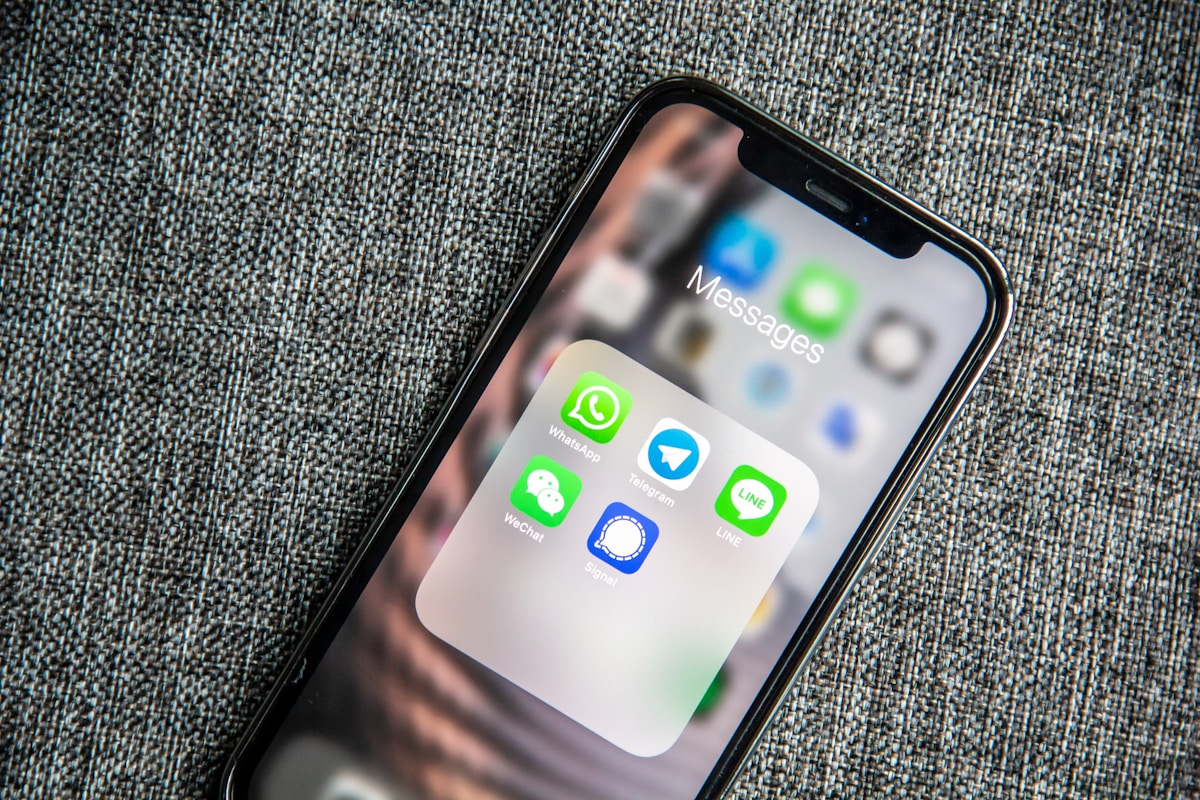
SMS vs WhatsApp for lead capture in Nepal: SMS offers broad reach to all mobile users, ideal for initial awareness. WhatsApp excels with smartphone users for interactive, personalized engagement and higher conversion rates.
SMS vs WhatsApp: Which Channel Wins for Quick Lead Capture in Nepal?
In the dynamic digital landscape of Nepal, businesses are constantly seeking the most effective channels for lead capture Nepal. Two prominent contenders vying for attention are traditional SMS marketing and the increasingly popular WhatsApp. Understanding the nuances of SMS vs WhatsApp is crucial for Nepali businesses looking to optimize their messaging marketing Nepal strategies and drive rapid customer acquisition. This article dives deep into the strengths and weaknesses of each platform, providing data-driven insights and practical advice for making the right choice for your business, whether you're based in bustling Kathmandu, scenic Pokhara, or industrial Biratnagar.
Understanding the Landscape of Messaging in Nepal
Nepal's internet penetration is steadily growing, with a significant portion of the population now online. However, mobile phone usage, particularly for basic communication like SMS, remains incredibly high. According to the Nepal Telecommunications Authority (NTA), as of mid-2023, mobile subscriptions far exceed the population, indicating a strong reliance on mobile devices for communication. This dual-pronged reality means both SMS and WhatsApp have substantial reach, but their effectiveness for specific goals like lead capture Nepal differs significantly.
SMS: The Ever-Present Backbone
Short Message Service (SMS) has been a cornerstone of mobile communication for decades. In Nepal, it's a universally accessible tool, requiring no smartphone or internet connection. This makes it a reliable channel for reaching a broad audience, including those in remote areas or using feature phones. For many Nepali businesses, especially those with a more traditional customer base or those looking for immediate, high-impact alerts, SMS remains a go-to option.
WhatsApp: The Interactive Revolution
WhatsApp, on the other hand, has witnessed explosive growth in Nepal. Its user-friendly interface, rich media capabilities, and perceived lower cost per message (often bundled with data plans) have made it a preferred communication tool for a vast majority of smartphone users. For businesses, WhatsApp Business API offers advanced features for customer interaction, automation, and crucially, efficient lead capture Nepal through engaging conversations.
Key Factors for Lead Capture: SMS vs WhatsApp
When it comes to capturing leads, the objective is to initiate a conversation, gather information, and guide potential customers towards a sale. Let's break down how SMS vs WhatsApp stack up:
1. Reach and Accessibility
- SMS: Universal reach. Reaches virtually all mobile phone users in Nepal, regardless of smartphone ownership or internet connectivity. Ideal for broad announcements and reaching older demographics or those in areas with poor internet.
- WhatsApp: High reach among smartphone users. While penetration is high, it excludes feature phone users and those without consistent data access. However, for the 70%+ of Nepali internet users on smartphones, it's the primary communication app.
2. Engagement and Interactivity
- SMS: Generally low engagement. SMS is often used for transactional messages or one-way communication. Response rates can be lower, and it lacks the rich media to create engaging experiences.
- WhatsApp: High engagement. Its conversational nature encourages two-way communication. Businesses can send rich media (images, videos, documents), use quick replies, and create interactive menus to guide users, making lead capture Nepal more dynamic.
3. Cost-Effectiveness (for Lead Generation)
- SMS: Can be cost-effective for mass blasts, but per-message costs can add up, especially for personalized or interactive campaigns. Services like Sparrow SMS offer competitive rates, often starting from NPR 0.50 - NPR 1.00 per message depending on volume.
- WhatsApp: WhatsApp Business API comes with per-conversation pricing, which can be cost-effective for high-value interactions. However, initial setup and integration might involve higher upfront costs. For smaller businesses, the free WhatsApp Business App offers basic features.
4. Personalization and Rich Media
- SMS: Limited personalization. Primarily text-based, with character limits. Personalization is usually limited to inserting names.
- WhatsApp: Highly personalizable. Supports rich media, allowing businesses to showcase products, share detailed information, and create a more engaging experience. This is a significant advantage for lead capture Nepal where visual appeal can be crucial.
5. Data Capture and CRM Integration
- SMS: Basic data capture. Information is usually collected via replies, which can be unstructured and difficult to parse. Integration with CRM systems might require custom development or specific gateway features.
- WhatsApp: Advanced data capture. WhatsApp Business API allows for structured data collection through interactive menus, chatbots, and forms. Seamless integration with CRM platforms like Salesforce or even local Nepali CRM solutions is more feasible, streamlining the lead capture Nepal process.
When to Choose SMS for Lead Capture in Nepal
Despite WhatsApp's rise, SMS still holds its ground for specific lead generation scenarios in Nepal:
- Broad Awareness Campaigns: Announcing a new product launch or a limited-time offer to a massive audience across all mobile users.
- Urgent Alerts & Notifications: For time-sensitive promotions where immediate visibility is key, and you need to ensure the message is seen even without internet.
- Reaching Non-Smartphone Users: Targeting demographics or regions where smartphone penetration is low.
- Simple Lead Forms: Collecting basic information like name and contact number through SMS replies for straightforward lead generation.
- Fallback Channel: Using SMS as a backup to reach users who might not have WhatsApp installed or are experiencing data issues.
For instance, a real estate developer in Kathmandu launching a new apartment complex might use SMS to send a broadcast message about an upcoming open house to a purchased list of potential buyers, asking them to reply with 'INFO' to receive a brochure link. This leverages SMS's broad reach for initial awareness.
When to Choose WhatsApp for Lead Capture in Nepal
WhatsApp is the clear winner for more interactive and conversion-focused lead generation efforts:
- Interactive Product Inquiries: Allowing potential customers to ask questions about products or services and receive detailed, multimedia responses.
- Personalized Consultations: Offering direct chat support or booking consultation slots via WhatsApp. This is highly effective for service-based businesses in cities like Pokhara catering to tourists or local entrepreneurs.
- Lead Qualification Chatbots: Implementing chatbots to ask qualifying questions, segment leads, and route them to the appropriate sales team.
- Collecting Detailed Information: Gathering more comprehensive lead data through interactive menus, forms within the chat, or document sharing.
- Building Customer Relationships: Fostering a more personal connection with leads through ongoing conversations, which is crucial for higher-value sales.
Consider a travel agency in Pokhara wanting to capture leads for trekking packages. They could run a Facebook ad that clicks to WhatsApp. A chatbot then greets the user, asks about their preferred trek duration and difficulty, and shares relevant package details with images and videos. This interactive approach is far more effective for qualifying leads than a simple SMS reply.
Leveraging Hybrid Strategies for Optimal Lead Capture
The most effective messaging marketing Nepal strategies often involve a hybrid approach, utilizing the strengths of both SMS and WhatsApp:
1. Initial Outreach via SMS, Follow-up via WhatsApp
Start with a broad SMS campaign to announce a special offer. Include a call-to-action for interested leads to 'Chat on WhatsApp for details' with a provided link. This captures initial interest via SMS and then moves engaged leads to the more interactive WhatsApp platform for deeper engagement and conversion.
2. Using SMS for Verification, WhatsApp for Communication
For online services or e-commerce, use SMS to send One-Time Passwords (OTPs) for verification (a common practice in Nepal with platforms like eSewa and Khalti). Once verified, prompt users to connect on WhatsApp for customer support or further communication. This builds trust and provides a seamless user journey.
3. Targeted Campaigns Based on User Data
Segment your audience. If you know a segment primarily uses smartphones and is likely active on WhatsApp, prioritize WhatsApp campaigns. For older demographics or those in areas with limited internet, SMS might be the primary channel. This data-driven approach ensures your message reaches the right people on their preferred platform.
Choosing the Right Platforms in Nepal
When implementing your SMS vs WhatsApp strategy in Nepal, consider the platforms you'll use:
- SMS Gateways: Reputable providers like Sparrow SMS, Message Nepal, or others offer APIs and dashboards for sending bulk SMS. Compare their pricing (often in NPR per message based on volume) and features like sender ID customization.
- WhatsApp Business API Providers: For advanced WhatsApp marketing, you'll need to work with official Business Solution Providers (BSPs). These providers help with API integration, chatbot development, and campaign management.
- Payment Gateways: Ensure your chosen platform integrates with popular Nepali payment gateways like eSewa or Khalti if you plan to facilitate transactions directly from your marketing campaigns.
The Future of Messaging for Lead Capture in Nepal
As digital adoption continues in Nepal, the lines between channels will blur further. However, the fundamental differences in reach, interactivity, and user behavior will likely persist. For businesses aiming for quick and effective lead capture Nepal, understanding the strengths of SMS vs WhatsApp is paramount. SMS offers unparalleled reach for initial awareness, while WhatsApp excels in driving engagement and conversions through personalized, interactive conversations. By strategically combining these channels, Nepali businesses can create powerful marketing campaigns that resonate with their target audience and deliver tangible results.
Ultimately, the 'winner' in the SMS vs WhatsApp debate for lead capture Nepal isn't about one channel replacing the other, but about understanding when and how to deploy each for maximum impact. A well-rounded messaging marketing Nepal strategy will likely incorporate both, leveraging their unique advantages to build stronger customer relationships and drive business growth across the nation.
Frequently Asked Questions
01What is the primary advantage of SMS for lead capture in Nepal?
The primary advantage of SMS for lead capture in Nepal is its universal reach. It can reach virtually all mobile phone users, including those without smartphones or internet access, making it ideal for broad awareness campaigns and reaching diverse demographics across the country.
02How does WhatsApp improve lead capture compared to SMS in Nepal?
WhatsApp improves lead capture by offering rich media, interactive features, and a conversational interface. This allows for more personalized engagement, detailed product showcasing, and efficient lead qualification through chatbots or direct messaging, leading to higher conversion rates among smartphone users.
03Is SMS marketing still relevant for Nepali businesses?
Yes, SMS marketing remains highly relevant for Nepali businesses, especially for reaching a wide audience quickly, sending urgent notifications, and connecting with users who may not use smartphones or have consistent internet access. It's a reliable channel for basic communication.
04What are the typical costs associated with SMS marketing in Nepal?
SMS marketing costs in Nepal vary based on volume and provider. Prices can range from approximately NPR 0.50 to NPR 1.00 per message for bulk services from providers like Sparrow SMS. Higher volumes usually secure lower per-message rates.
05Does WhatsApp Business API have associated costs in Nepal?
Yes, WhatsApp Business API typically operates on a per-conversation basis, charged by Meta and potentially by the Business Solution Provider (BSP). Costs depend on the conversation type (user-initiated vs. business-initiated) and duration. The free WhatsApp Business App has limitations.
06Can I use both SMS and WhatsApp for a single campaign in Nepal?
Absolutely. A hybrid approach is often most effective. You can use SMS for initial broad outreach and then direct interested leads to WhatsApp for more detailed interaction and conversion, or use SMS for OTP verification and WhatsApp for subsequent communication.
07Which channel is better for capturing leads for e-commerce in Nepal?
For e-commerce in Nepal, WhatsApp is generally better for capturing leads due to its interactive nature, ability to share product images/videos, and facilitate quick customer service inquiries. SMS can be used for order confirmations or OTPs.
08Are there specific regulations for messaging marketing in Nepal?
Yes, the Nepal Telecommunications Authority (NTA) oversees telecommunications and messaging services. Businesses must comply with regulations regarding unsolicited messages, user consent, and data privacy. It's crucial to partner with compliant messaging providers.
09How can I integrate lead capture with payment gateways like eSewa or Khalti?
You can integrate payment gateways by including direct payment links within your WhatsApp messages or SMS. For WhatsApp, this can be part of a chatbot flow. For SMS, it would be a clickable link. Ensure your messaging platform supports link tracking and integrates with these Nepali payment solutions.
10Which cities in Nepal are best suited for WhatsApp marketing?
WhatsApp marketing is highly effective in urban and semi-urban centers with high smartphone penetration and internet access, such as Kathmandu, Pokhara, Lalitpur, Bhaktapur, Biratnagar, and Butwal. However, its reach is expanding nationwide as smartphone adoption grows.