SMS Marketing Strategy for Travel Agencies in Nepal
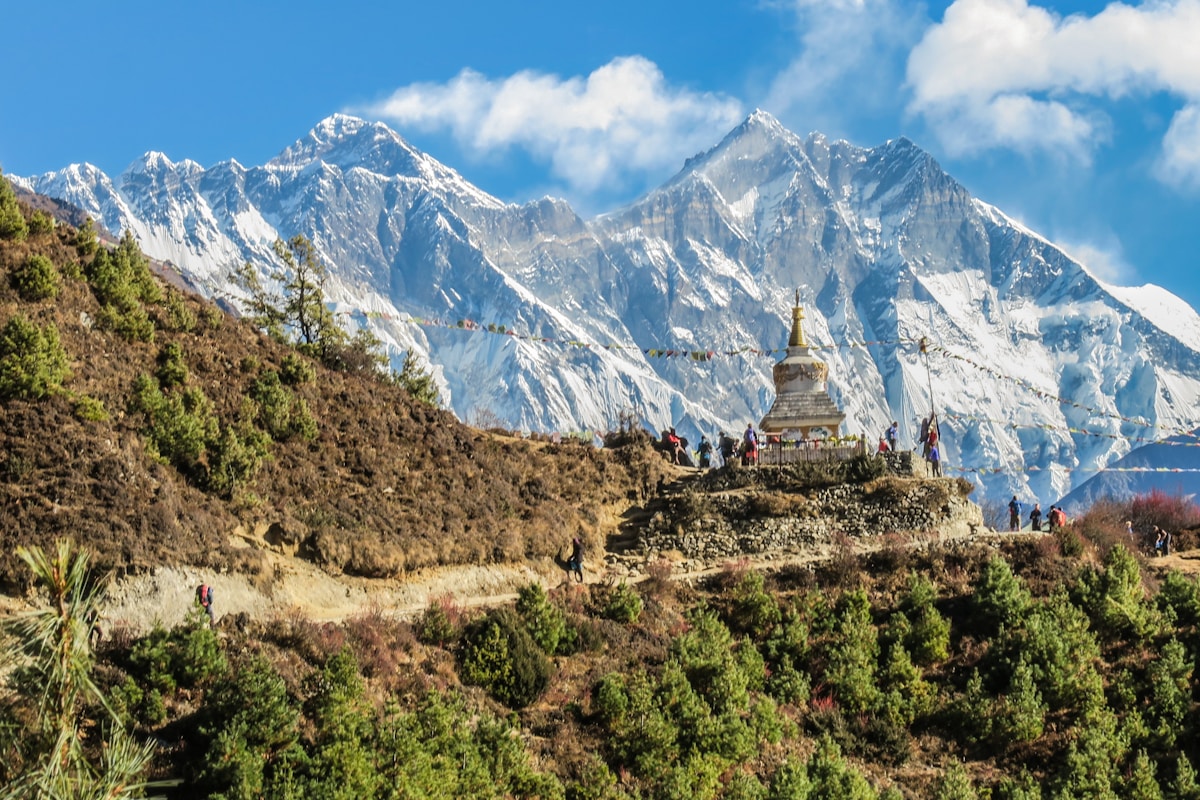
Travel agencies in Nepal can use SMS marketing to send seasonal promotions, booking confirmations, last-minute deals, and customer feedback requests to boost engagement and drive bookings across peak trekking seasons.
SMS Marketing Strategy for Travel Agencies in Nepal
Nepal is a destination that attracts hundreds of thousands of international tourists and domestic travelers every year. From the towering peaks of the Himalayas to the cultural richness of Kathmandu Valley, travel agencies across the country play a crucial role in connecting visitors with unforgettable experiences. In this competitive landscape, SMS marketing has emerged as one of the most effective communication channels for travel agencies looking to engage customers, boost bookings, and build lasting relationships.
With mobile penetration exceeding 140 percent in Nepal and the Nepal Telecommunications Authority reporting over 40 million active mobile subscriptions, text messaging offers unparalleled reach. Unlike email or social media, SMS boasts open rates above 98 percent, ensuring that promotional messages, booking confirmations, and travel updates are actually seen by recipients. For travel agencies operating in Nepal, this means the ability to communicate with clients reliably — even in remote areas where internet connectivity may be limited.
Why Travel Agencies in Nepal Need SMS Marketing
The travel industry in Nepal is highly seasonal, with peak trekking seasons in autumn and spring driving the majority of bookings. Travel agencies must be strategic about when and how they communicate with potential customers. SMS marketing provides a direct line of communication that cuts through the noise of crowded inboxes and social media feeds.
Several factors make SMS marketing particularly valuable for Nepali travel agencies:
- Instant delivery ensures time-sensitive offers reach customers before they book with competitors
- High open rates mean promotional messages are almost guaranteed to be read within minutes
- SMS works on all mobile devices, including basic feature phones common in rural Nepal
- Cost-effective pricing makes it accessible for small and mid-sized travel agencies
- Two-way messaging enables real-time customer support during treks and tours
- Personalization capabilities allow agencies to send targeted offers based on customer preferences
Building Your SMS Subscriber List
The foundation of any successful SMS marketing strategy is a quality subscriber list. Travel agencies in Nepal can build their SMS database through multiple touchpoints. Collecting phone numbers during the booking process is the most straightforward approach. Every customer who books a trek, tour, or travel package should be asked for consent to receive SMS updates and promotions.
Website opt-in forms are another effective channel. Adding a simple SMS subscription widget to your travel agency website allows visitors to sign up for exclusive deals and travel tips. Make sure to highlight the value proposition — whether it is early access to seasonal discounts, last-minute trek availability, or destination guides delivered directly to their phones.
Social media platforms like Facebook, which is widely used in Nepal, can also drive SMS subscriptions. Running targeted campaigns that encourage followers to text a keyword to a short code can rapidly grow your subscriber base. For example, a campaign asking users to text TREK to a designated number can capture leads who are actively interested in trekking packages.
Segmenting Your Audience
Not all travelers are the same, and your SMS strategy should reflect that reality. Segmenting your subscriber list allows you to send relevant messages to different groups. Common segments for Nepali travel agencies include international tourists, domestic travelers, adventure seekers, cultural tourists, luxury travelers, and budget backpackers.
By tagging subscribers based on their interests, travel history, and demographics, you can craft messages that resonate with each group. An international trekker interested in Everest Base Camp will respond differently to promotions than a domestic traveler looking for a weekend getaway to Pokhara. Effective segmentation increases engagement rates and reduces the likelihood of subscribers opting out.
Crafting Effective SMS Campaigns for Travel
The limited character count of SMS messages requires travel agencies to be concise and compelling. Every message should have a clear purpose, a strong call to action, and a sense of urgency when appropriate. Here are proven SMS campaign types for travel agencies in Nepal:
Seasonal Promotions
Nepal travel is heavily influenced by seasons. Sending promotional messages ahead of peak trekking seasons can capture early bookings. A well-timed SMS in August promoting autumn trekking packages can drive significant revenue. Include specific offers, such as percentage discounts or complimentary services, to motivate action.
Booking Confirmations and Reminders
Transactional SMS messages that confirm bookings, send itinerary details, and provide pre-departure reminders add professionalism to your service. These messages reduce no-shows and ensure travelers are well-prepared. Include essential details like departure times, meeting points, and emergency contact numbers.
Last-Minute Deals
Travel agencies often have unsold inventory as departure dates approach. SMS is the perfect channel for last-minute deals because of its immediacy. A message offering a 20 percent discount on an Annapurna Circuit trek departing in three days can fill empty spots quickly and recover revenue that would otherwise be lost.
Customer Feedback Requests
After a trek or tour is completed, sending an SMS requesting feedback shows customers that you value their experience. Keep the message short and include a link to a simple review form. Positive reviews can be leveraged for future marketing, while constructive criticism helps improve your services.
Compliance and Best Practices in Nepal
Operating SMS marketing campaigns in Nepal requires adherence to regulations set by the Nepal Telecommunications Authority. Travel agencies must obtain explicit consent before sending promotional messages. This typically involves having customers opt in through a clear and transparent process during booking or through an online form.
Best practices for SMS marketing compliance include:
- Always include an opt-out option in promotional messages, such as replying STOP to unsubscribe
- Maintain accurate records of subscriber consent for audit purposes
- Respect sending frequency limits to avoid annoying customers and triggering complaints
- Send messages during appropriate hours, generally between 8 AM and 8 PM Nepal Standard Time
- Clearly identify your travel agency in every message so recipients know who is contacting them
- Keep subscriber data secure and never share phone numbers with third parties without consent
Integrating SMS with Other Marketing Channels
SMS marketing works best when integrated with your broader marketing strategy. Travel agencies in Nepal should consider combining SMS with email marketing, social media campaigns, and their website to create a cohesive customer journey.
For example, you might use social media advertising to generate initial interest in a new trekking package, then capture phone numbers through a landing page, and follow up with an SMS series that includes a welcome message, detailed package information, and a limited-time booking incentive. This multi-channel approach ensures that potential customers encounter your message at multiple touchpoints, increasing the likelihood of conversion.
Integrating SMS with your booking management system allows for automated transactional messages. When a customer completes a booking on your website, the system can automatically send a confirmation SMS, followed by reminder messages at predefined intervals before the departure date. This automation reduces manual workload while maintaining consistent communication.
Measuring SMS Campaign Performance
Tracking the performance of your SMS campaigns is essential for continuous improvement. Key metrics to monitor include delivery rates, open rates, click-through rates for messages containing links, conversion rates, and opt-out rates. Most SMS platforms provide analytics dashboards that make it easy to track these metrics.
For travel agencies in Nepal, conversion tracking is particularly important. By using unique promotional codes or tracking links in your SMS messages, you can directly attribute bookings to specific campaigns. This data helps you understand which types of messages, offers, and sending times generate the best results, allowing you to refine your strategy over time.
A/B Testing Your Messages
Testing different versions of your SMS messages can reveal valuable insights. Try varying the offer amount, call-to-action wording, message length, and sending time. For instance, test whether a percentage discount outperforms a fixed amount discount for your Everest Base Camp packages. Over time, these tests help you optimize every aspect of your SMS campaigns for maximum effectiveness.
SMS Marketing Tools for Nepali Travel Agencies
Several SMS marketing platforms support Nepali businesses, including Sparrow SMS, Aakash SMS, and international platforms with local integrations. When choosing a platform, travel agencies should consider factors like delivery reliability across Nepali telecom networks (NTC, Ncell, and Smart Telecom), API availability for integration with booking systems, pricing structure, and customer support quality.
Platforms that offer features specifically useful for travel agencies include scheduled messaging for pre-departure reminders, template management for recurring campaign types, contact segmentation tools, and detailed analytics reporting. The ability to send messages in both English and Nepali is also important for reaching diverse customer segments.
Real-World SMS Strategy for a Nepali Travel Agency
Consider a mid-sized travel agency based in Thamel, Kathmandu, that specializes in trekking and cultural tours. Their SMS marketing strategy might follow this timeline: In July and August, send early-bird promotions for autumn trekking season to previous customers and new subscribers. In September, share last-minute availability updates and weather forecasts for popular routes. During October and November peak season, send daily trek status updates, safety alerts, and cross-sell additional services like porters or equipment rental.
During the off-season from December to February, the agency can maintain engagement by sending travel tips, destination spotlights for lower-altitude trips, and loyalty rewards to repeat customers. In March, the cycle begins again with spring trekking promotions. This year-round approach keeps the agency top of mind and drives consistent bookings throughout the calendar.
Conclusion
SMS marketing offers travel agencies in Nepal a powerful, cost-effective, and reliable way to connect with customers in a market where mobile communication dominates daily life. By building a quality subscriber list, segmenting audiences, crafting compelling messages, and measuring results, travel agencies can increase bookings, improve customer satisfaction, and gain a competitive edge. The key is to treat SMS as an integral part of your overall marketing strategy rather than a standalone channel, ensuring every message adds value to the traveler experience from initial inquiry through post-trip follow-up.
Frequently Asked Questions
01What is the best SMS marketing strategy for travel agencies in Nepal?
The best SMS marketing strategy for travel agencies in Nepal includes building a segmented subscriber list, sending seasonal promotions ahead of peak trekking seasons, automating booking confirmations and pre-departure reminders, offering last-minute deals to fill unsold inventory, and integrating SMS with email and social media for a cohesive multi-channel approach.
02How can travel agencies in Nepal build an SMS subscriber list?
Travel agencies in Nepal can build an SMS subscriber list by collecting phone numbers during the booking process with explicit consent, adding opt-in forms to their website, running social media campaigns with text-to-subscribe keywords, and offering incentives like early access to seasonal discounts or exclusive travel tips in exchange for mobile number registration.
03What types of SMS campaigns work best for Nepal tourism businesses?
The most effective SMS campaign types for Nepal tourism businesses include seasonal trekking promotions sent before autumn and spring peaks, booking confirmation and itinerary messages, last-minute deal alerts for unsold trek slots, weather and safety updates during active treks, cross-sell messages for additional services like porters and equipment, and post-trip feedback requests.
04What are the SMS marketing compliance requirements in Nepal for travel agencies?
Travel agencies in Nepal must comply with Nepal Telecommunications Authority regulations by obtaining explicit opt-in consent before sending promotional SMS messages, including an opt-out option such as STOP in every promotional message, sending messages only during appropriate hours between 8 AM and 8 PM Nepal Standard Time, clearly identifying the business in each message, and maintaining secure records of subscriber consent.