SMS Marketing Automation in Nepal Businesses
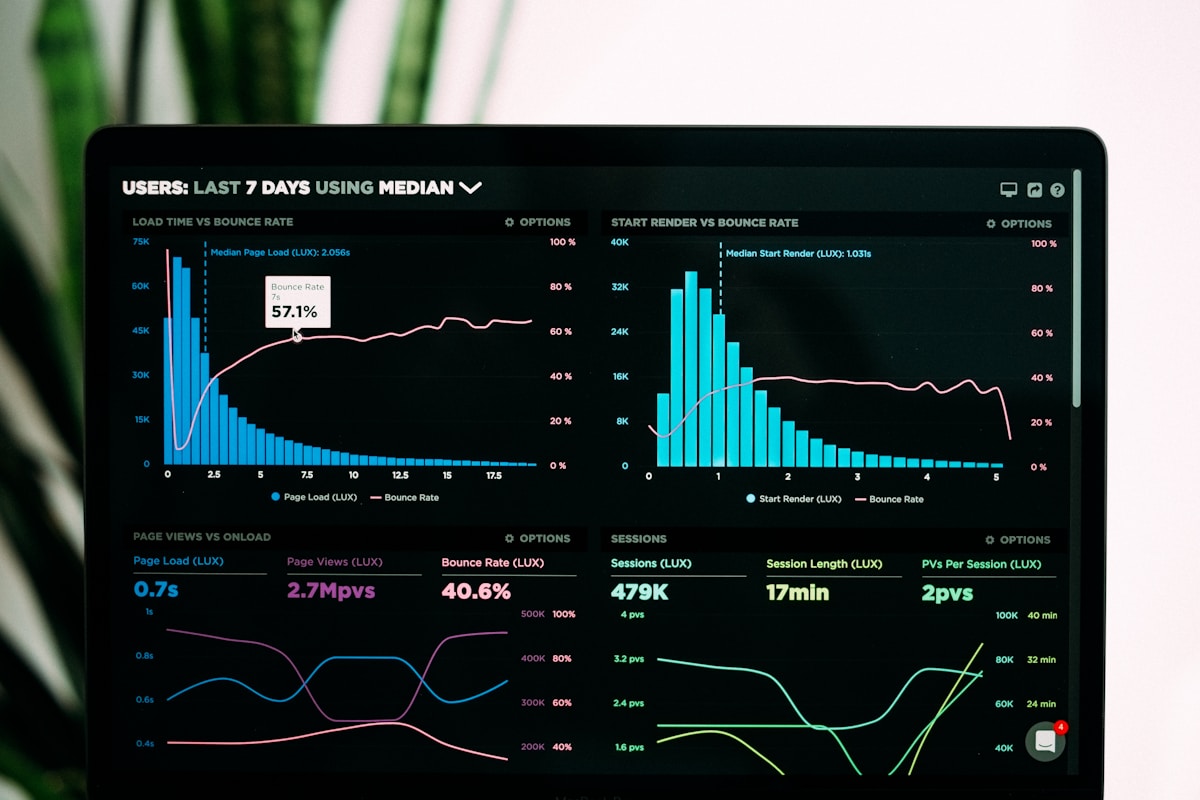
SMS marketing automation allows Nepali businesses to send trigger-based messages automatically for welcome sequences, transactional notifications, re-engagement campaigns, and drip campaigns using API-connected platforms like Sparrow SMS.
SMS Marketing Automation in Nepal Businesses
SMS marketing automation is transforming how businesses in Nepal communicate with their customers. By replacing manual message sending with intelligent, trigger-based systems, Nepali companies can deliver the right message to the right person at the right time — without requiring constant human oversight. From automated welcome sequences for new subscribers to event-triggered notifications and drip campaigns, SMS automation empowers businesses of all sizes to scale their communication efforts while maintaining a personal touch.
In a market where over 40 million mobile subscriptions exist and internet penetration remains uneven across urban and rural areas, SMS continues to be the most universally accessible digital communication channel in Nepal. Automation takes this inherent advantage and multiplies it by ensuring consistent, timely, and relevant messaging that drives customer engagement, increases conversions, and builds long-term loyalty. This guide explores everything Nepali businesses need to know about implementing SMS marketing automation effectively.
What Is SMS Marketing Automation
SMS marketing automation refers to the use of software systems that send text messages automatically based on predefined triggers, schedules, or customer behaviors. Instead of manually composing and sending each message, businesses configure workflows that run continuously in the background, responding to customer actions in real time.
Common examples of automated SMS include welcome messages sent immediately when a new customer signs up, birthday greetings with special discount codes, abandoned cart reminders for e-commerce businesses, appointment reminders for clinics and salons, payment due date notifications for subscription services, and follow-up messages after a purchase or service interaction. Each of these messages is configured once and then sent automatically to every customer who meets the trigger conditions.
Why Nepali Businesses Need SMS Automation
The business landscape in Nepal presents unique challenges that make SMS automation particularly valuable. Many small and medium enterprises operate with limited marketing staff, making it impractical to manually manage communication with a growing customer base. Automation solves this resource constraint by handling repetitive messaging tasks without additional labor costs.
Several factors drive the adoption of SMS automation in Nepal:
- Limited marketing staff in most Nepali SMEs makes manual messaging unsustainable as customer lists grow
- Customers expect instant responses and timely updates that only automation can deliver consistently
- Seasonal business patterns in tourism, agriculture, and retail require pre-planned campaign sequences
- Competition is increasing across sectors, and businesses that respond faster win more customers
- Cost efficiency improves dramatically when automated systems replace manual processes
- Consistency in messaging quality and timing builds professional brand perception
Automation vs. Manual SMS Marketing
The difference between manual and automated SMS marketing becomes stark as your business scales. A restaurant in Kathmandu sending manual SMS reminders about weekend specials to 50 regular customers can manage the workload. But when that list grows to 5,000 subscribers across multiple locations, manual messaging becomes impossible without errors, delays, and missed opportunities.
Automated systems handle this scale effortlessly. They send messages within seconds of a trigger event, maintain consistent quality across thousands of messages, personalize content for each recipient, and track delivery and engagement metrics automatically. The initial investment in setting up automation workflows pays for itself many times over through improved efficiency and better customer response rates.
Types of SMS Automation Workflows
Nepali businesses can implement various types of SMS automation workflows depending on their industry and customer communication needs. Understanding these workflow types helps you identify the most impactful automations to implement first.
Welcome and Onboarding Sequences
When a new customer signs up, makes their first purchase, or subscribes to your SMS list, an automated welcome sequence introduces them to your business. A typical onboarding workflow for a Nepali e-commerce store might include an immediate welcome message with a first-purchase discount code, a follow-up message two days later highlighting popular product categories, and a third message a week later inviting them to join a loyalty program. This sequence runs automatically for every new customer without any manual intervention.
Transactional Notifications
Transactional SMS automation is perhaps the most widely used form of SMS automation in Nepal. Banks send automated balance alerts and transaction confirmations. E-commerce platforms send order confirmations, shipping updates, and delivery notifications. Ride-sharing services send driver assignment and arrival alerts. These messages are triggered by specific events in your business system and provide customers with critical information they need in the moment.
Re-engagement Campaigns
Customers who have not interacted with your business for a defined period can be automatically enrolled in a re-engagement campaign. These automated messages might offer a special discount to win back lapsed customers, share new product announcements, or simply ask if the customer would like to continue receiving messages. Re-engagement automations help Nepali businesses maximize the lifetime value of their customer base.
Drip Campaigns
Drip campaigns send a series of messages at predetermined intervals to nurture leads toward a desired action. A real estate agency in Kathmandu might create a drip campaign for potential property buyers that sends information about available listings, neighborhood guides, mortgage tips, and viewing invitations over several weeks. Each message builds on the previous one, gradually moving the prospect closer to a purchase decision.
Event-Triggered Messages
These automations fire when a specific customer action or business event occurs. Examples include appointment reminders sent 24 hours before a scheduled visit, cart abandonment messages sent one hour after a customer leaves items in their online shopping cart, payment failure notifications with retry instructions, and milestone celebrations like anniversary messages for long-term customers.
Setting Up SMS Automation in Nepal
Implementing SMS marketing automation requires three core components: an SMS gateway provider with API capabilities, an automation platform or custom-built system, and a customer data source such as a CRM or database. Here is a step-by-step guide to getting started.
Step 1 — Choose Your Technology Stack
For most Nepali businesses, the technology stack for SMS automation includes a bulk SMS provider like Sparrow SMS or Aakash SMS that offers API access, a customer relationship management system to store customer data and track interactions, and either a marketing automation platform or custom code to define and execute workflows. Smaller businesses might use platforms like HubSpot or Zoho that offer built-in SMS automation when connected to a local SMS provider through an API integration.
Step 2 — Define Your Automation Workflows
Before writing any code or configuring any platform, map out your automation workflows on paper. Identify the trigger event that starts the workflow, the conditions that determine which branch of the workflow to follow, the specific messages to send at each step, the timing between messages, and the exit conditions that stop the workflow. Clear workflow documentation prevents confusion during implementation and makes future modifications easier.
Step 3 — Create Message Templates
Write the actual SMS messages for each step in your automation workflows. Keep messages concise, include personalization tokens like the customer name or order number, and ensure every promotional message includes an opt-out option. In Nepal, messages can be written in English, Nepali, or a mix of both depending on your target audience. Test your templates with a small group before activating them for your full subscriber base.
Step 4 — Implement and Test
Build your automation workflows in your chosen platform and test every path thoroughly. Send test messages to internal team members, verify that triggers fire correctly, check that personalization tokens resolve properly, and confirm that timing delays work as expected. Testing in a sandbox environment before going live protects your brand reputation and prevents customers from receiving incorrect or poorly timed messages.
Industry-Specific Automation Examples in Nepal
Different industries in Nepal can leverage SMS automation in unique ways tailored to their business models and customer expectations.
Banking and Financial Services
Nepali banks and financial institutions use SMS automation extensively for transaction alerts, balance notifications, loan payment reminders, and fraud detection alerts. Automated messages improve security by immediately notifying customers of account activity and reduce call center volume by proactively providing information that customers would otherwise call to request.
Healthcare and Clinics
Hospitals and clinics in Nepal automate appointment reminders, medication adherence messages, lab result notifications, and health tips for patients with chronic conditions. Automated appointment reminders alone can reduce no-show rates by 30 to 40 percent, recovering significant revenue for healthcare providers.
E-commerce and Retail
Online stores and retail chains in Nepal automate order lifecycle messages from purchase confirmation through delivery notification. Post-purchase automation including review requests, cross-sell recommendations, and replenishment reminders drives repeat purchases and increases customer lifetime value.
Education
Schools, colleges, and training institutes in Nepal use SMS automation for attendance notifications to parents, exam schedule reminders, fee payment alerts, and result announcements. These automations improve communication between educational institutions and families while reducing administrative workload.
Measuring Automation Performance
Tracking the performance of your SMS automation workflows is essential for optimization. Key metrics include delivery rate, which measures the percentage of messages successfully delivered; response rate, which tracks customer replies or actions taken after receiving a message; conversion rate, which measures the percentage of recipients who complete the desired action; and opt-out rate, which indicates subscriber satisfaction with your messaging frequency and content.
Set up analytics dashboards that display these metrics for each automation workflow. Compare performance across workflows to identify which ones drive the most value. Monitor trends over time to detect declining engagement that might signal message fatigue. Use A/B testing to optimize message content, timing, and frequency within your automated workflows.
Common Challenges and Solutions
Nepali businesses implementing SMS automation often face challenges including inconsistent API connectivity, difficulty integrating with legacy business systems, managing opt-out compliance across multiple workflows, and ensuring message delivery during network congestion. Solutions include implementing robust error handling with retry logic, using middleware platforms that bridge modern APIs with older systems, centralizing opt-out management in a single database that all workflows reference, and working with SMS providers that offer priority routing for time-sensitive messages.
Conclusion
SMS marketing automation represents a significant opportunity for Nepali businesses to improve customer communication while reducing operational overhead. By implementing trigger-based workflows, businesses can deliver personalized, timely messages that drive engagement and conversions at scale. The technology and service providers needed to implement SMS automation are readily available in Nepal, making it accessible for businesses ranging from small retail shops to large financial institutions. Start with one or two high-impact workflows, measure results, and expand your automation strategy as you gain confidence and see positive returns on your investment.
Frequently Asked Questions
01What is SMS marketing automation and how does it work in Nepal?
SMS marketing automation uses software systems to send text messages automatically based on predefined triggers, schedules, or customer behaviors. In Nepal, businesses connect an SMS API provider like Sparrow SMS to their CRM or business system, configure workflow rules such as sending a welcome message when a customer signs up, and the system handles message delivery automatically without manual intervention.
02What are the most common SMS automation workflows for Nepali businesses?
The most common SMS automation workflows for Nepali businesses include welcome sequences for new subscribers, transactional notifications like order confirmations and payment receipts, appointment reminders for healthcare and service businesses, abandoned cart recovery messages for e-commerce stores, payment due date alerts for subscription services, and re-engagement campaigns for lapsed customers.
03How much does SMS automation cost for a small business in Nepal?
SMS automation costs for a small business in Nepal include the SMS API provider subscription starting from NPR 3,000 to NPR 10,000 per month, per-message charges of NPR 0.60 to NPR 1.50 depending on volume, and optional CRM software costs. Many businesses start with free or low-cost CRM tools and pay-as-you-go SMS credits, keeping total automation costs under NPR 15,000 per month.
04Which industries in Nepal benefit most from SMS marketing automation?
Industries that benefit most from SMS marketing automation in Nepal include banking and financial services for transaction alerts and loan reminders, healthcare for appointment reminders and medication adherence messages, e-commerce for order lifecycle notifications and cart recovery, education for attendance alerts and exam notifications, and hospitality and tourism for booking confirmations and pre-arrival information.