The Dawn of Unified Messaging in Nepal
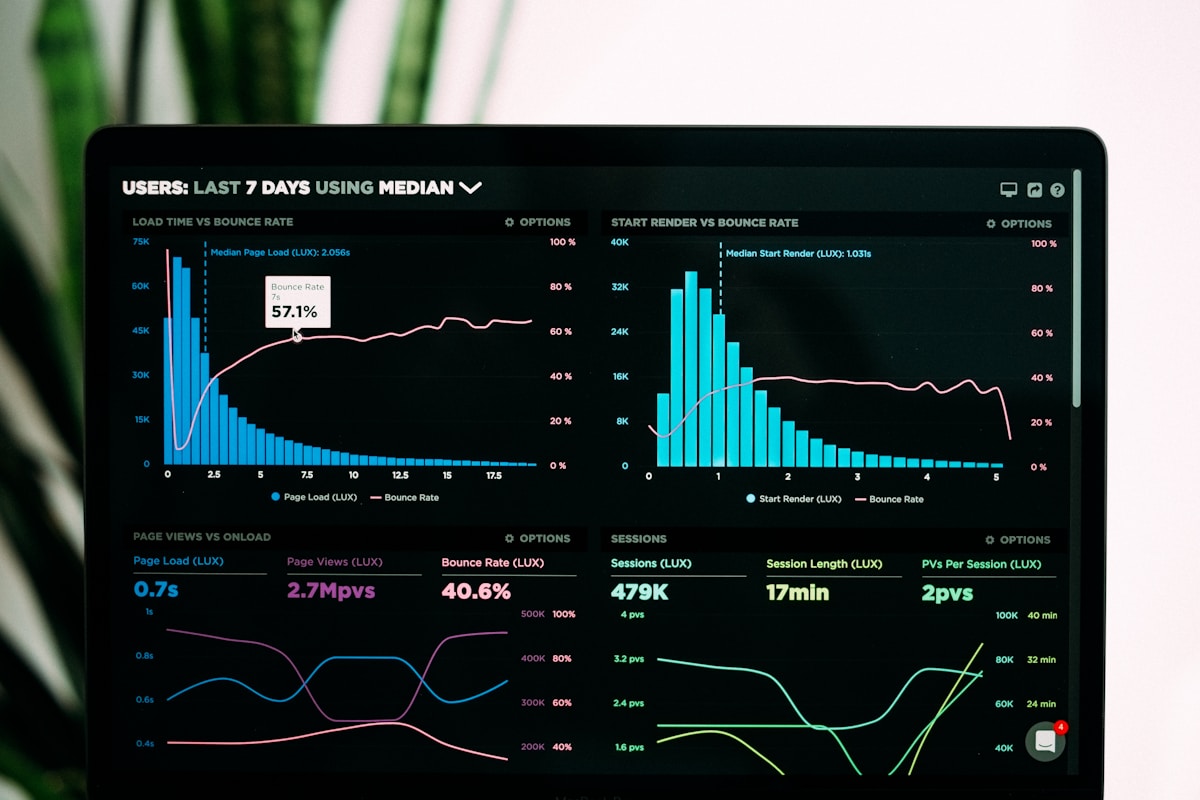
Unified messaging in Nepal integrates all communication channels (SMS, WhatsApp, Messenger, etc.) into a single platform. This streamlines customer interactions, enhances engagement, and provides a consistent customer experience, crucial for Nepal business growth.
The Dawn of Unified Messaging in Nepal
In today's rapidly evolving digital landscape, businesses in Nepal are seeking innovative ways to connect with their customers. The traditional approach of managing multiple communication channels independently is becoming increasingly fragmented and inefficient. This is where the power of a unified messaging Nepal strategy comes into play. By integrating various communication platforms into a single, cohesive system, businesses can streamline operations, enhance customer engagement, and ultimately drive significant Nepal business growth.
Imagine a scenario where a customer in Kathmandu initiates an inquiry via Facebook Messenger, receives a follow-up SMS about a special offer, and then confirms their booking through WhatsApp. A unified messaging system ensures that all these interactions are tracked and managed within a single interface, providing a seamless experience for both the customer and the business. This isn't a distant future; it's the present reality for forward-thinking Nepalese enterprises.
At nepalfillings.com, we understand the unique challenges and opportunities within the Nepalese market. We are dedicated to empowering local businesses with the tools and knowledge to implement effective omnichannel marketing strategies. A well-executed unified messaging approach is no longer a luxury but a necessity for staying competitive and delivering exceptional customer experience.
Why Unified Messaging is Crucial for Nepal Businesses
Nepal's digital penetration is on a steady rise. With increasing smartphone usage and internet access, customers expect instant and personalized communication across their preferred channels. A fragmented approach leads to missed messages, delayed responses, and a disjointed customer experience, which can severely impact brand reputation and sales.
Fragmented Communication: The Bottleneck
Consider a retail store in Pokhara. If their customer service team handles inquiries from their website chat, email, and separate social media inboxes, crucial messages can easily get lost. A customer might send an email about a product, then follow up on Facebook Messenger, only to receive a response to their email days later, potentially losing the sale. This lack of integration creates frustration and drives customers to competitors.
The Unified Advantage
A unified messaging Nepal strategy consolidates all these communication streams. This means:
- Centralized Inbox: All customer conversations from SMS, WhatsApp, Telegram, Messenger, email, and website chat are managed from one dashboard.
- 360-Degree Customer View: Agents can see the entire conversation history, regardless of the channel used, leading to more informed and personalized interactions.
- Improved Efficiency: Reduced time spent switching between platforms, faster response times, and better resource allocation.
- Enhanced Customer Satisfaction: Consistent and timely communication across all touchpoints builds trust and loyalty.
- Data-Driven Insights: Centralized data allows for better analysis of customer behavior, campaign effectiveness, and service quality.
Key Components of a Unified Messaging Strategy in Nepal
Implementing a successful unified messaging Nepal strategy involves several key components, tailored to the Nepalese context:
1. Channel Integration
The foundation of unified messaging is integrating all relevant communication channels. For Nepal, this includes:
- SMS Marketing: Still highly effective for reaching a broad audience across the country, especially for promotions, OTPs, and alerts. Platforms like Sparrow SMS and services from Nepal Telecom and Ncell are widely used.
- WhatsApp Business API: Increasingly popular for direct customer engagement, customer support, and even sales, offering rich media capabilities.
- Facebook Messenger: A dominant social media platform in Nepal, essential for B2C communication and customer service.
- Telegram: Growing in popularity for group communication and broadcasting messages, particularly among tech-savvy users.
- Email Marketing: Remains a staple for formal communication, newsletters, and detailed product information.
- Website Chatbots/Live Chat: Provides instant support for website visitors.
Nepalfillings.com offers seamless integration with these platforms, allowing businesses to manage them all from a single, intuitive dashboard.
2. Centralized Management Platform
A robust platform is essential to manage the integrated channels. This platform should offer:
- Unified Inbox: As mentioned, a single view of all incoming messages.
- Agent Collaboration Tools: Features like internal notes, message assignment, and real-time updates to ensure smooth team operations.
- Automation Capabilities: Auto-replies, chatbots, and automated workflows to handle common queries and tasks efficiently.
- Analytics and Reporting: Detailed insights into message volume, response times, customer satisfaction, and campaign performance.
Our platform at nepalfillings.com is designed to provide exactly this, empowering businesses in Kathmandu, Pokhara, and beyond with the tools they need.
3. Customer Data Management
Understanding your customer is key. A unified system helps build a comprehensive customer profile by consolidating interaction data from all channels. This allows for personalization and targeted communication.
4. Automation and AI
Leveraging automation and AI can significantly enhance efficiency. Chatbots can handle initial inquiries 24/7, freeing up human agents for complex issues. Automated workflows can trigger messages based on customer actions, such as sending a follow-up SMS after a missed call or a thank-you message after a purchase.
Implementing Unified Messaging: A Step-by-Step Guide for Nepal
Embarking on a unified messaging Nepal journey requires a strategic approach. Here’s how businesses can get started:
Step 1: Define Your Goals and Target Audience
What do you aim to achieve with unified messaging? Is it faster customer support, increased sales conversions, or better brand engagement? Understanding your objectives will guide your strategy. Also, identify which channels your target audience in Nepal primarily uses. For example, a younger demographic in urban centers might heavily use WhatsApp and Instagram, while a broader audience might still rely on SMS.
Step 2: Audit Your Current Communication Channels
List all the communication channels your business currently uses. Assess their effectiveness, the volume of inquiries they receive, and the resources required to manage them. Identify any gaps or redundancies.
Step 3: Select the Right Unified Messaging Platform
Choose a platform that offers seamless integration with the channels most relevant to your business in Nepal. Consider factors like:
- Features: Does it offer a unified inbox, automation, analytics, and CRM integration?
- Scalability: Can it grow with your business?
- Ease of Use: Is the interface intuitive for your team?
- Pricing: Does it fit your budget? Nepalfillings.com offers flexible pricing plans starting from competitive NPR rates, ensuring accessibility for SMEs.
- Support: Does the provider offer local support and resources?
Nepalfillings.com provides comprehensive support and training for businesses navigating the complexities of digital marketing in Nepal.
Step 4: Integrate Your Channels
Work with your chosen platform provider to integrate your existing communication channels. This might involve API connections for platforms like WhatsApp Business and Facebook Messenger, or direct integrations for SMS services.
Step 5: Train Your Team
Ensure your customer service and marketing teams are adequately trained on how to use the unified platform. Emphasize the importance of consistent brand voice and efficient response across all channels.
Step 6: Monitor, Analyze, and Optimize
Continuously monitor the performance of your unified messaging strategy using the platform's analytics. Track key metrics like response time, customer satisfaction scores (CSAT), and conversion rates. Use these insights to refine your approach, optimize workflows, and improve the overall customer experience.
Real-World Applications in Nepal
Let's look at how different businesses in Nepal can leverage unified messaging:
E-commerce Businesses
An online store selling electronics in Kathmandu can use unified messaging to:
- Send order confirmations and shipping updates via SMS and WhatsApp.
- Answer product inquiries received through Facebook Messenger and website chat instantly.
- Run targeted promotional campaigns via SMS and WhatsApp, integrating with popular payment gateways like eSewa and Khalti for seamless transactions.
- Handle post-purchase support and returns efficiently through a centralized system.
Banking and Financial Services
A bank or financial institution in Biratnagar can use unified messaging to:
- Send OTPs and account alerts via SMS (as per Nepal Rastra Bank guidelines).
- Provide customer support for banking queries via WhatsApp, integrating with their core banking system.
- Announce new financial products or offers via email and targeted SMS campaigns.
- Facilitate secure communication channels adhering to strict data privacy regulations.
Hospitality Sector
A hotel in Pokhara can use unified messaging to:
- Send booking confirmations and pre-arrival information via WhatsApp.
- Handle guest requests (room service, inquiries) through a central chat interface.
- Send personalized offers for future stays via email and SMS.
- Collect feedback post-stay through automated surveys via SMS or WhatsApp.
The Role of nepalfillings.com
Navigating the complexities of omnichannel marketing and unified messaging can be challenging. nepalfillings.com is your trusted partner in Nepal, offering a comprehensive suite of tools and expertise to help your business thrive.
Our platform provides:
- Seamless Integrations: Connect with major communication channels like SMS (Sparrow SMS, Nepal Telecom, Ncell), WhatsApp Business API, Facebook Messenger, and Telegram.
- User-Friendly Dashboard: Manage all your communications from one place, simplifying operations for your team.
- Powerful Automation: Implement chatbots, auto-responders, and workflow automation to boost efficiency.
- Advanced Analytics: Gain deep insights into customer behavior and campaign performance to drive informed decisions.
- Local Expertise: We understand the Nepalese market, regulations (like those from NTA), and consumer behavior, offering tailored solutions.
- Affordable Pricing: Competitive plans in NPR designed to suit businesses of all sizes, from startups to large enterprises.
By partnering with nepalfillings.com, businesses in Nepal can unlock the full potential of unified messaging, enhance their customer experience, and achieve sustainable Nepal business growth.
Conclusion: Embracing the Future of Communication
The shift towards unified messaging is an inevitable evolution in customer communication. Businesses in Nepal that embrace this strategy will gain a significant competitive advantage. By consolidating channels, leveraging automation, and focusing on a seamless customer experience, companies can build stronger relationships, increase operational efficiency, and drive revenue growth. Unified messaging Nepal is not just about technology; it's about building a customer-centric communication ecosystem that resonates with the modern Nepalese consumer.
Ready to transform your communication strategy? Explore the solutions offered by nepalfillings.com and take the first step towards mastering unified messaging for your business.
Source: UNDP Nepal - SDG 9
Frequently Asked Questions
01What is unified messaging in the context of Nepal?
Unified messaging in Nepal means integrating all customer communication channels like SMS, WhatsApp, Facebook Messenger, Telegram, and email into a single, manageable platform. This allows businesses to provide a consistent and efficient communication experience across all touchpoints.
02How can unified messaging benefit small businesses in Nepal?
Small businesses in Nepal can benefit from unified messaging by improving customer service response times, managing interactions efficiently with limited staff, and gaining a better understanding of customer needs. This leads to increased customer loyalty and potential for growth, even with a smaller budget.
03Is WhatsApp Business API essential for unified messaging in Nepal?
While not strictly essential, WhatsApp Business API is highly recommended for unified messaging in Nepal due to its widespread adoption. It allows for rich media messaging, interactive features, and direct customer engagement, significantly enhancing the communication experience.
04What are the typical costs associated with unified messaging platforms in Nepal?
Costs vary based on features and usage. In Nepal, plans can range from NPR 5,000 to NPR 50,000+ per month. This typically includes platform access, SMS/WhatsApp API charges, and support. nepalfillings.com offers tiered pricing to suit different business sizes and budgets.
05How does unified messaging comply with Nepal's communication regulations?
A reputable unified messaging provider in Nepal will ensure compliance with regulations set by the Nepal Telecommunications Authority (NTA). This includes guidelines for SMS messaging, data privacy, and customer consent, ensuring legal and ethical communication practices.
06Can unified messaging integrate with local payment gateways like eSewa or Khalti?
Yes, advanced unified messaging platforms can integrate with popular Nepalese payment gateways like eSewa and Khalti. This allows businesses to facilitate transactions directly within communication flows, streamlining the sales process and improving convenience for customers.
07What is the difference between omnichannel and multichannel marketing in Nepal?
Multichannel offers customers multiple options but they are siloed. Omnichannel provides a seamless, integrated experience where customer interactions flow smoothly across channels. For Nepal, omnichannel ensures a consistent brand voice whether a customer uses SMS, WhatsApp, or email.
08How can businesses in Kathmandu leverage unified messaging for customer support?
Businesses in Kathmandu can use unified messaging to centralize customer support inquiries from websites, social media, and messaging apps. This enables faster response times, personalized support by accessing conversation history, and efficient handling of queries, improving overall customer satisfaction.
09What role does SMS play in a unified messaging strategy in Nepal today?
SMS remains a vital channel in Nepal for unified messaging due to its high reach, especially outside major cities. It's crucial for critical alerts, OTPs, promotions, and reaching customers who may not be active on other digital platforms. It complements other channels for a comprehensive strategy.
10How can unified messaging help improve customer retention in Nepal?
By providing consistent, personalized, and timely communication across all preferred channels, unified messaging builds stronger customer relationships. This leads to increased trust and satisfaction, significantly boosting customer retention rates for businesses operating in Nepal.