Mastering Messenger for E-commerce: Boost Sales with Interactive Campaigns in Nepal
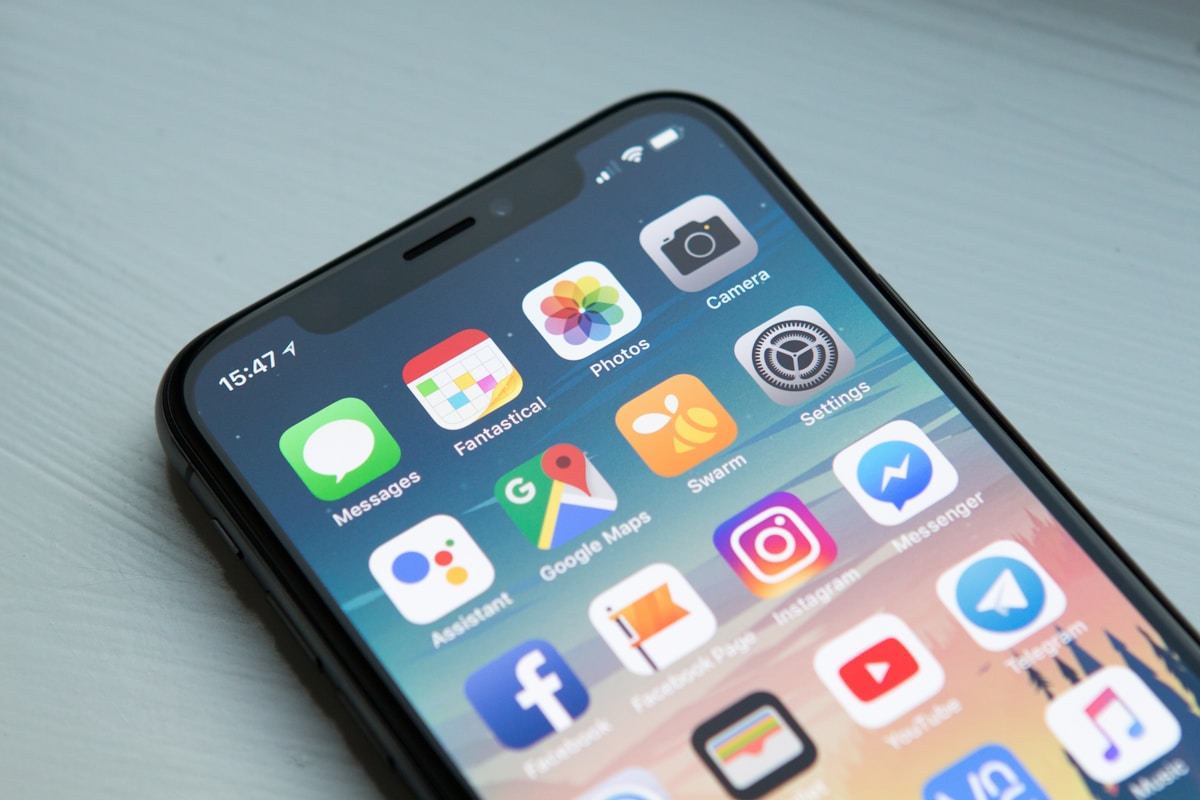
Messenger e-commerce leverages platforms like Facebook Messenger to enable direct, interactive conversations between businesses and customers, facilitating product discovery, sales, and support to boost online sales in Nepal.
The Rise of Conversational Commerce in Nepal
In today's rapidly evolving digital landscape, businesses in Nepal are constantly seeking innovative ways to connect with their customers and drive online sales Nepal. Traditional marketing methods are becoming less effective as consumers crave more personalized and interactive experiences. This is where Messenger e-commerce emerges as a game-changer. Leveraging platforms like Facebook Messenger, businesses can foster direct, real-time conversations with potential buyers, leading to increased engagement, higher conversion rates, and ultimately, boosted revenue. Nepal's burgeoning e-commerce sector, with platforms like Daraz Nepal and Sastodeal gaining traction, presents a fertile ground for adopting these conversational strategies.
Why Messenger E-commerce is Crucial for Nepali Businesses
Facebook, with its massive user base in Nepal (estimated to be over 19 million active users), makes Messenger an indispensable tool for reaching a significant portion of the Nepali population. For e-commerce businesses operating in cities like Kathmandu, Pokhara, and Biratnagar, the ability to engage customers directly on a platform they use daily is invaluable. Messenger e-commerce allows for:
- Personalized Customer Service: Addressing queries instantly, offering product recommendations, and resolving issues in real-time builds trust and loyalty. Imagine a customer in Lalitpur asking about the availability of a specific product from an online clothing store; a quick Messenger response can seal the deal.
- Streamlined Shopping Experience: From product discovery to order confirmation and even post-purchase support, Messenger can guide customers through the entire journey. This reduces friction, especially in the checkout process.
- Interactive Marketing Campaigns: Quizzes, polls, contests, and exclusive offers delivered via Messenger can significantly boost engagement and create a buzz around your brand.
- Automated Workflows: Chatbots can handle repetitive tasks, such as answering FAQs, tracking orders, and sending promotional messages, freeing up human resources for more complex interactions.
Understanding the Nepali E-commerce Consumer
Nepali consumers are increasingly tech-savvy and value convenience. They often research products online before making a purchase. Providing them with an easy way to get information and make inquiries directly through Messenger aligns perfectly with their expectations. For instance, a customer in Dharan looking to buy electronics might prefer to ask specific technical questions via Messenger rather than navigating a complex website or making a phone call.
Building Your Messenger E-commerce Strategy
A successful Messenger e-commerce strategy requires careful planning and execution. Here’s a breakdown of key components:
1. Setting Up Your Messenger Presence
Ensure your Facebook Business Page is optimized and that the Messenger feature is readily accessible. A clear call-to-action button on your page, such as "Send Message" or "Shop Now," can direct users to start a conversation. For businesses using platforms like Shopify or WooCommerce, integrating Messenger plugins is straightforward.
2. Leveraging Chatbots for Efficiency
Chatbots are the backbone of scalable Messenger e-commerce. They can automate:
- Welcome Messages: Greet new visitors and guide them to relevant information or product categories.
- FAQ Handling: Answer common questions about shipping, returns, payment methods (including popular Nepali options like eSewa and Khalti), and product details.
- Lead Generation: Collect customer information like names and contact details for future marketing efforts.
- Order Status Updates: Provide real-time updates on order processing and delivery.
For example, a Kathmandu-based handicraft store could use a chatbot to answer questions about the origin of their products or their shipping policies within the valley. This proactive approach reduces customer wait times significantly.
3. Crafting Engaging Interactive Campaigns
This is where interactive marketing truly shines on Messenger. Consider these campaign ideas:
- Product Quizzes: Help customers find the perfect product by asking a series of questions. A cosmetic brand could ask about skin type and concerns to recommend suitable products.
- Flash Sales & Exclusive Deals: Announce limited-time offers directly to your Messenger subscribers. This creates urgency and rewards loyal followers. Imagine a Pokhara-based adventure gear shop offering a 20% discount on trekking essentials exclusively to their Messenger subscribers.
- Contests & Giveaways: Run engaging contests where users can participate directly through Messenger, increasing brand visibility and generating user-generated content.
- Personalized Recommendations: Based on past purchases or browsing history, send tailored product suggestions via Messenger.
4. Integrating with Your Sales Funnel
Messenger e-commerce shouldn't operate in a silo. It needs to be integrated seamlessly with your overall marketing and sales funnel. This includes:
- Driving Traffic to Messenger: Use Facebook Ads with the "Message Us" objective to encourage users to start conversations. Your ads can target specific demographics in Nepal, like young professionals in Kathmandu or students in Kirtipur.
- Collecting Leads: Use Messenger bots to capture leads and add them to your email or SMS marketing lists (e.g., through services like Sparrow SMS).
- Facilitating the Checkout Process: While direct checkout within Messenger is still evolving, you can use it to send direct links to your product pages or even initiate payment requests through integrated platforms like eSewa or Khalti for a smoother transaction. For example, an online bookstore in Biratnagar could send a Messenger confirmation with a direct payment link.
- Post-Purchase Engagement: Follow up with customers after delivery to ensure satisfaction, request reviews, and offer loyalty discounts for future purchases.
Real-World Examples in Nepal
Let's look at how different Nepali businesses can implement Messenger e-commerce:
- Fashion Boutique (Kathmandu): A boutique could use Messenger to showcase new arrivals with interactive carousels, allow customers to book virtual styling appointments, and send personalized discount codes based on past purchases. They could also use Messenger to answer sizing queries instantly, reducing return rates.
- Electronics Retailer (Pokhara): An electronics store could employ a chatbot to answer technical specifications, compare models, and provide warranty information. They could also run Messenger-exclusive flash sales on popular gadgets, driving immediate purchases.
- Food Delivery Service (Biratnagar): A local restaurant could use Messenger to take pre-orders, inform customers about daily specials, and provide real-time delivery updates. They could even integrate with local payment gateways for seamless transactions.
Navigating Regulations and Best Practices
While Messenger offers immense potential, it's crucial to adhere to platform policies and Nepali regulations. The Nepal Telecommunications Authority (NTA) has guidelines regarding unsolicited commercial communications, although these primarily focus on SMS and voice. However, maintaining ethical marketing practices is paramount.
- Obtain Consent: Always ensure users opt-in to receive messages from your business. Avoid spamming.
- Provide Value: Ensure your messages are relevant, informative, and offer genuine value to the recipient.
- Be Responsive: Whether automated or human, timely responses are key to a positive customer experience.
- Respect Privacy: Handle customer data responsibly and in compliance with data protection principles.
- Monitor Performance: Track key metrics like engagement rates, conversion rates, and customer satisfaction to refine your strategy.
Cost-Effectiveness of Messenger Marketing in Nepal
Compared to traditional advertising channels, Messenger e-commerce can be highly cost-effective. While there might be costs associated with chatbot development platforms or advanced integrations, the core messaging functionality is free. Advertising campaigns on Facebook can be targeted precisely, ensuring your budget is spent reaching the most relevant audience in Nepal. The potential ROI from increased sales and customer loyalty often far outweighs the investment.
Future Trends in Conversational Commerce
As technology advances, we can expect even more sophisticated integrations within Messenger. Think augmented reality (AR) try-ons via Messenger, more seamless payment integrations with platforms like eSewa and Khalti, and AI-powered chatbots that offer even more human-like interactions. Businesses in Nepal that embrace Messenger e-commerce today will be well-positioned to capitalize on these future innovations, solidifying their competitive edge in the dynamic online sales Nepal market and optimizing their checkout process.
By integrating Messenger e-commerce into your digital strategy, you can foster deeper customer relationships, streamline the buying journey, and unlock significant growth opportunities for your business in Nepal. It’s time to move beyond one-way communication and embrace the power of conversation.
Frequently Asked Questions
01What is Messenger e-commerce in the context of Nepal?
Messenger e-commerce in Nepal refers to using Facebook Messenger to interact with customers, showcase products, answer queries, facilitate sales, and provide support, ultimately driving online sales Nepal through conversational channels.
02How can Nepali businesses use Messenger for online sales?
Nepali businesses can use Messenger to run interactive campaigns, deploy chatbots for instant customer service, share product catalogs, send personalized offers, and guide customers through the checkout process, directly engaging them on a popular platform.
03Is Messenger marketing effective for small businesses in Nepal?
Yes, Messenger marketing is highly effective for small businesses in Nepal due to its low cost, direct reach to a large user base, and ability to build personal customer relationships, which is crucial for small enterprises.
04What are the benefits of using chatbots for Messenger e-commerce in Nepal?
Chatbots provide 24/7 customer support, instantly answer FAQs, qualify leads, and automate tasks, significantly improving efficiency and customer experience for Nepali e-commerce businesses, reducing operational costs.
05How can I integrate Messenger with my existing e-commerce platform in Nepal?
Many e-commerce platforms like Shopify and WooCommerce offer plugins or integrations for Facebook Messenger. You can also use third-party tools or custom development to connect your store to Messenger for seamless communication.
06What are common payment methods in Nepal that can be integrated with Messenger e-commerce?
Popular Nepali payment methods like eSewa, Khalti, and IME Pay can be integrated. While direct checkout isn't always native, you can send payment links via Messenger for these services, simplifying the transaction for customers.
07How do I get started with Messenger marketing for my Nepali business?
Start by ensuring your Facebook Business Page is active. Then, explore Messenger features, consider a chatbot for automation, and create engaging content. Utilize Facebook Ads with the 'Message Us' objective to drive initial conversations.
08Are there any regulations for Messenger marketing in Nepal?
While specific regulations for Messenger marketing are evolving, businesses should adhere to Facebook's platform policies and general ethical marketing practices. Focus on obtaining consent and providing value to avoid spamming.
09How can Messenger improve the checkout process for Nepali customers?
Messenger can simplify the checkout process by allowing customers to ask last-minute questions, receive direct links to products or payment pages, and get instant confirmation, reducing cart abandonment.
10What kind of interactive campaigns work best on Messenger for Nepali e-commerce?
Interactive campaigns like quizzes to recommend products, polls for customer feedback, exclusive flash sales, contests, and personalized recommendations based on user data tend to perform very well on Messenger in Nepal.