How to Build an Auto Marketing System for Your Business in Nepal
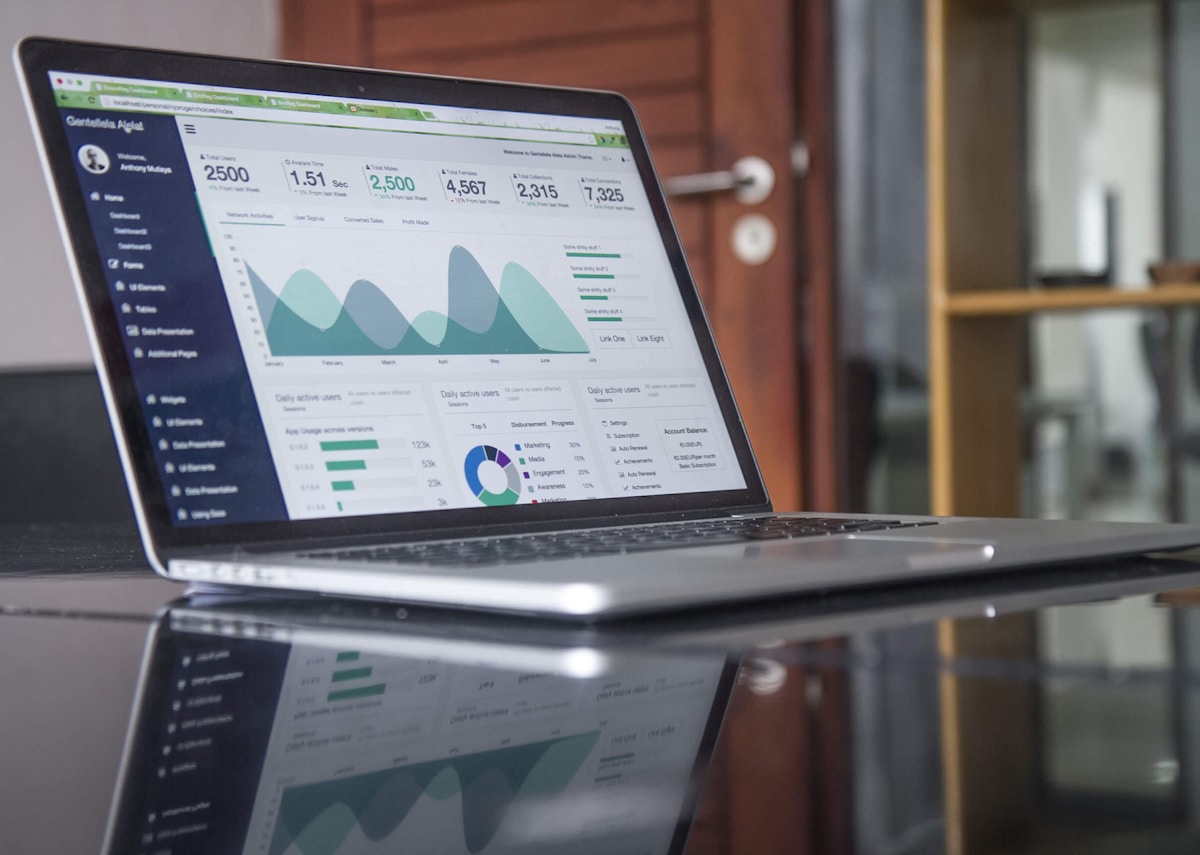
To build an auto marketing system for your business in Nepal, start by mapping your customer journey, then set up core infrastructure including a mobile-responsive website, email marketing platform like Mailchimp, and social media accounts. Implement lead capture through website forms, Facebook lead ads, and WhatsApp Business. Create automated workflows for welcome sequences, abandoned cart recovery, and post-purchase follow-ups using affordable or free tools.
Understanding Auto Marketing Systems in the Nepali Business Context
An auto marketing system is a combination of tools, workflows, and strategies that allow businesses to execute marketing activities with minimal manual intervention. For businesses in Nepal — from retail shops in New Road to tech startups in Lalitpur — building an automated marketing system can dramatically reduce the time spent on repetitive tasks while improving customer engagement and revenue. The concept is straightforward: instead of manually sending every email, posting every social media update, and following up with every lead individually, you set up automated workflows that handle these tasks based on predefined triggers and rules.
In Nepal, where many businesses operate with lean teams and limited budgets, marketing automation is not a luxury reserved for large corporations. With the right approach and affordable tools, even a one-person operation can build an effective auto marketing system that nurtures leads, retains customers, and drives consistent sales growth. The key is to start simple and expand as your business scales.
Step 1: Map Your Customer Journey
Before selecting any tools or setting up automations, you need to understand how customers in Nepal discover, evaluate, and purchase from your business. Start by mapping out the typical customer journey specific to your industry and market:
- Awareness Stage — How do potential customers first learn about your business? In Nepal, this often happens through Facebook, Instagram, Google Search, word-of-mouth referrals, or local advertising.
- Consideration Stage — What information do prospects seek before making a decision? They might visit your website, read reviews, compare prices, or message you on social media or WhatsApp.
- Purchase Stage — How do customers complete their transactions? This could be through your e-commerce site, in-store visits, phone orders, or messaging platforms.
- Retention Stage — How do you keep customers coming back? Follow-up messages, loyalty offers, and regular content updates play critical roles here.
Mapping this journey helps you identify the exact points where automation can replace manual effort without sacrificing the personal touch that Nepali consumers value.
Step 2: Set Up Your Core Marketing Infrastructure
Website and Landing Pages
Your website serves as the central hub of your auto marketing system. Ensure your website is mobile-responsive — over 85 percent of internet users in Nepal access the web through smartphones. Set up dedicated landing pages for specific campaigns, products, or offers. Tools like WordPress, Wix, or custom-built solutions can work well for Nepali businesses. Make sure your site loads quickly, as internet speeds in Nepal can vary significantly between urban and rural areas.
Email Marketing Platform
Email remains one of the most cost-effective marketing channels. Platforms like Mailchimp, Brevo (formerly Sendinblue), and MailerLite offer free tiers that work well for Nepali businesses starting out. Set up automated email sequences for welcome messages, abandoned cart reminders, post-purchase follow-ups, and re-engagement campaigns. Even with a small email list of a few hundred subscribers, automated email workflows can generate meaningful revenue.
Social Media Accounts
Configure your Facebook Business Page, Instagram Business Account, and other relevant social media profiles. Connect these accounts to scheduling and automation tools. In Nepal, Facebook Messenger and WhatsApp are primary communication channels, so integrating messaging automation into your system is essential.
Step 3: Build Your Lead Capture System
An auto marketing system is only as effective as the leads it captures. Implement multiple lead capture mechanisms across your digital presence:
- Website Forms — Place opt-in forms on your homepage, blog posts, and landing pages. Offer something valuable in exchange for contact information — such as a discount code, free guide, or exclusive content relevant to your Nepali audience.
- Facebook Lead Ads — Facebook lead ads are particularly effective in Nepal because they allow users to submit their information without leaving the Facebook app. This reduces friction, especially for users with slower internet connections.
- WhatsApp Business — Set up a WhatsApp Business account with a click-to-chat link on your website and social media. Many Nepali consumers prefer WhatsApp for business communication, and capturing leads through this channel feels natural and non-intrusive.
- Messenger Bots — Implement a Facebook Messenger bot that greets visitors to your Facebook page, answers common questions, and collects contact details. This creates an automated first touchpoint that works around the clock.
Step 4: Create Automated Workflows
Welcome Sequence
When a new lead enters your system, trigger an automated welcome sequence. This might include a welcome email introducing your business, a follow-up message highlighting your best products or services, and a special offer to encourage the first purchase. For Nepali businesses, personalizing these messages with local references and Nepali language options can significantly improve engagement rates.
Abandoned Cart Recovery
If you run an e-commerce business in Nepal, abandoned cart recovery is one of the highest-impact automations you can implement. Set up a sequence that sends a reminder email or WhatsApp message within one hour of cart abandonment, followed by a second reminder at 24 hours, and a final message with a small discount at 48 hours. This simple three-step automation can recover 10 to 15 percent of otherwise lost sales.
Post-Purchase Follow-Up
After a customer makes a purchase, automate a sequence that includes an order confirmation, shipping update, delivery confirmation, product usage tips, and a review request. In Nepal, where building trust is crucial for repeat business, these automated touchpoints demonstrate professionalism and care that set you apart from competitors.
Re-engagement Campaigns
Identify customers who have not interacted with your business in 30, 60, or 90 days and trigger automated re-engagement campaigns. These might include special comeback offers, updates about new products, or personalized recommendations based on past purchases.
Step 5: Integrate Social Media Automation
Social media automation extends beyond scheduling posts. For Nepali businesses, consider automating these specific social media activities:
- Content Publishing — Use tools like Buffer, Hootsuite, or Meta Business Suite to schedule content across platforms. Prepare content in batches weekly or monthly.
- Comment Responses — Set up automated responses for common comments on your Facebook and Instagram posts. While personal engagement remains important, automated initial responses ensure no comment goes unacknowledged.
- Direct Message Replies — Configure auto-replies for Facebook Messenger and Instagram Direct Messages. These can provide immediate responses with business hours, product catalogs, or links to frequently asked questions.
- Social Listening — Use tools to monitor mentions of your brand, products, or industry keywords across social media. This helps you stay responsive to customer feedback and market trends in Nepal.
Step 6: Measure, Optimize, and Scale
Building an auto marketing system is not a one-time project. Continuously measure the performance of each automated workflow and optimize based on results. Track key metrics including email open rates, click-through rates, conversion rates, customer acquisition cost, and customer lifetime value. Use Google Analytics, your email platform analytics, and social media insights to gather data.
Start with the highest-impact automations first — typically welcome sequences, abandoned cart recovery, and social media scheduling. Once these are running smoothly and generating results, add more sophisticated workflows such as behavioral triggers, lead scoring, and personalized product recommendations. The beauty of an auto marketing system is that each new automation builds upon the existing foundation, creating a compounding effect on your marketing efficiency and revenue growth.
Recommended Tool Stack for Nepali Businesses
For businesses in Nepal looking to build their first auto marketing system, here is a practical and affordable tool stack to consider:
- Email Marketing — Mailchimp free plan or Brevo free plan for up to 300 emails per day
- Social Media Scheduling — Meta Business Suite (free) combined with Buffer free plan
- WhatsApp Automation — WhatsApp Business app with quick replies and greeting messages
- Messenger Bot — ManyChat free plan for basic Facebook Messenger automation
- Landing Pages — WordPress with Elementor free version or Mailchimp landing pages
- Analytics — Google Analytics (free) and platform-native analytics tools
This entire stack can be set up at zero to minimal cost, making it accessible for Nepali businesses of any size. As your revenue grows from automated marketing efforts, reinvest in premium tools and more advanced automations to continue scaling your system.
Frequently Asked Questions
01What is the cheapest way to set up marketing automation in Nepal?
The most affordable approach is to use a combination of free tools: Meta Business Suite for social media scheduling, Mailchimp or Brevo free plan for email automation, WhatsApp Business app for messaging automation, and Google Analytics for tracking. This entire stack costs nothing and provides a solid foundation for automated marketing that Nepali businesses of any size can implement immediately.
02How long does it take to build an auto marketing system in Nepal?
A basic auto marketing system can be set up in one to two weeks. This includes configuring your email platform, setting up social media scheduling, creating a welcome email sequence, and implementing basic WhatsApp auto-replies. More advanced automations like abandoned cart recovery, lead scoring, and behavioral triggers can be added over the following weeks as you learn what works best for your Nepali audience.
03Do I need technical skills to build marketing automation for my Nepali business?
No advanced technical skills are required. Most modern marketing automation tools like Mailchimp, Buffer, and ManyChat offer drag-and-drop interfaces and pre-built templates that anyone can use. Basic computer literacy and familiarity with social media platforms are sufficient to get started. Many platforms also offer tutorials and guides that are accessible to beginners.
04Which marketing channel should I automate first in Nepal?
For most businesses in Nepal, start with Facebook Messenger and WhatsApp automation since these are the primary communication channels for Nepali consumers. Set up auto-replies and greeting messages on WhatsApp Business and a basic Messenger bot on your Facebook page. Next, automate your email marketing with a welcome sequence. Social media post scheduling should follow as your third automation priority.