Why Messenger Content is Crucial for Nepali Businesses
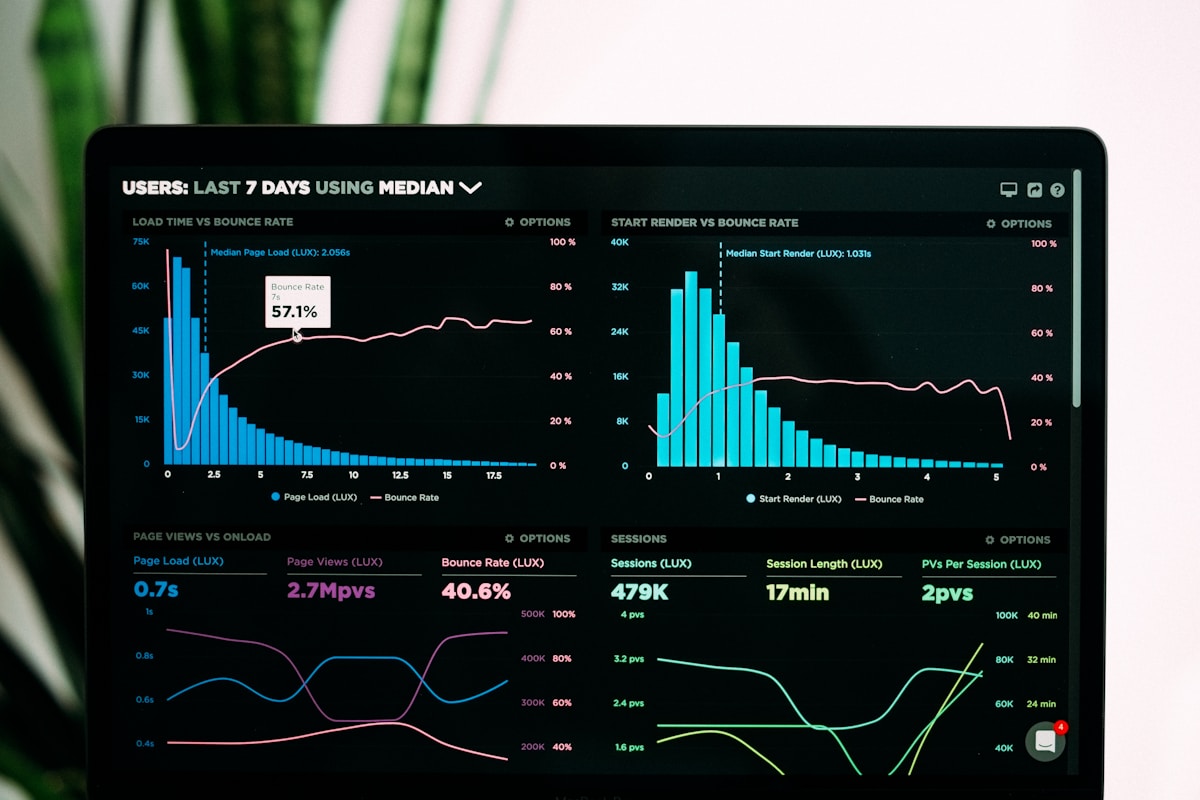
Messenger content Nepal refers to creating and distributing engaging messages via Facebook Messenger for Nepali businesses. It focuses on personalized communication, interactive elements, and direct customer interaction to boost brand engagement and drive sales within the Nepali market.
The Rise of Messenger Marketing in Nepal
In today's rapidly digitizing landscape, Nepali businesses are increasingly seeking innovative ways to connect with their customers. Among the most effective tools available is Messenger content Nepal, leveraging the immense popularity of Facebook Messenger. With over 2.5 billion active users globally and a significant penetration in Nepal, Facebook Messenger presents an unparalleled opportunity for direct, personalized communication. This platform allows brands to move beyond traditional advertising and foster genuine brand engagement through interactive conversations. As digital marketing evolves, a well-defined messaging strategy is crucial for standing out. This guide will delve into the best practices for creating compelling Messenger content tailored for the Nepali market, ensuring enhanced customer interaction and driving business growth.
Why Messenger Content is Crucial for Nepali Businesses
Nepal's digital adoption is accelerating. From bustling marketplaces in Kathmandu to the burgeoning tourism sector in Pokhara and the commercial hubs in Biratnagar, businesses of all sizes are realizing the power of digital channels. Facebook Messenger has emerged as a primary communication tool, often preferred over traditional phone calls or emails for its immediacy and convenience. For Nepali brands, mastering Messenger content Nepal is not just an option, but a necessity for:
- Direct Customer Reach: Unlike email, messages in Messenger often have higher open rates, ensuring your message reaches your audience directly.
- Personalized Interactions: Messenger allows for one-on-one conversations, enabling brands to understand individual customer needs and preferences.
- Enhanced Customer Service: Quick responses to queries, order updates, and support requests via Messenger significantly improve customer satisfaction.
- Driving Sales & Conversions: From product discovery to facilitating payments through integrated local platforms like eSewa and Khalti, Messenger can streamline the entire customer journey.
- Building Brand Loyalty: Consistent, valuable, and engaging content builds trust and fosters a loyal customer base.
Understanding Your Nepali Audience on Messenger
Effective Messenger content Nepal starts with a deep understanding of the local audience. Nepali consumers, like many globally, value authenticity, responsiveness, and relevance. Consider these factors:
Cultural Nuances and Language
While English is understood in business circles, using Nepali in your messaging can create a stronger emotional connection. Employing local colloquialisms appropriately can make your brand feel more relatable. However, maintain a professional tone, especially when dealing with inquiries or complaints. For instance, a clothing boutique in Thamel might use a mix of Nepali and English, while a financial service provider would likely stick to more formal Nepali or English.
Preferred Communication Styles
Nepalis often appreciate quick, to-the-point communication. Long, verbose messages may be overlooked. Use clear, concise language and consider using emojis to add warmth and personality, but do so judiciously to maintain professionalism. The speed of response is paramount; customers expect near real-time replies, especially for urgent queries.
Common Use Cases
Identify how your target audience is likely to use Messenger to interact with your brand. Are they looking for product information, seeking customer support, tracking orders, or making reservations? Tailor your content and automated responses accordingly. For example, a restaurant in Pokhara might use Messenger for table bookings and menu inquiries, while an e-commerce store in Kathmandu would focus on order status updates and product catalogs.
Key Strategies for Engaging Messenger Content
Creating content that resonates and drives action on Messenger requires a strategic approach. Here are some best practices for crafting effective Messenger content Nepal:
1. Leverage Interactive Elements
Messenger offers a rich set of interactive tools that can significantly boost engagement:
- Quick Replies: These are suggested responses that users can tap to reply quickly. They are excellent for guiding conversations, offering options, and speeding up the customer journey. For example, a travel agency could offer quick replies like "Book a Tour," "View Packages," or "Contact Us."
- Persistent Menu: A persistent menu at the bottom of the chat window provides users with easy access to key information or actions, such as "Our Services," "FAQs," "Contact Support," or "Visit Website."
- Carousels: Visually appealing carousels allow you to showcase multiple products, services, or options in a single message. Each item in the carousel can have a title, description, image, and a button for a call to action (e.g., "Shop Now," "Learn More"). This is ideal for e-commerce businesses displaying their latest arrivals.
- Buttons: Use buttons to guide users towards specific actions, like "Call Now," "Send Email," "Visit Website," or "Add to Cart."
2. Personalization is Key
Generic messages rarely capture attention. Personalize your communication whenever possible:
- Use Names: Address users by their first name when initiating a conversation or responding to a query.
- Segment Your Audience: Based on past interactions, purchase history, or expressed interests, segment your audience and send targeted messages. For instance, a fashion brand could send messages about new women's collections only to female subscribers.
- Tailor Content to Journey Stage: A new prospect might receive an introductory message about your brand, while a returning customer might get a special offer or an update on new arrivals.
3. Provide Value and Solve Problems
Your Messenger content should aim to be helpful, informative, or entertaining. Don't just push sales messages.
- Educational Content: Share tips, how-to guides, or industry insights relevant to your audience. A gardening supply store could share tips on monsoon planting.
- Exclusive Offers & Promotions: Announce special discounts, early access to sales, or loyalty program benefits exclusively for Messenger subscribers.
- Customer Support: Be readily available to answer questions, resolve issues, and provide updates. Fast and efficient support via Messenger can turn a potentially negative experience into a positive one.
- Behind-the-Scenes: Share glimpses of your brand's culture, team, or product creation process to build a more human connection.
4. Optimize for Mobile and Speed
Most users access Messenger on their mobile devices. Ensure your content is:
- Mobile-First Design: Images and videos should be optimized for mobile viewing. Keep text concise and easy to read on smaller screens.
- Fast Loading: Use compressed images and efficient message formats to ensure quick delivery and loading times.
- Clear Call-to-Actions (CTAs): Make it obvious what you want the user to do next. Use clear button text and direct links.
Implementing Messenger Marketing in Nepal: Practical Examples
Let's look at how different Nepali businesses can leverage Messenger content Nepal:
E-commerce Store (Kathmandu)
- Welcome Message: "Namaste [Name]! Welcome to FashionHub Nepal. Tap below to browse our latest collections or get help with your order." (with buttons: "Shop New Arrivals", "Track Order", "Contact Us")
- Abandoned Cart: "Hey [Name], we noticed you left items in your cart! Complete your order now and get 10% off with code: COMEBACK10." (with button: "Complete Order")
- Promotions: "Dashain Special! Get up to 30% off on all ethnic wear. Shop now before it ends!" (with carousel of featured products)
Restaurant (Pokhara)
- Booking Inquiry: "Hello! How can we help you today?" (Quick replies: "Book a Table", "View Menu", "Order Takeaway")
- Table Confirmation: "Your table for [Number] is confirmed for [Date] at [Time]. We look forward to seeing you!"
- Special Offers: "Enjoy our lakeside special - 15% off on all main courses every Tuesday!"
Service Provider (Biratnagar - e.g., Electronics Repair)
- Initial Contact: "Hi [Name], thanks for reaching out to GadgetFix Biratnagar. Please describe your issue, or choose an option:" (Quick replies: "Get a Quote", "Check Service Status", "FAQs")
- Quote Generation: "Based on your description, a typical repair for [Issue] costs between NPR 1,500 - NPR 3,000. Would you like to book a diagnostic?" (Buttons: "Book Now", "Ask More Questions")
- Service Updates: "Your device is ready for pickup! You can collect it from our store between 10 AM - 6 PM. Payment can be made via cash, Khalti, or eSewa."
Integrating Payments and Other Services
A significant advantage of Messenger marketing in Nepal is the ability to integrate with popular local payment gateways like eSewa and Khalti. This allows for seamless transactions directly within the chat interface, reducing friction and increasing conversion rates. Imagine a customer selecting a product, clicking "Buy Now," and being directed to a secure Khalti payment link within Messenger – it's a streamlined experience.
Similarly, integration with SMS services like Sparrow SMS or even mobile network providers like Nepal Telecom and Ncell for OTP verification can enhance security and user experience for critical transactions.
Measuring Success and Optimizing Your Strategy
To ensure your Messenger content Nepal strategy is effective, continuous monitoring and optimization are essential. Key metrics to track include:
- Open Rate: Percentage of messages opened by recipients.
- Click-Through Rate (CTR): Percentage of users who clicked on links or buttons within your messages.
- Response Rate & Time: How quickly and consistently you respond to customer inquiries.
- Conversion Rate: Percentage of users who complete a desired action (e.g., purchase, sign-up) after interacting with your Messenger content.
- Engagement Rate: Likes, comments, shares on broadcast messages (if applicable).
Analyze this data regularly. A/B test different message formats, CTAs, and content types to understand what resonates best with your audience. For example, test whether carousel ads or single image ads perform better for product promotions.
Navigating Regulations and Best Practices
While Facebook's platform policies govern Messenger usage, it's also wise to be aware of general digital marketing regulations in Nepal. The primary focus is on transparency and avoiding spam. Ensure users explicitly opt-in to receive messages from your brand. Respect user privacy and provide an easy way to unsubscribe. Adhering to these principles builds trust and ensures long-term success for your Messenger content Nepal initiatives.
By embracing these best practices, Nepali brands can transform Facebook Messenger from a simple chat app into a powerful tool for customer engagement, service, and sales, driving significant growth in the increasingly digital Nepali market.
Frequently Asked Questions
01What is the cost of running Messenger marketing campaigns in Nepal?
The cost varies. While sending messages to existing subscribers is often free or low-cost, running targeted ad campaigns to acquire new subscribers on Messenger incurs advertising costs, similar to Facebook ads. Pricing is typically based on factors like audience size, targeting, and ad format, often quoted in NPR.
02How can I get users to subscribe to my Messenger updates in Nepal?
Encourage subscriptions through website pop-ups, social media posts, QR codes at physical locations, and clear calls-to-action (e.g., 'Message Us on Messenger for Updates'). Offering an incentive, like a discount for subscribing, can also be effective.
03Are there specific regulations for Messenger marketing in Nepal?
While Nepal doesn't have highly specific 'Messenger marketing' laws, general data privacy and consumer protection principles apply. Avoid spamming, obtain explicit consent before messaging, and provide an easy opt-out mechanism. Transparency is key.
04Can I automate responses on Messenger for my Nepali business?
Yes, Facebook's Messenger platform allows for automation. You can set up automated welcome messages, frequently asked questions (FAQs) responses, and even use chatbots to handle basic customer service inquiries 24/7.
05How important is using Nepali language in Messenger content for Nepal?
Using Nepali language can significantly enhance connection and relatability with a large segment of the Nepali audience. While English is acceptable, incorporating Nepali, especially for customer service and promotional content, often leads to better engagement.
06What are the best types of content to share on Messenger in Nepal?
Valuable content works best: exclusive offers, product updates, helpful tips, event invitations, order status updates, and quick customer support. Interactive content like polls and quizzes can also boost engagement.
07How can I integrate eSewa or Khalti payments with Messenger?
You can integrate these by using direct payment links generated by eSewa or Khalti within your Messenger messages or chatbots. For more advanced integration, explore third-party chatbot platforms that offer pre-built integrations with these payment gateways.
08What is the difference between Messenger broadcasts and Chatbots?
Broadcasts are one-way messages sent to a list of subscribers (e.g., promotions). Chatbots are automated conversational tools that can handle two-way interactions, answer questions, guide users, and perform tasks based on user input.
09How can a small business in a city like Biratnagar use Messenger effectively?
A small business can use Messenger for local customer service, sharing daily specials or new arrivals, taking simple orders or bookings, and running targeted local ads. Focusing on quick, personalized responses is crucial.
10What metrics should I track to measure the success of my Messenger content in Nepal?
Key metrics include message open rates, click-through rates (CTR) on links/buttons, response times, conversion rates (e.g., purchases made), and subscriber growth/churn rate. Analyzing these helps optimize your strategy.