The Unseen Powerhouse: Why SMS Marketing Nepal is Crucial for SMEs
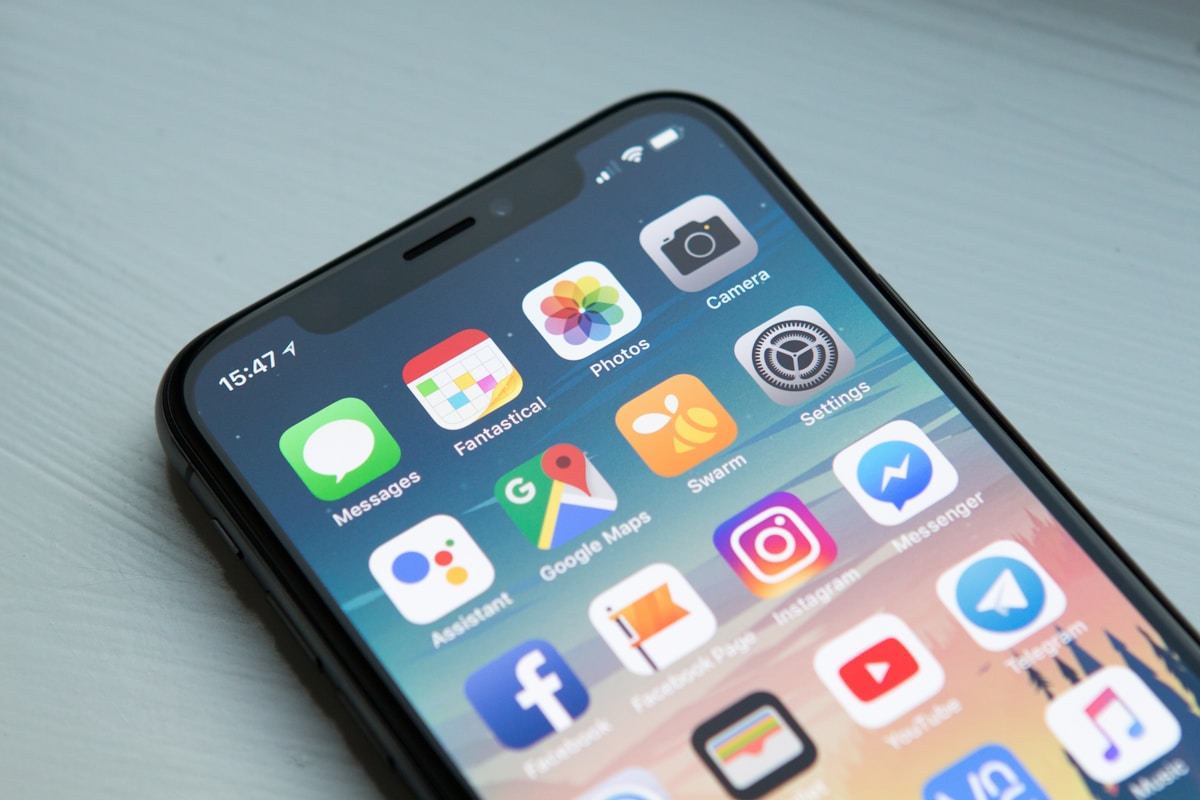
SMS marketing Nepal involves using text messages to promote products/services, engage customers, and drive sales for businesses in Nepal. It offers high open rates and direct communication, proving a strong ROI for Nepali SMEs.
The Unseen Powerhouse: Why SMS Marketing Nepal is Crucial for SMEs
In the dynamic landscape of digital marketing, many Nepali SMEs are actively exploring new avenues to connect with their customers. While social media and email marketing often steal the spotlight, the enduring effectiveness of SMS marketing Nepal remains a potent, and often underestimated, tool for driving tangible business growth. For Small and Medium Enterprises (SMEs) across cities like Kathmandu, Pokhara, and Biratnagar, understanding and leveraging the real-world Return on Investment (ROI) of SMS campaigns can be a game-changer. This isn't just about sending out generic blasts; it's about strategic communication that resonates, converts, and builds lasting customer loyalty, ultimately proving the significant SMS ROI for Nepali SMEs.
The sheer reach of mobile phones in Nepal is staggering. With a penetration rate exceeding 100% (many individuals own multiple SIM cards), SMS offers unparalleled access to a vast audience. Unlike email, which can get lost in crowded inboxes, or social media, which relies on algorithms and active engagement, an SMS message is delivered directly to a user's device and typically read within minutes. This immediacy is invaluable for time-sensitive offers, critical updates, and direct customer engagement, making SMS marketing Nepal a cornerstone for effective communication.
Quantifying SMS ROI: Metrics That Matter for Nepali SMEs
The concept of ROI can sometimes feel abstract, especially for businesses new to digital marketing. However, for SMS marketing Nepal, the metrics are often straightforward and directly attributable to campaign efforts. Calculating your SMS ROI involves comparing the revenue generated from SMS campaigns against the total cost of running those campaigns.
Key Metrics to Track:
- Delivery Rate: The percentage of messages successfully delivered to recipients. High delivery rates are crucial for any campaign's success.
- Open Rate: While harder to track precisely for SMS without specific platforms, assume a very high open rate due to the direct nature of the medium.
- Click-Through Rate (CTR): The percentage of recipients who clicked on a link within the SMS. This is vital for campaigns driving traffic to websites or landing pages.
- Conversion Rate: The percentage of recipients who completed a desired action (e.g., made a purchase, filled out a form) after clicking a link or responding to the SMS.
- Revenue Generated: Directly trackable sales or leads attributed to specific SMS campaigns.
- Cost Per Acquisition (CPA): The total cost of an SMS campaign divided by the number of new customers acquired through it.
For instance, a local boutique in Thamel, Kathmandu, might run an SMS campaign announcing a 20% discount on new arrivals. If the campaign costs NPR 5,000 (including the cost of SMS credits from providers like Sparrow SMS or others) and generates NPR 30,000 in sales directly attributed to the campaign (tracked via unique coupon codes or direct customer mentions), the ROI is substantial. The formula is simple: ((Revenue - Cost) / Cost) * 100. In this case, ((30,000 - 5,000) / 5,000) * 100 = 500% ROI.
Real-World Scenarios: SMS Marketing Nepal in Action
Let's explore how various Nepali SMEs can benefit from strategic SMS marketing Nepal:
Scenario 1: E-commerce & Retail
An online store based in Pokhara selling handmade crafts could utilize SMS for:
- Abandoned Cart Reminders: Sending a friendly reminder about items left in the cart, perhaps with a small discount code, can recover lost sales. Example: "Hi [Name], did you forget something? Your beautiful handcrafted vase is waiting! Use code SAVE5 for 5% off if you complete your order today. [link]"
- New Arrival Announcements: Quickly inform loyal customers about new products. "Exciting news! Our latest collection of Pashmina shawls has just arrived. Shop now: [link]"
- Flash Sales & Promotions: Drive immediate traffic and sales with time-limited offers. "FLASH SALE! Get 30% off all home decor items for the next 3 hours only! Shop: [link]"
These messages, sent via platforms that integrate with Nepali mobile networks (Nepal Telecom, Ncell), can yield high conversion rates, especially when personalized and targeted.
Scenario 2: Restaurants & Hospitality
A popular restaurant in Lalitpur could employ SMS for:
- Reservation Confirmations & Reminders: Reduce no-shows by sending automated confirmations and day-before reminders. "Your table for 2 at [Restaurant Name] is confirmed for [Date] at [Time]. We look forward to serving you!"
- Special Offers & Happy Hour Alerts: Encourage repeat business and off-peak visits. "Join us for Happy Hour! Enjoy 2-for-1 cocktails every Friday from 5-7 PM. See you soon!"
- Feedback Requests: Post-dining, request feedback to improve service. "We hope you enjoyed your meal! Please share your experience: [link to survey]"
The cost-effectiveness of SMS compared to other communication methods makes it ideal for the high-volume, low-margin nature of the food service industry.
Scenario 3: Service Providers (Salons, Gyms, Clinics)
A fitness center in Biratnagar could use SMS for:
- Appointment Reminders: Crucial for personal training sessions or classes. "Reminder: Your session with Coach Ramesh is scheduled for tomorrow at 7 AM. Please arrive 10 minutes early. [Gym Name]"
- Membership Renewal Alerts: Proactively notify members before their subscription expires. "Your gym membership expires in 7 days. Renew now to continue your fitness journey! [link]"
- Promotional Campaigns: Announce new classes, workshops, or special membership deals. "New Yoga Class starting next week! Limited spots available. Book yours: [link]"
The directness of SMS ensures these critical messages reach clients promptly, minimizing missed appointments and maximizing revenue.
Choosing the Right SMS Marketing Nepal Platform
Selecting the appropriate platform is key to maximizing your SMS ROI. For Nepali SMEs, several factors come into play:
Key Features to Look For:
- Bulk SMS Capabilities: Sending messages to large lists efficiently.
- Personalization Options: Using customer names, past purchase data, etc.
- Scheduling: Planning campaigns in advance for optimal delivery times.
- Analytics & Reporting: Tracking delivery rates, CTRs, and conversions.
- Integration: Compatibility with existing CRM or e-commerce platforms.
- Pricing & Support: Transparent pricing in NPR and reliable customer support.
Platforms like Sparrow SMS are well-established in Nepal and offer features tailored to the local market. Additionally, exploring options that integrate with local payment gateways like eSewa or Khalti for campaign promotions or subscription renewals can further enhance the customer experience and trackability. Ensure the provider complies with regulations set by the Nepal Telecommunications Authority (NTA) regarding bulk SMS services.
Navigating Regulations and Best Practices
Effective SMS marketing Nepal isn't just about sending messages; it's about doing so responsibly and ethically. Adhering to regulations and best practices ensures you maintain customer trust and avoid potential penalties.
NTA Guidelines & Opt-in/Opt-out:
The NTA has guidelines concerning unsolicited commercial communication. Always ensure you have explicit consent (opt-in) from customers before adding them to your SMS marketing list. This can be obtained through website sign-ups, in-store forms, or during the checkout process. Crucially, provide a clear and easy way for users to opt-out (e.g., replying with 'STOP' to any message). This is not just a regulatory requirement but a fundamental aspect of building a positive brand reputation.
Crafting Effective SMS Messages:
- Keep it Concise: SMS has character limits (typically 160 characters per message segment). Get straight to the point.
- Clear Call to Action (CTA): Tell recipients exactly what you want them to do (e.g., "Shop Now", "Book Today", "Learn More").
- Personalize: Use the customer's name or reference past interactions.
- Provide Value: Offer discounts, exclusive information, or useful updates.
- Trackable Links: Use URL shorteners with tracking capabilities to monitor clicks.
- Timing is Key: Send messages during reasonable hours and consider the best times for your specific audience. Avoid sending late at night or early in the morning.
The Future of SMS Marketing Nepal for SMEs
As mobile technology continues to evolve in Nepal, SMS marketing Nepal is likely to become even more integrated with other digital channels. Rich Communication Services (RCS) offer enhanced features like richer media and interactive buttons, though traditional SMS remains highly effective due to its universal compatibility. For Nepali SMEs, the focus should remain on leveraging SMS for its core strengths: directness, immediacy, and high reach. By focusing on delivering genuine value, respecting customer preferences, and meticulously tracking the SMS ROI, businesses can ensure this powerful channel continues to be a significant driver of growth and customer engagement.
In conclusion, SMS marketing Nepal is far from obsolete. When implemented strategically, it offers a demonstrably high SMS ROI for Nepali SMEs, providing a direct and effective way to connect with customers, drive sales, and build brand loyalty. The key lies in understanding your audience, crafting compelling messages, choosing the right platform, and consistently measuring the results.
Frequently Asked Questions
01What is the average cost of SMS marketing in Nepal for SMEs?
The cost varies by provider and volume, but Nepali SMEs can expect pricing typically ranging from NPR 0.50 to NPR 2.00 per SMS. Bulk SMS providers like Sparrow SMS often offer tiered pricing, with lower per-message costs for larger volumes. Many platforms also have setup fees or monthly subscriptions, so it's essential to compare packages.
02How can I measure the ROI of my SMS marketing campaigns in Nepal?
Calculate ROI by comparing the revenue generated directly from your SMS campaign (e.g., sales using promo codes) against the total cost of the campaign (platform fees, SMS credits). For example, if a campaign cost NPR 5,000 and generated NPR 25,000 in sales, the ROI is 400%.
03Are there specific regulations for SMS marketing in Nepal?
Yes, the Nepal Telecommunications Authority (NTA) oversees regulations. Key requirements include obtaining explicit customer consent (opt-in) before sending marketing messages and providing a clear opt-out mechanism (e.g., 'Reply STOP'). Businesses must also comply with privacy laws.
04Which SMS marketing platforms are popular among Nepali SMEs?
Popular platforms include Sparrow SMS, which is well-established in Nepal. Other international platforms might also be used, but local providers often offer better integration with Nepali mobile networks (Nepal Telecom, Ncell) and support for NPR pricing.
05Can I integrate SMS marketing with eSewa or Khalti for payments?
While direct integration for payment processing within an SMS might be complex, you can certainly use SMS to drive traffic to landing pages or websites where eSewa and Khalti are available payment options. Some advanced platforms may offer SMS-based payment links.
06What is the best time to send marketing SMS in Nepal?
Generally, avoid sending messages very early in the morning or late at night. Mid-morning (9 AM - 11 AM) and mid-afternoon (2 PM - 4 PM) on weekdays are often effective. However, test different times to see what resonates best with your specific target audience in Nepal.
07How can I personalize SMS messages for customers in Nepal?
Personalization involves using customer data. This can include addressing the customer by name, referencing past purchases, or sending birthday/anniversary greetings. Most SMS marketing platforms allow for dynamic content insertion using customer database fields.
08What are the key differences between SMS marketing and WhatsApp marketing in Nepal?
SMS marketing has near-universal reach on any mobile phone, regardless of smartphone ownership or internet access. WhatsApp marketing requires users to have the app installed and an internet connection. SMS is often perceived as more direct and urgent, while WhatsApp allows for richer media and more conversational interactions.
09How many SMS messages should I send to my customers in Nepal per month?
There's no single answer, but frequency is key. Avoid overwhelming customers. Start with 1-4 messages per month, focusing on high-value content like promotions or important updates. Monitor opt-out rates closely; a high rate indicates you might be sending too frequently.
10What kind of offers work best for SMS marketing in Nepal?
Time-sensitive discounts (e.g., '24-hour flash sale'), exclusive offers for SMS subscribers, event invitations, new product launch alerts, and loyalty program updates tend to perform well. Offering clear value and a strong call to action is crucial for driving engagement.