Beyond Broadcasts: Advanced SMS Personalization for Nepali Consumers
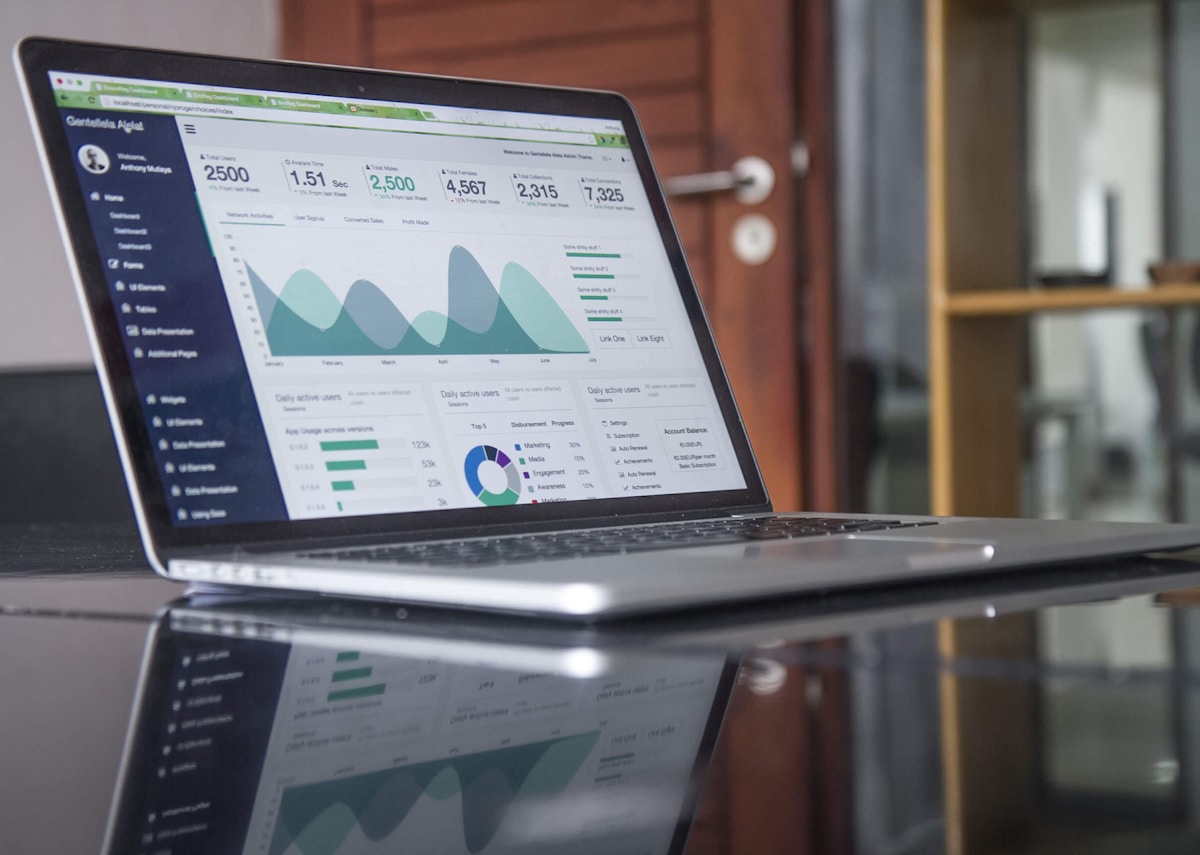
SMS personalization involves tailoring text messages to individual customers using their data, preferences, and behavior. In Nepal, this means crafting relevant, targeted SMS campaigns that go beyond generic broadcasts to enhance customer engagement and drive conversions.
The Evolution of SMS Marketing in Nepal
For years, SMS marketing in Nepal has been largely characterized by broadcast messages – generic promotions sent to vast lists of contacts. While this approach might have yielded some results in the past, the modern Nepali consumer is far more discerning. They expect more than just a blanket announcement; they crave relevance, value, and a sense of being understood. This is where SMS personalization comes into play, transforming a one-size-fits-all strategy into a powerful tool for building lasting customer relationships.
In a market as dynamic as Nepal's, understanding Nepal consumer behavior is paramount. Factors like rising smartphone penetration (estimated to be over 60% by 2023, according to the Nepal Telecommunications Authority - NTA), increased internet access, and the growing popularity of digital payment platforms like eSewa and Khalti have created fertile ground for sophisticated digital marketing. Nepali consumers are increasingly receptive to messages that acknowledge their preferences, past interactions, and specific needs. Simply blasting out the same offer to everyone is no longer effective; it can even be detrimental, leading to opt-outs and brand fatigue.
Why SMS Personalization Matters for Nepali Businesses
The shift towards SMS personalization isn't just a trend; it's a necessity for businesses operating in Nepal. Let's delve into why:
Boosting Customer Engagement
Generic SMS blasts are easily ignored. However, a message that starts with the customer's name, references a past purchase, or offers a discount tailored to their interests is far more likely to capture their attention. This level of personalization shows that a business values its customers and understands their individual needs. For a retail store in Kathmandu, sending a birthday discount to a loyal customer is far more impactful than a general sale announcement.
Improving Conversion Rates
Personalized messages resonate better, leading to higher open rates and click-through rates. When a customer receives an SMS that feels directly relevant to them, they are more inclined to act on it. For instance, an e-commerce platform in Pokhara could send an SMS about a flash sale on items a customer has previously browsed or added to their wishlist. This targeted approach significantly increases the likelihood of a purchase compared to a broad promotional message.
Enhancing Customer Loyalty
Building loyalty in the competitive Nepali market requires consistent, positive interactions. SMS personalization fosters a sense of connection. Imagine a restaurant in Biratnagar sending a personalized follow-up message after a customer's visit, perhaps with a special offer for their next meal based on their previous order. This kind of attention makes customers feel valued and encourages repeat business.
Data-Driven Marketing with Tailored Messages
The effectiveness of SMS personalization hinges on data. By collecting and analyzing customer data – purchase history, browsing behavior, demographics, and preferences – businesses can craft highly tailored messages. This data-driven approach allows for segmentation, enabling marketers to send specific campaigns to different customer groups, ensuring maximum relevance and impact.
Key Strategies for Advanced SMS Personalization in Nepal
Implementing advanced SMS personalization requires a strategic approach. Here are some effective methods:
1. Leveraging Customer Data for Segmentation
The foundation of personalization is understanding your audience. In Nepal, businesses can segment their customer base using various criteria:
- Demographics: Age, location (e.g., Kathmandu Valley vs. Terai regions), gender.
- Purchase History: Frequent buyers, high-value customers, buyers of specific product categories.
- Behavioral Data: Website browsing history, app usage, past campaign responses.
- Preferences: Explicitly stated interests (e.g., interest in electronics, fashion, or travel).
For example, a mobile service provider like Ncell or Nepal Telecom could segment users based on their data usage patterns and offer personalized data pack upgrades or discounts.
2. Dynamic Content Insertion
This is where messages go beyond just using a customer's name. Dynamic content allows you to insert specific details that change based on the recipient. This could include:
- Personalized Greetings: "Hi [Customer Name],"
- Product Recommendations: "Based on your interest in [Product Category], you might like [Recommended Product]."
- Location-Specific Offers: "Special discount at our [Kathmandu/Pokhara] store today!"
- Loyalty Program Updates: "Your points balance is [Points Balance]. Redeem for exciting rewards!"
Platforms like Sparrow SMS in Nepal often provide features to integrate such dynamic fields, making this process manageable.
3. Trigger-Based Messaging
Triggered SMS messages are sent automatically based on specific customer actions or events. These are highly effective because they are timely and relevant:
- Welcome Messages: Sent immediately after a customer signs up or makes their first purchase.
- Abandoned Cart Reminders: "Did you forget something? Your cart at [e-commerce site] still has [Item Name]."
- Post-Purchase Follow-ups: "Thank you for your purchase of [Product Name]! How was your experience?"
- Re-engagement Campaigns: For inactive customers, offering a special incentive to return.
For businesses integrating with digital wallets like eSewa or Khalti, these platforms can often provide APIs to trigger messages based on transaction events.
4. Personalized Promotions and Offers
Instead of generic discounts, tailor offers to individual preferences and purchase history:
- Birthday/Anniversary Specials: "Happy Birthday, [Name]! Enjoy 15% off your next purchase."
- Category-Specific Discounts: "As a valued customer interested in electronics, get 10% off all TVs this week."
- Loyalty Rewards: "Congratulations! You've unlocked a special tier. Enjoy exclusive benefits."
This level of personalization significantly increases the perceived value of the offer.
Implementing SMS Personalization in the Nepali Context
Navigating the landscape of SMS personalization in Nepal involves understanding local platforms, regulations, and consumer habits.
Choosing the Right SMS Gateway Provider
Selecting a reliable SMS gateway is crucial. In Nepal, providers like Sparrow SMS, Message Nepal, and others offer robust platforms that support personalization features. When choosing, consider:
- Features: Support for dynamic content, segmentation, API integration.
- Pricing: Compare per-message costs, setup fees, and bulk SMS packages. For example, packages might range from NPR 0.50 to NPR 1.50 per SMS depending on volume and features.
- Deliverability Rates: High deliverability ensures your messages reach recipients.
- Customer Support: Responsive support is vital for troubleshooting.
Many providers offer integrations with popular Nepali payment gateways like eSewa and Khalti, allowing for seamless transactions and data flow.
Adhering to NTA Regulations
The Nepal Telecommunications Authority (NTA) has regulations governing SMS communication. It's essential to:
- Obtain Consent: Always get explicit permission before sending marketing SMS.
- Provide Opt-Out Options: Include a clear way for recipients to unsubscribe (e.g., "Reply STOP to unsubscribe").
- Respect Privacy: Handle customer data responsibly and ethically.
Non-compliance can lead to penalties and damage brand reputation.
Integrating with Digital Payment Platforms
The widespread adoption of eSewa and Khalti presents a unique opportunity. Businesses can integrate their SMS marketing efforts with these platforms:
- Transaction Alerts: Send personalized confirmations or thank-you messages after a successful payment via eSewa or Khalti.
- Promotional Offers Linked to Payments: "Pay with Khalti and get an extra 5% off your order!"
- Loyalty Programs: Award loyalty points directly to a user's digital wallet for purchases made.
This synergy enhances the customer experience and provides valuable data for further personalization.
Measuring the Success of Your SMS Personalization Efforts
To ensure your SMS personalization strategy is effective, it's crucial to track key metrics:
- Open Rates: While not directly trackable for SMS, engagement metrics like response rates can indicate effectiveness.
- Click-Through Rates (CTR): If your SMS includes a link, track how many people click it. Personalized messages generally have higher CTRs.
- Conversion Rates: The ultimate measure – how many recipients completed the desired action (e.g., made a purchase, signed up).
- Opt-Out Rates: A high opt-out rate might indicate that your messages are not relevant or that consent wasn't properly managed.
- Customer Feedback: Directly ask customers about their experience with your SMS communications.
By analyzing these metrics, you can continuously refine your tailored messages and improve overall customer engagement.
The Future of SMS Personalization in Nepal
As technology advances and Nepal consumer behavior continues to evolve, SMS personalization will become even more sophisticated. We can expect deeper integration with AI for predictive personalization, more advanced segmentation based on real-time behavior, and a greater emphasis on conversational SMS marketing. Businesses that embrace these advancements and prioritize delivering relevant, personalized experiences will undoubtedly lead the way in Nepal's digital marketplace.
Ready to elevate your marketing? Explore how nepalfillings.com can help you implement powerful SMS personalization strategies to connect with your Nepali customers like never before. Visit us to learn more about our comprehensive email, SMS, WhatsApp, Telegram, and Messenger marketing solutions.
Frequently Asked Questions
01What is SMS personalization in the Nepali context?
SMS personalization in Nepal means tailoring text messages to individual customers by using their name, purchase history, preferences, or location. Instead of sending the same message to everyone, businesses create unique, relevant SMS content for different customer segments, enhancing engagement.
02How can I collect customer data for SMS personalization in Nepal?
You can collect data through website sign-ups, purchase forms, loyalty programs, customer surveys, and by analyzing past transaction data. For online businesses in Nepal, integrating data collection with platforms like eSewa or Khalti can also provide valuable insights.
03What are the costs associated with SMS personalization in Nepal?
Costs typically involve the SMS gateway provider's charges (e.g., NPR 0.50 - 1.50 per SMS), potentially higher for advanced features. There might also be costs for CRM or marketing automation software if needed for data management and campaign execution.
04Are there specific NTA regulations I need to follow for SMS marketing in Nepal?
Yes, the Nepal Telecommunications Authority (NTA) requires businesses to obtain explicit consent before sending marketing SMS and to provide a clear opt-out mechanism (e.g., 'Reply STOP'). Respecting customer privacy is paramount.
05Which SMS gateway providers are popular in Nepal for personalization?
Popular providers in Nepal that often support personalization features include Sparrow SMS, Message Nepal, and others. It's advisable to compare their features, pricing, and support for dynamic content and segmentation.
06How can I personalize SMS for customers in Kathmandu vs. Pokhara?
You can segment customers based on their registered address or past purchase locations. Then, send location-specific offers, event invitations, or store updates relevant to their city, like a special promotion at a Kathmandu outlet versus a Pokhara one.
07Can I use SMS personalization with eSewa and Khalti users?
Absolutely. You can trigger personalized thank-you messages or offer discounts to users who complete transactions via eSewa or Khalti. Integrating your SMS platform with these payment gateways allows for seamless communication based on payment events.
08What is a trigger-based SMS message in Nepal?
Trigger-based SMS messages are automated messages sent in response to a specific customer action, like a welcome SMS after signup, an abandoned cart reminder, or a post-purchase feedback request. They are highly relevant and timely for the Nepali consumer.
09How does SMS personalization improve customer loyalty in Nepal?
By sending personalized birthday wishes, loyalty rewards, or exclusive offers based on past behavior, businesses make customers feel valued and understood. This fosters a stronger connection, encouraging repeat purchases and long-term loyalty in the competitive Nepali market.
10What metrics should I track for SMS personalization success in Nepal?
Track Click-Through Rates (CTR) on links, Conversion Rates (e.g., purchases), Response Rates, and Opt-Out Rates. Analyzing these metrics helps refine your strategy for better customer engagement and campaign effectiveness.