AI in Email Marketing: Predicting Nepali Customer Needs with Precision
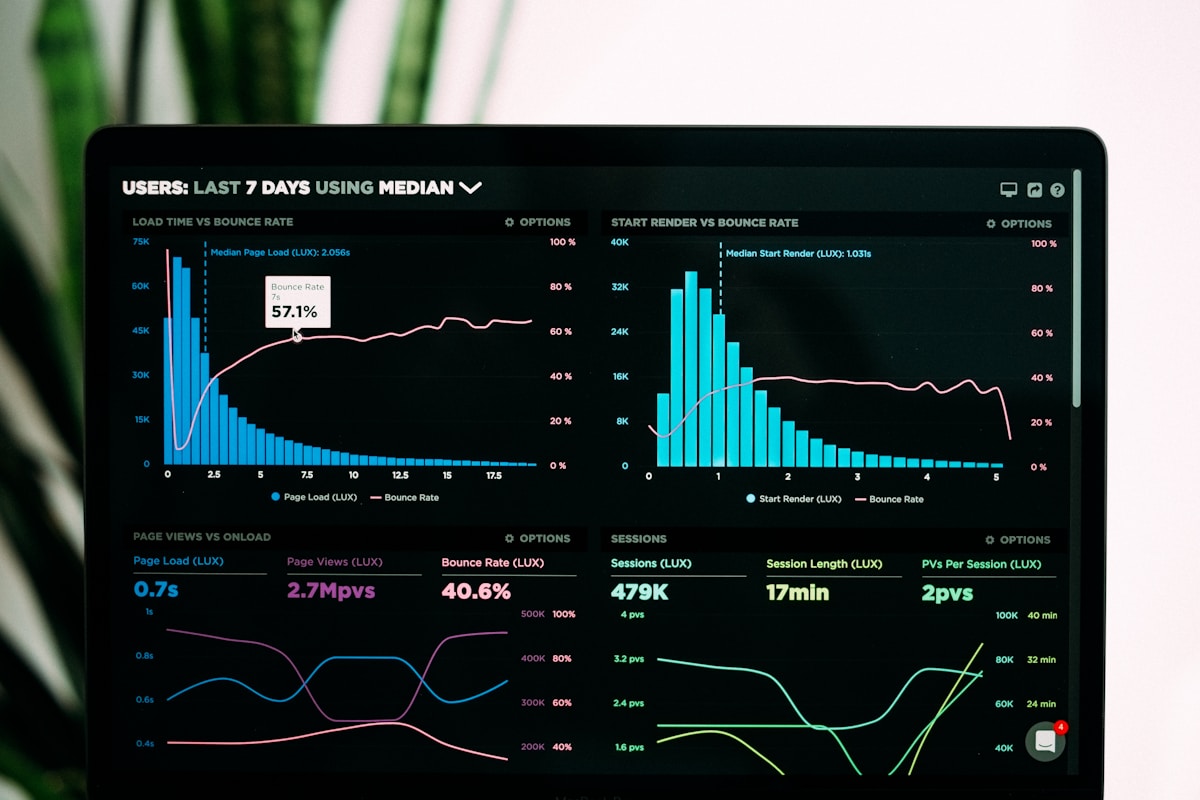
AI in email marketing uses artificial intelligence and predictive analytics to understand and anticipate customer needs, enabling highly personalized and effective email campaigns. For Nepal marketers, this means delivering the right message to the right person at the right time.
Correction, 16 September 2026: An earlier version of this article described Nepal Fillings as offering or integrating the official WhatsApp Business API. It does not. Nepal Fillings sends WhatsApp messages from a number you link by QR code, through an unofficial connection, not Meta's WhatsApp Business API. How each channel works
The Dawn of Intelligent Outreach: AI in Email Marketing in Nepal
In the rapidly evolving digital landscape of Nepal, businesses are constantly seeking innovative ways to connect with their customers. AI in email marketing is no longer a futuristic concept; it's a present-day reality that empowers Nepali businesses to understand and anticipate customer needs with unprecedented precision. Gone are the days of generic email blasts. Today, artificial intelligence allows for hyper-personalized campaigns, leading to higher engagement rates, improved conversion, and ultimately, stronger customer loyalty. For Nepal marketers, embracing AI is becoming a critical differentiator.
Understanding the Power of Predictive Analytics in Nepal
At its core, AI in email marketing leverages predictive analytics to sift through vast amounts of customer data. This data can include past purchase history, website browsing behavior, email engagement patterns, demographic information, and even social media interactions. By analyzing these patterns, AI algorithms can predict future customer actions and preferences. Imagine a clothing retailer in Kathmandu sending a targeted email about a new winter collection to customers who previously bought heavy jackets, or a travel agency in Pokhara offering a trekking package to individuals who recently searched for Annapurna Circuit tours. This level of personalization, driven by predictive analytics, significantly increases the relevance and effectiveness of email campaigns.
How AI Enhances Data Analysis for Nepali Businesses
Nepali businesses, from SMEs in Biratnagar to larger corporations in Kathmandu, often struggle with managing and interpreting customer data. AI tools can automate this process, identifying key trends and customer segments that might otherwise go unnoticed. This means even smaller businesses can gain sophisticated insights without needing a dedicated data science team. For instance, an e-commerce platform can use AI to identify customers likely to churn and proactively send them a special offer to retain them.
Predicting Purchase Intent and Lifetime Value
One of the most powerful applications of AI in email marketing is its ability to predict purchase intent. AI can identify subtle signals that indicate a customer is ready to buy. Furthermore, it can estimate a customer's lifetime value (CLV), allowing businesses to prioritize their marketing efforts towards their most valuable customers. A service provider in Nepal might use this to offer premium support or exclusive deals to high-CLV clients.
Key AI Applications Revolutionizing Email Marketing in Nepal
1. Hyper-Personalization at Scale
AI in email marketing excels at delivering personalized content. It goes beyond just using a customer's name. AI can tailor subject lines, email body content, product recommendations, and even send times based on individual user behavior and preferences. For a Nepali online bookstore, this could mean recommending books based on a user's reading history, genre preferences, and even the time of day they are most likely to open emails.
2. Predictive Lead Scoring
Not all leads are created equal. AI can analyze lead behavior and engagement to assign a score, indicating their likelihood to convert. This allows sales and marketing teams in Nepal to focus their efforts on the most promising leads, optimizing resource allocation. For a real estate company in Lalitpur, AI can identify which inquiries are most likely to result in a property sale.
3. Automated Campaign Optimization
AI algorithms can continuously monitor campaign performance and make real-time adjustments to improve results. This includes optimizing subject lines for open rates, adjusting call-to-action buttons for click-through rates, and refining audience segmentation. Platforms like nepalfillings.com integrate AI to automate A/B testing and optimize send times for maximum impact across different customer segments in Nepal.
4. Enhanced Customer Segmentation
Traditional segmentation can be static. AI enables dynamic segmentation based on real-time behavior and predicted future actions. This allows for much more granular targeting. For example, an airline operating in Nepal could segment passengers not just by destination, but by their likelihood to book ancillary services like baggage upgrades or lounge access.
5. Churn Prediction and Prevention
Customer retention is often more cost-effective than acquisition. AI can identify customers who are at risk of leaving (churning) by analyzing patterns in their engagement, purchase frequency, and support interactions. Once identified, businesses can trigger targeted retention campaigns, perhaps offering a discount or personalized support, to keep them engaged. A telecommunications company in Nepal could use this to prevent subscribers from switching to competitors.
Implementing AI in Email Marketing: A Practical Guide for Nepal Marketers
Choosing the Right AI Tools
The market offers a variety of AI-powered email marketing platforms. When selecting a tool for your Nepali business, consider factors such as:
- Integration Capabilities: Does it integrate with your existing CRM, e-commerce platform (like Daraz Nepal), or payment gateways (eSewa, Khalti)?
- Ease of Use: Is the interface intuitive for your marketing team?
- Features: Does it offer the specific AI functionalities you need, such as predictive analytics, personalization, and automation?
- Pricing: Does it fit your budget? Many platforms offer tiered pricing based on contact list size and features, with options starting from a few thousand NPR per month for basic services.
- Support: Is reliable customer support available, especially for Nepali businesses?
Platforms like nepalfillings.com are specifically designed for the Nepali market, offering integrated solutions for Email, SMS, WhatsApp, and Telegram marketing, with AI-driven features to enhance campaign effectiveness.
Data Quality and Management
AI is only as good as the data it's fed. Ensuring clean, accurate, and relevant data is crucial. This involves regular data hygiene practices, consolidating data from various touchpoints, and adhering to privacy regulations. For Nepali businesses, this also means being mindful of the National Information Technology Policy and data protection guidelines.
Ethical Considerations and Transparency
While AI offers powerful capabilities, it's essential to use it ethically. Transparency about data usage and providing clear opt-out options are paramount. Avoid overly intrusive personalization that might feel creepy to customers. The goal is to enhance the customer experience, not to exploit data.
Starting Small and Iterating
You don't need to implement all AI features at once. Start with a specific goal, such as improving open rates through AI-powered subject line optimization or personalizing product recommendations. Measure the results, learn from them, and gradually expand your AI implementation. This iterative approach allows businesses in Nepal to adapt and grow with the technology.
Real-World Scenarios: AI in Action for Nepali Businesses
Scenario 1: Kathmandu E-commerce Store
A Kathmandu-based online fashion retailer uses AI in email marketing to analyze customer browsing history and purchase data. The AI identifies a segment of customers who frequently browse traditional Nepali attire but haven't purchased recently. The system automatically triggers a personalized email campaign showcasing new arrivals in ethnic wear, complete with styling suggestions and a limited-time discount code. Open rates increase by 25%, and click-through rates on product links jump by 40% compared to previous generic campaigns.
Scenario 2: Pokhara Adventure Tour Operator
A tour operator in Pokhara utilizes AI to predict which past clients are most likely to book another adventure trip. By analyzing past booking patterns, travel dates, and expressed interests (e.g., through website forms), the AI identifies individuals likely interested in trekking during the upcoming shoulder season. These customers receive highly personalized emails featuring relevant trekking packages, including tailored itineraries and early-bird booking offers. This results in a 30% increase in repeat bookings and a significant boost in tour operator revenue.
Scenario 3: Biratnagar FMCG Distributor
A Fast-Moving Consumer Goods distributor in Biratnagar uses AI to optimize promotional email campaigns to retailers. The AI analyzes sales data, inventory levels, and past promotional responses to predict which retailers are most likely to respond positively to specific product offers. Instead of a blanket promotion, AI enables targeted emails with relevant product bundles and discounts, leading to a 15% increase in sales for promoted items and a reduction in marketing waste.
The Future of AI in Email Marketing in Nepal
As AI technology continues to advance, its role in email marketing will only grow. We can expect even more sophisticated predictive capabilities, deeper levels of personalization, and seamless integration with other marketing channels like SMS and WhatsApp, especially on platforms designed for the Nepali market. For Nepal marketers, staying abreast of these developments and strategically adopting AI tools will be key to maintaining a competitive edge and building lasting relationships with Nepali consumers.
The journey towards mastering ai email marketing in Nepal is ongoing. By embracing predictive analytics and focusing on genuine customer needs, businesses can unlock a new era of effective and engaging communication.
Frequently Asked Questions
01What is AI in email marketing specifically for the Nepali market?
For Nepal, AI in email marketing refers to using artificial intelligence technologies to analyze customer data specific to the Nepali context. This includes understanding local buying habits, preferences influenced by Nepali culture, and utilizing local platforms like eSewa or Khalti for transactions, to send highly relevant and personalized email campaigns.
02How can small businesses in Nepal benefit from AI email marketing?
Small businesses in Nepal can benefit by automating tasks like customer segmentation and personalization, which were previously resource-intensive. AI tools can help them compete by understanding customer needs better, optimizing marketing spend, and improving conversion rates without requiring a large marketing team.
03What are the main challenges for implementing AI email marketing in Nepal?
Challenges include the availability of quality, localized data, the cost of advanced AI tools (though many platforms offer affordable options), ensuring data privacy compliance with Nepali regulations, and the need for digital literacy among marketing teams to effectively utilize these technologies.
04How does AI help in personalizing emails for Nepali customers?
AI analyzes individual customer behavior, purchase history, and engagement patterns within the Nepali market. It then tailors email content, product recommendations, subject lines, and even send times to match each customer's unique preferences and predicted needs, going beyond basic name personalization.
05Can AI predict which products Nepali customers will buy next?
Yes, through predictive analytics, AI can analyze past purchase data, browsing behavior, and market trends specific to Nepal to forecast future purchasing decisions. This allows businesses to proactively promote relevant products or services to individual customers.
06What kind of data is needed for effective AI email marketing in Nepal?
Essential data includes customer demographics, purchase history, website interactions (clicks, views), email engagement (opens, clicks), transaction data from platforms like eSewa/Khalti, and customer service interactions. Data quality and relevance to the Nepali market are key.
07Are there AI email marketing platforms tailored for Nepal?
While global platforms exist, services like nepalfillings.com are integrating AI features specifically designed for the Nepali market, offering combined Email, SMS, and WhatsApp marketing with local insights and integrations, making AI more accessible.
08How does AI help optimize email send times for Nepali audiences?
AI analyzes when individual subscribers in Nepal are most likely to open and engage with emails based on their past behavior. It then schedules the delivery of emails to these optimal times for each subscriber, significantly increasing open and click-through rates.
09What are the ethical considerations when using AI for email marketing in Nepal?
Ethical use involves transparency about data collection and usage, obtaining clear consent, providing easy opt-out options, and avoiding intrusive personalization. Respecting customer privacy and adhering to Nepal's data protection laws are paramount.
10How can AI help segment customers more effectively in Nepal?
AI goes beyond basic demographics to create dynamic segments based on predicted behavior, lifetime value, and engagement levels. This allows Nepali marketers to target niche groups with highly relevant messages, improving campaign ROI compared to broad segmentation.